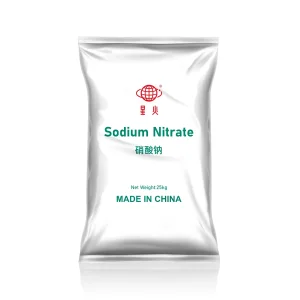
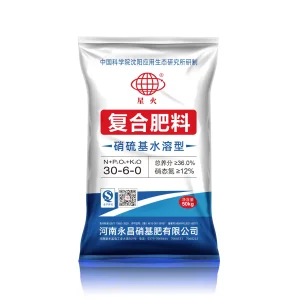
Engineered chemicals utilizing high-purity nitrogen structures to optimize textile processing, dyeing efficiency, and functional finishes.
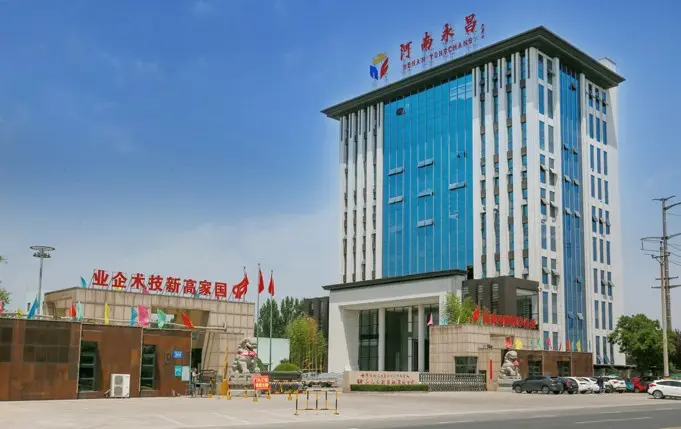
Founded in 1974, Henan Yongchang Nitro Fertilizer has evolved over half a century from a regional chemical venture into a modern industrial titan, generating an annual capacity exceeding one million metric tons. Our highly integrated chemical matrix spans basic raw synthesis, precision metal salt crystallization, and customized industrial chemical formulation.
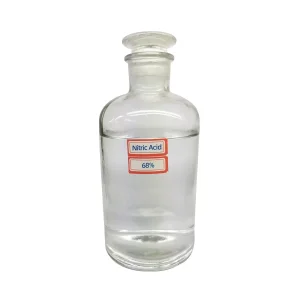
Our upstream capacity features an annual production of 500,000 tons of dilute nitric acid and 300,000 tons of concentrated nitric acid. This robust upstream synthesis forms the raw material foundation of our 300,000 tons of nitro-based chemical products and 100,000 tons of specialized industrial and agricultural compound formulations. Operating at this scale allows us to control the cost structure, purity, and supply consistency of vital chemicals needed in modern global textile wet-processing plants.
Analyzing the critical parameters procurement officers and chemical engineers prioritize when evaluating high-volume chemical suppliers.
Textile finishing demands chemicals with minimal heavy metal profiles to prevent catalysis failures, color degradation, or toxicity non-compliance. Our production utilizes multi-stage filtration and crystallization processes to guarantee minimal impurities in nitrate and nitrite matrices.
Compliance with global frameworks such as REACH, ZDHC (Zero Discharge of Hazardous Chemicals), and OEKO-TEX Standard 100 is non-negotiable. Sourcing teams prioritize manufacturers with robust, audited eco-toxicological data sheets.
Many nitrogen chemicals, particularly Concentrated Nitric Acid (Class 8 Corrosive) and Nitrate Salts (Class 5.1 Oxidizers), require strict packaging, handling, and ocean shipping compliance. ISO tank container shipping and certified UN-rated packaging ensure safe arrival at mill terminals.
From pre-treatment to wastewater purification, here is how our inorganic chemistry portfolio drives efficiency across the textile processing chain.
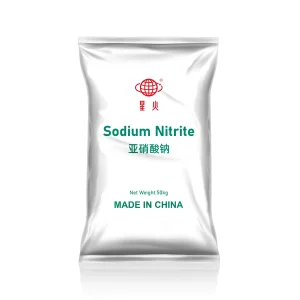
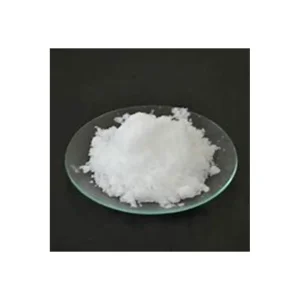
Sodium Nitrite acts as a primary reagent in the synthesis of azo dyes. In direct printing and continuous dyeing operations, it is critical for creating stable diazonium compounds, allowing clean, bright dye precipitation on synthetic and natural fibers.
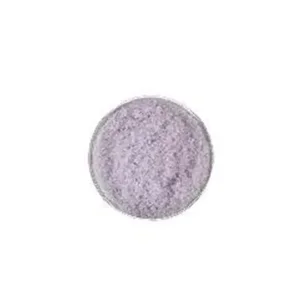
Aluminum Nitrate, Ferric Nitrate, and other multivalent metal salts act as structural mordants. The trivalent metal ions ($Al^{3+}, Fe^{3+}$) form coordination complexes with dye molecules and cellulose/protein fibers, significantly improving wash fastness and color retention.
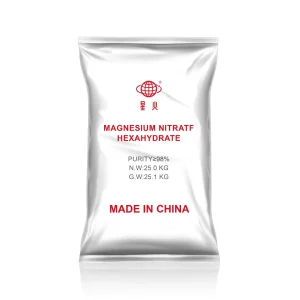
Zinc Nitrate and Magnesium Nitrate serve as highly active catalyst systems for the cross-linking of resin finishes on cotton fabrics, providing wrinkle-free and wash-and-wear finishes without degrading fiber tensile strength.
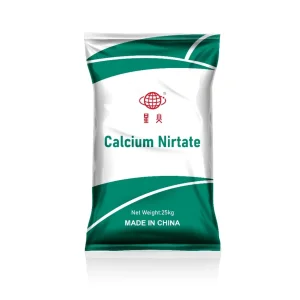
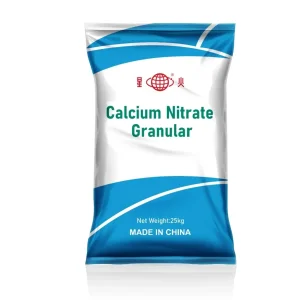
Biological denitrification of textile dye wastewater requires reliable nitrogen and carbon sources to balance microbial action. Our high-solubility Calcium Nitrate and Urea Solutions aid in bio-denitrification stages, accelerating chemical oxygen demand (COD) removal.
Guided by our National-Level R&D Center, we continuously push the boundaries of chemical synthesis efficiency and clean production.
Our proprietary dual-pressure nitric acid process significantly improves nitrogen absorption efficiency while drastically reducing tail-gas NOx concentrations. This ensures clean, energy-efficient operations that feed high-concentration raw material directly to our salt synthesis lines.
To eliminate unwanted heavy metal contaminants (such as lead, arsenic, and cadmium), our crystallization units implement multi-stage mechanical vapor recompression (MVR) and continuous cooling crystallizers. This allows us to achieve chemical purity levels suitable for sensitive electronic, industrial, and textile catalyst grades.
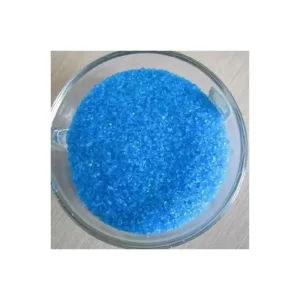
Formulating customized metal nitrates (like Copper Nitrate, Nickel Nitrate, and Zinc Nitrate) demands stable catalysts and high-purity nitric acid reaction blocks. Our proprietary synthesis route prevents crystallization clumping, ensuring fast dissolution rates in water-based textile finishing baths.

Proprietary Dual-Pressure Nitric Acid Process reduces energy consumption. Top 3 global production scale.

Pioneered nitrogen-phosphorus delayed-release technology, boosting raw chemical transformation rates.

100+ customized chemical formulas. Full-cycle service ecosystem from soil validation to high-grade industrial output.
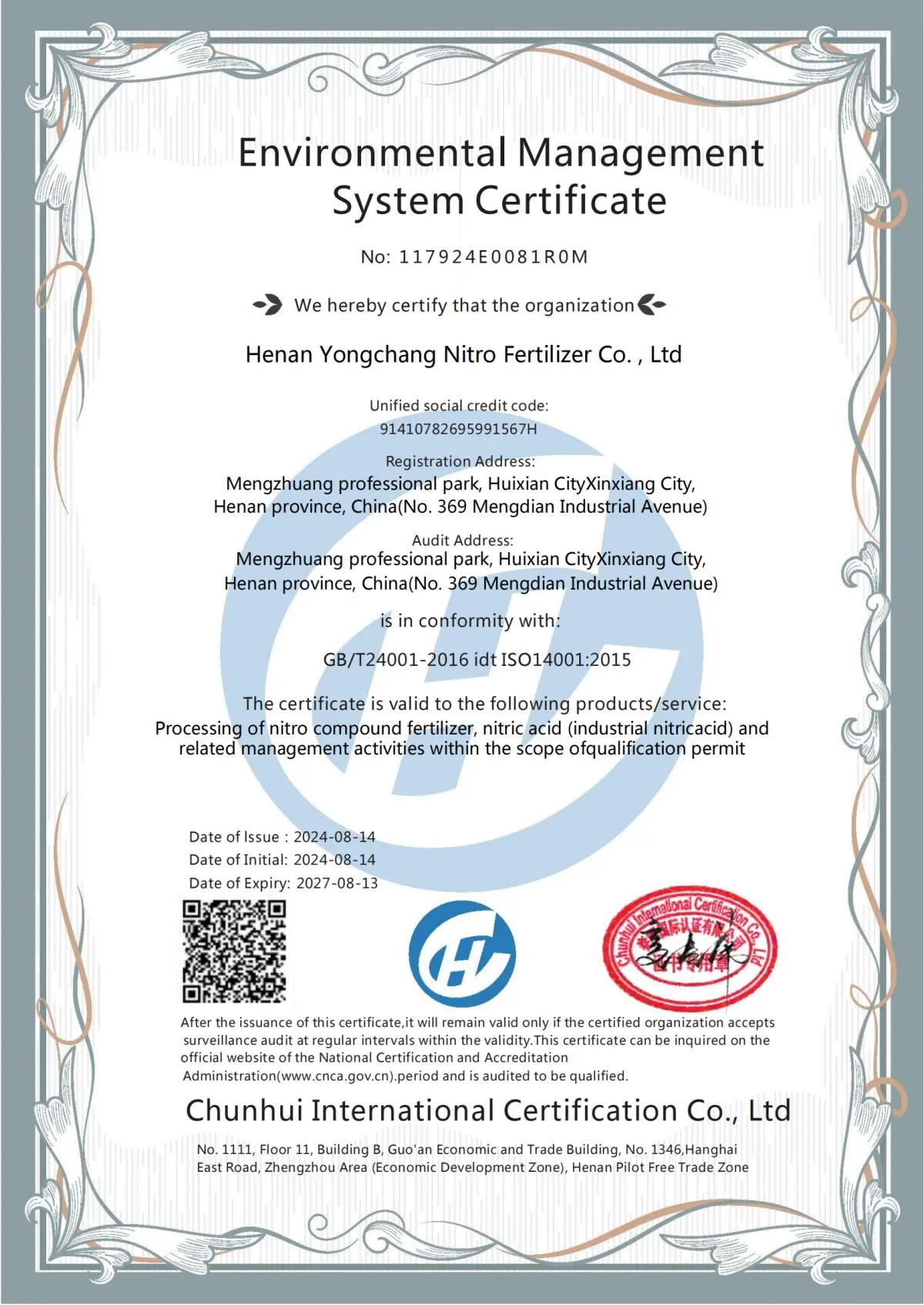
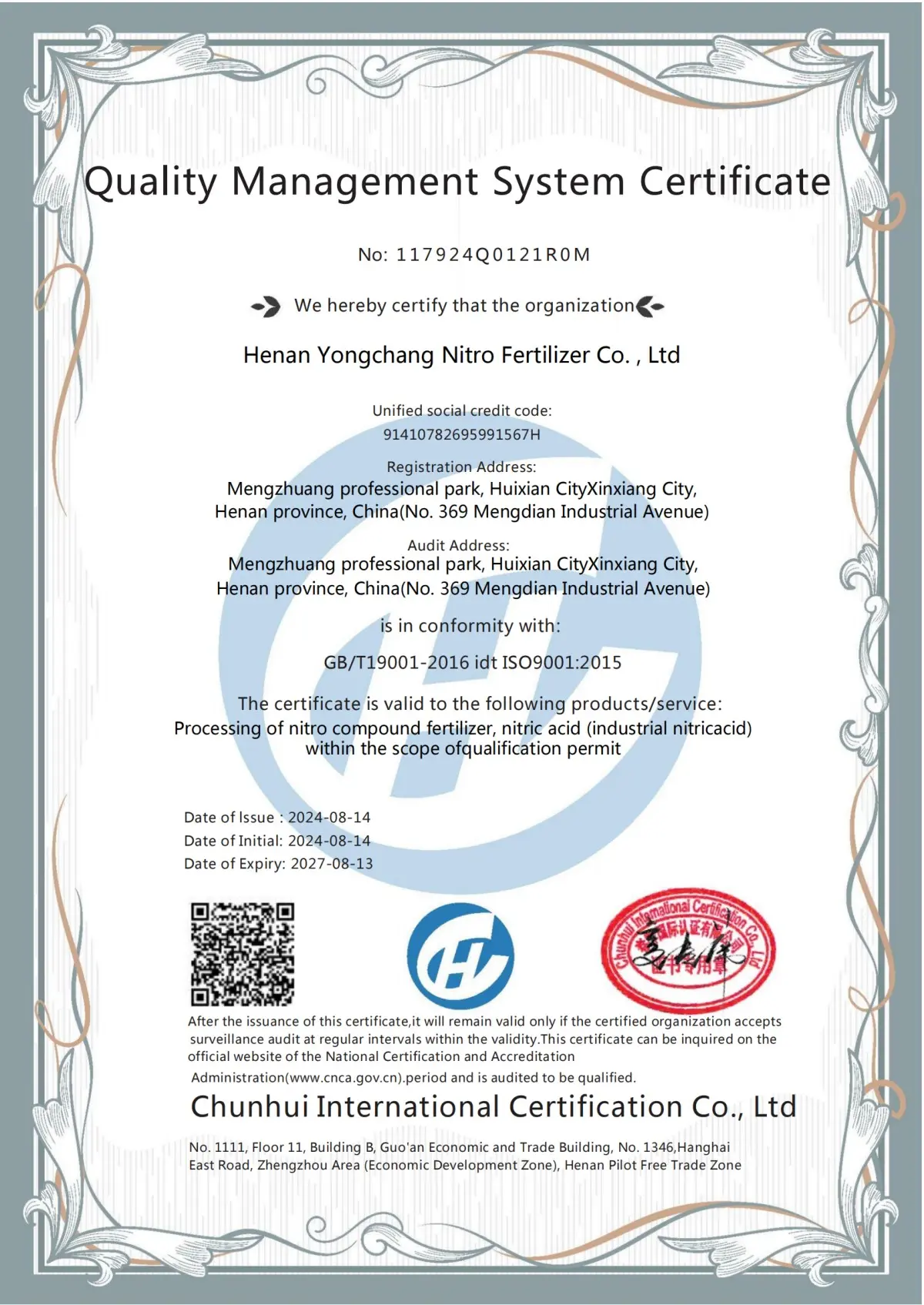
Operating a global supply chain requires robust international standardizations. To guarantee quality and safety across jurisdictions, Henan Yongchang is fully certified under ISO 9001, ISO 14001, and FAMI-QS standards.
Our localized service strategy is backed by deep logistics coordination. We deploy specialized dangerous goods containers, coordinate custom blending setups for bulk clients, and manage compliance protocols to key destinations in Europe, North America, Southeast Asia, and Latin America.


Embracing the "Dual-Circulation" development paradigm, Henan Yongchang is actively upgrading its infrastructure to meet tomorrow's ecological demands. Our roadmap is driven by two main pillars:
▶ Digital Factory Integration: A complete smart-factory upgrade to optimize reactor parameters, prevent heat loss, and eliminate process variance.
▶ Green Nitric Acid Synthesis: Implementing advanced catalyst layers within ammonia burner units, aiming to achieve a 30% carbon footprint reduction by 2025.
By blending traditional manufacturing scale with modern control systems, we provide global partners with chemicals that meet strict cost targets and ESG frameworks.
A visual insight into our advanced chemical reactors, storage tanks, transport systems, and global distribution facilities.
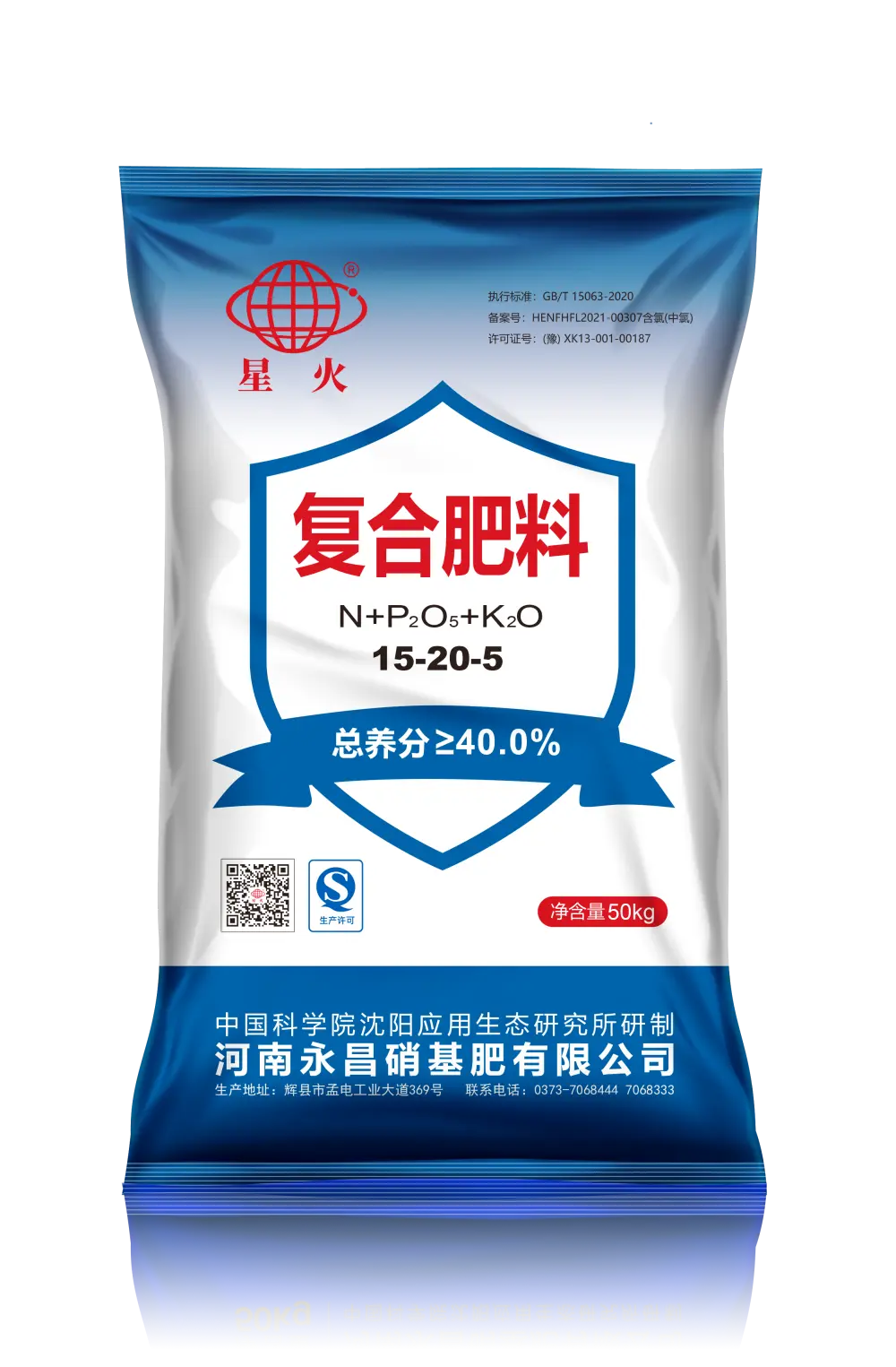
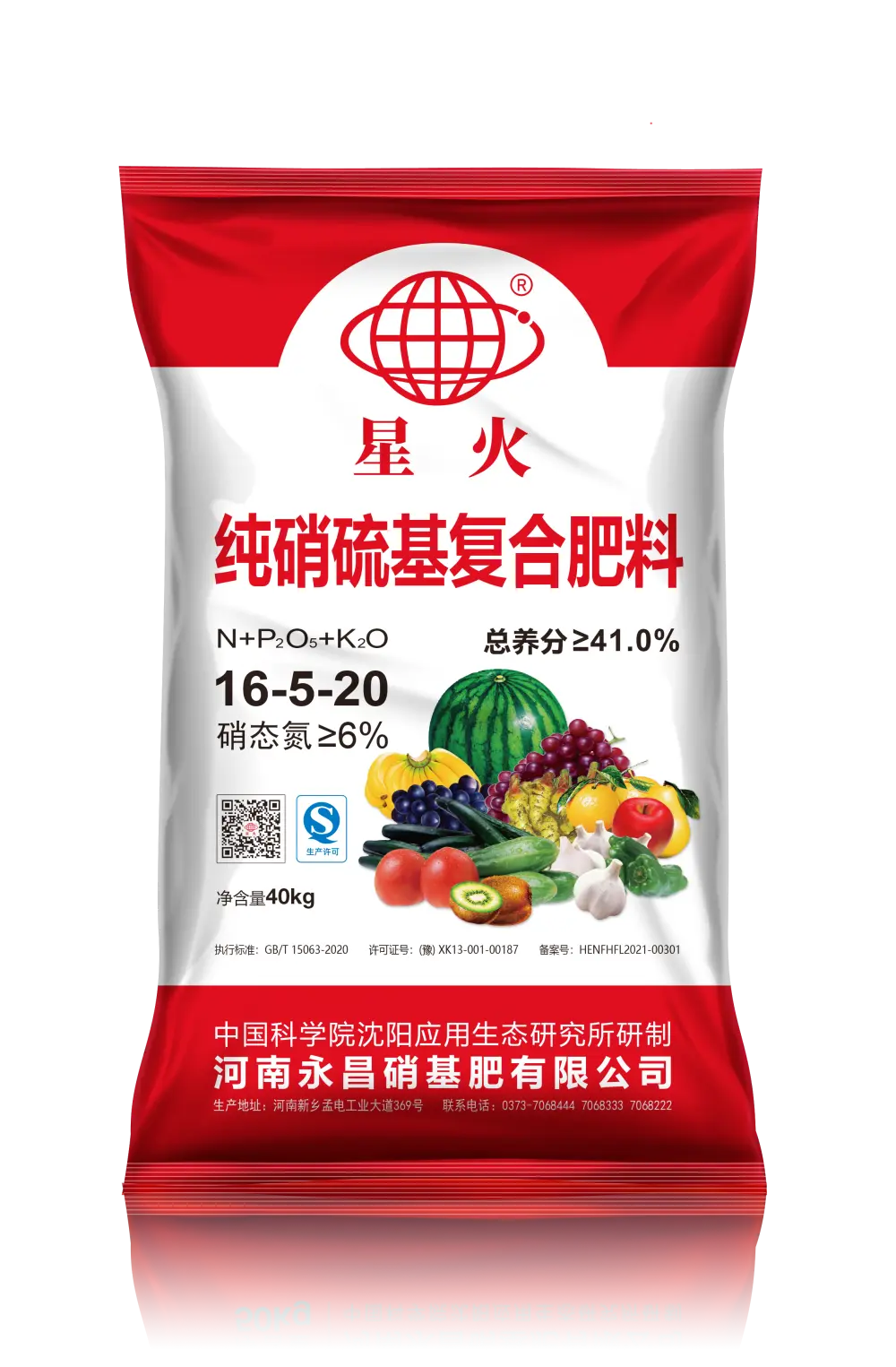
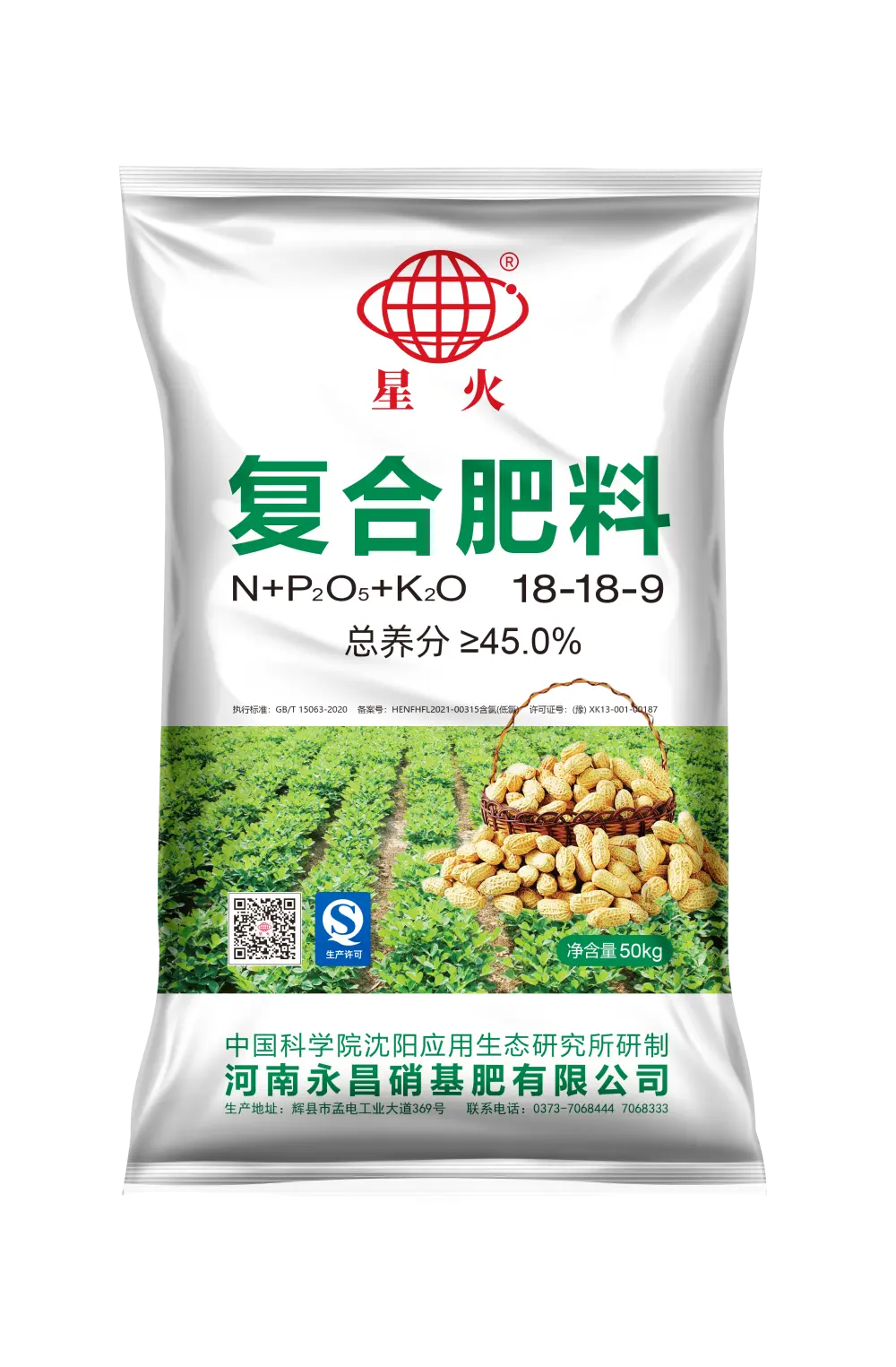
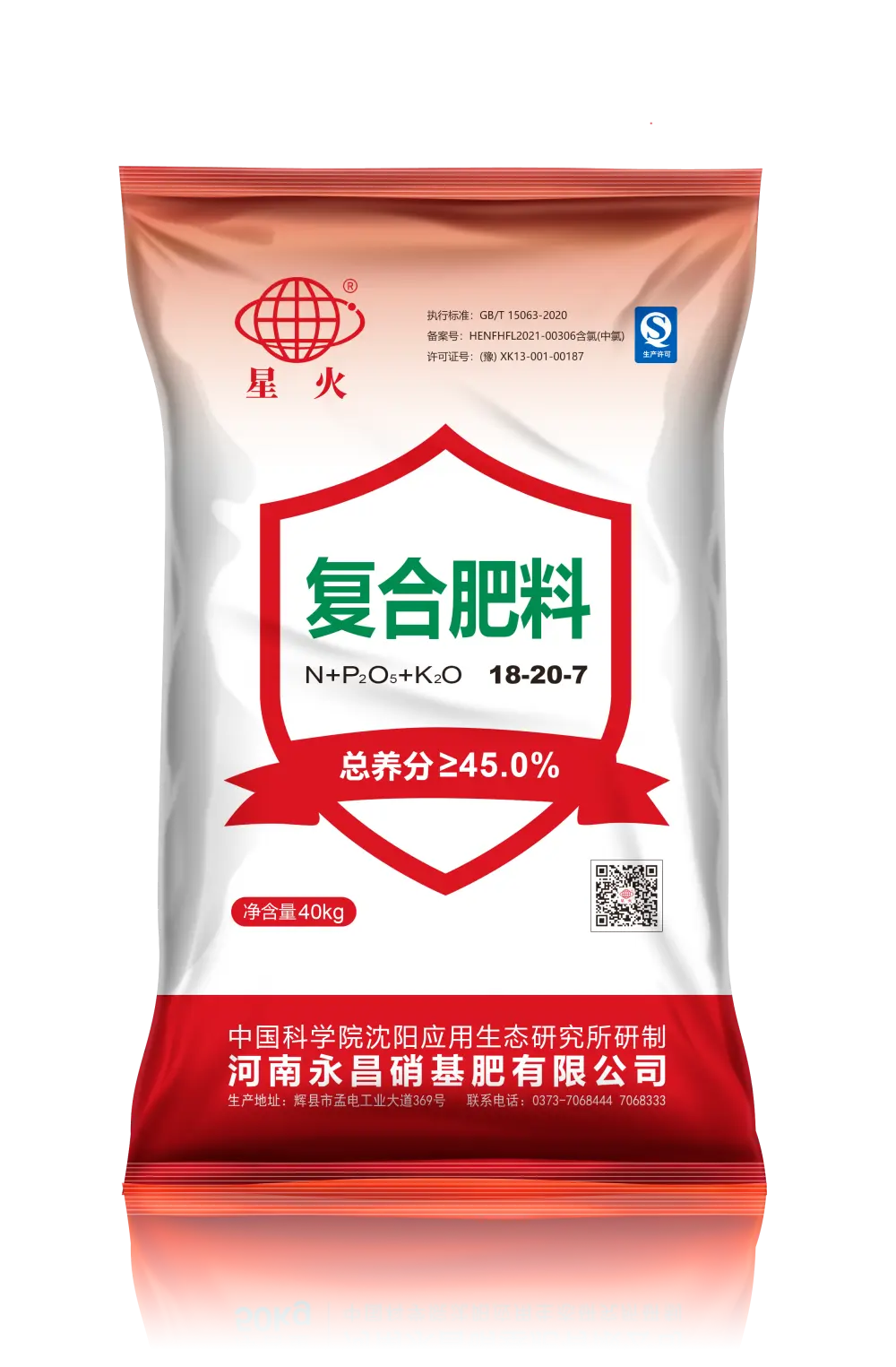
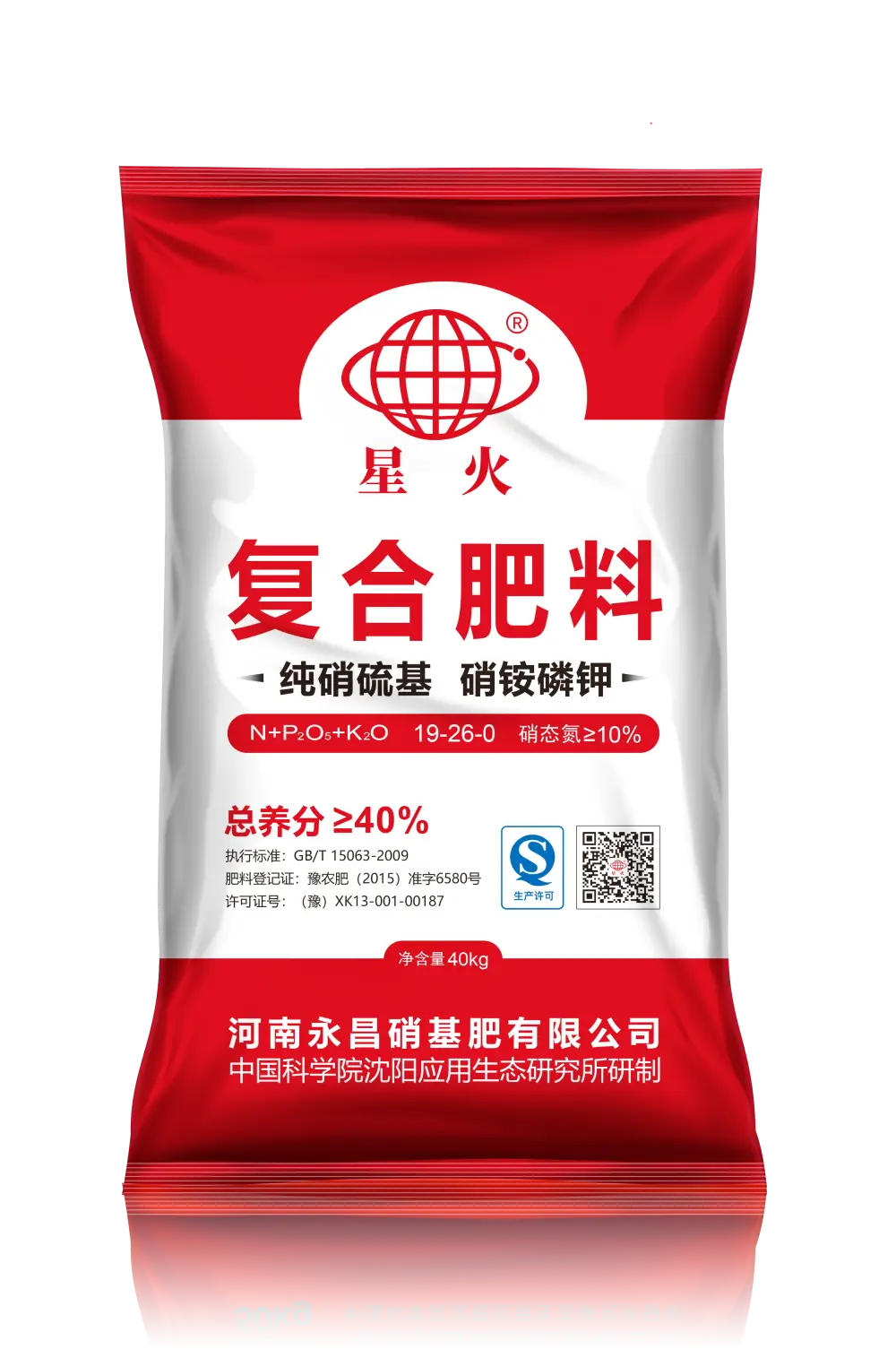
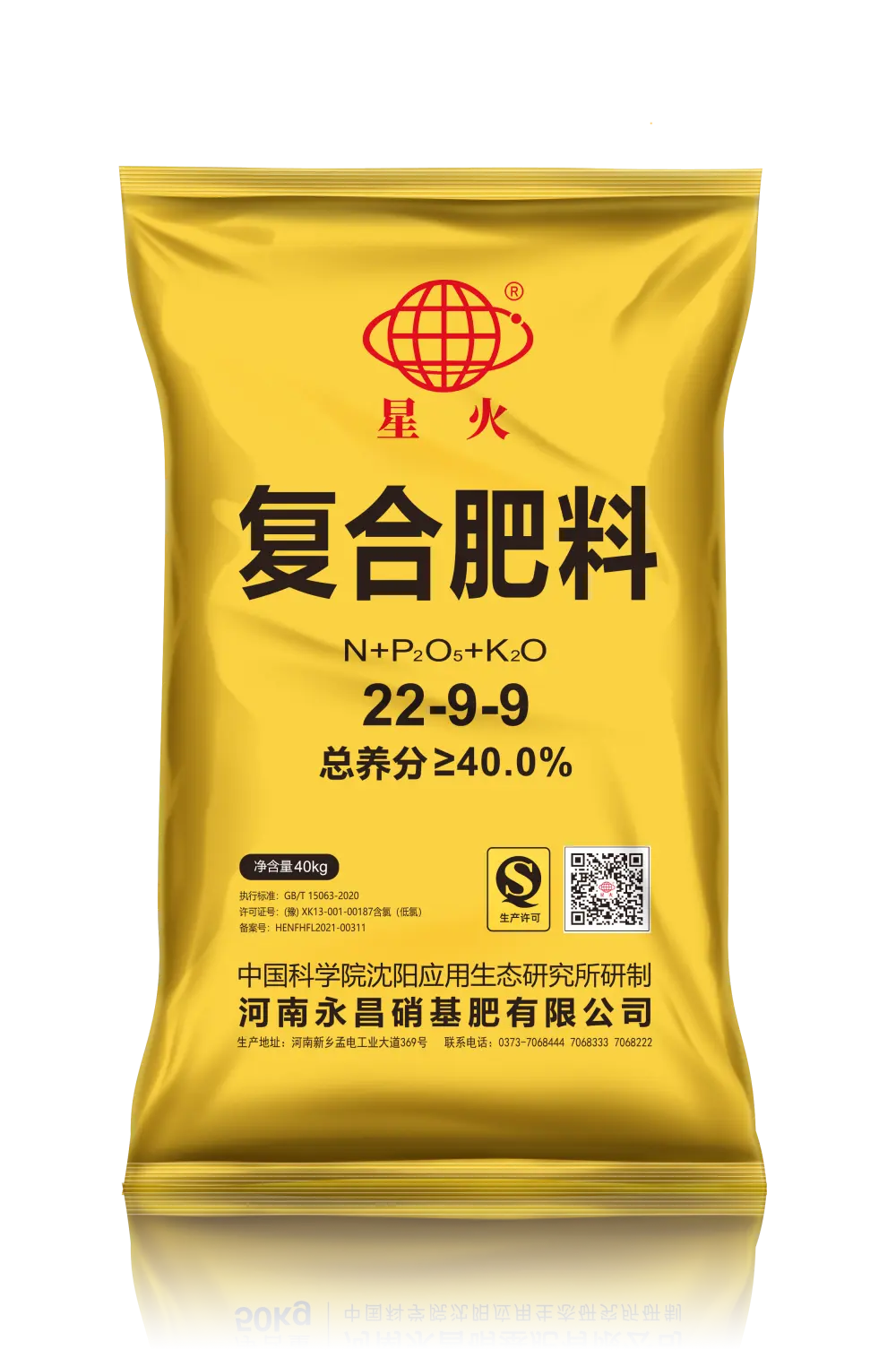
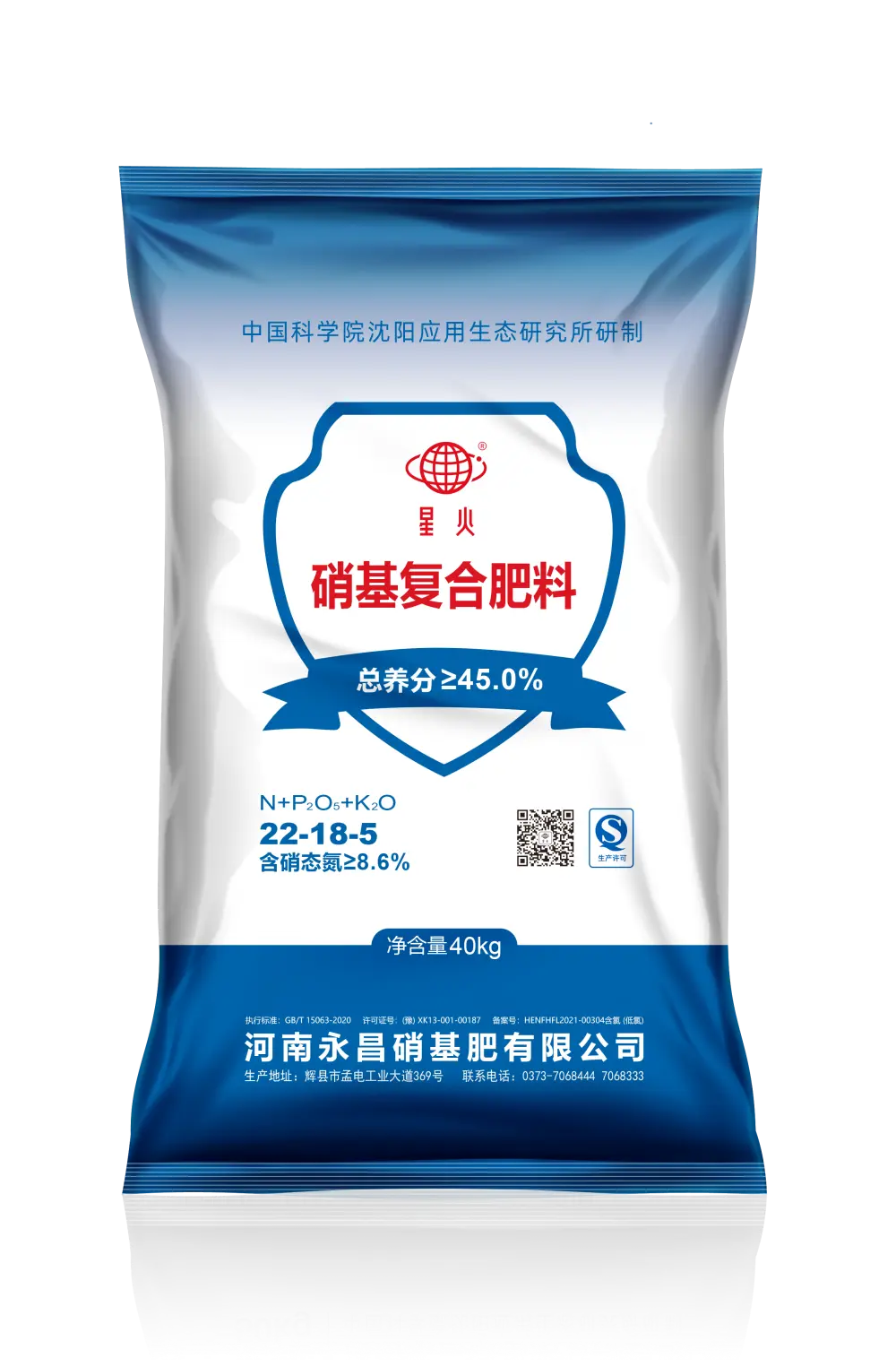
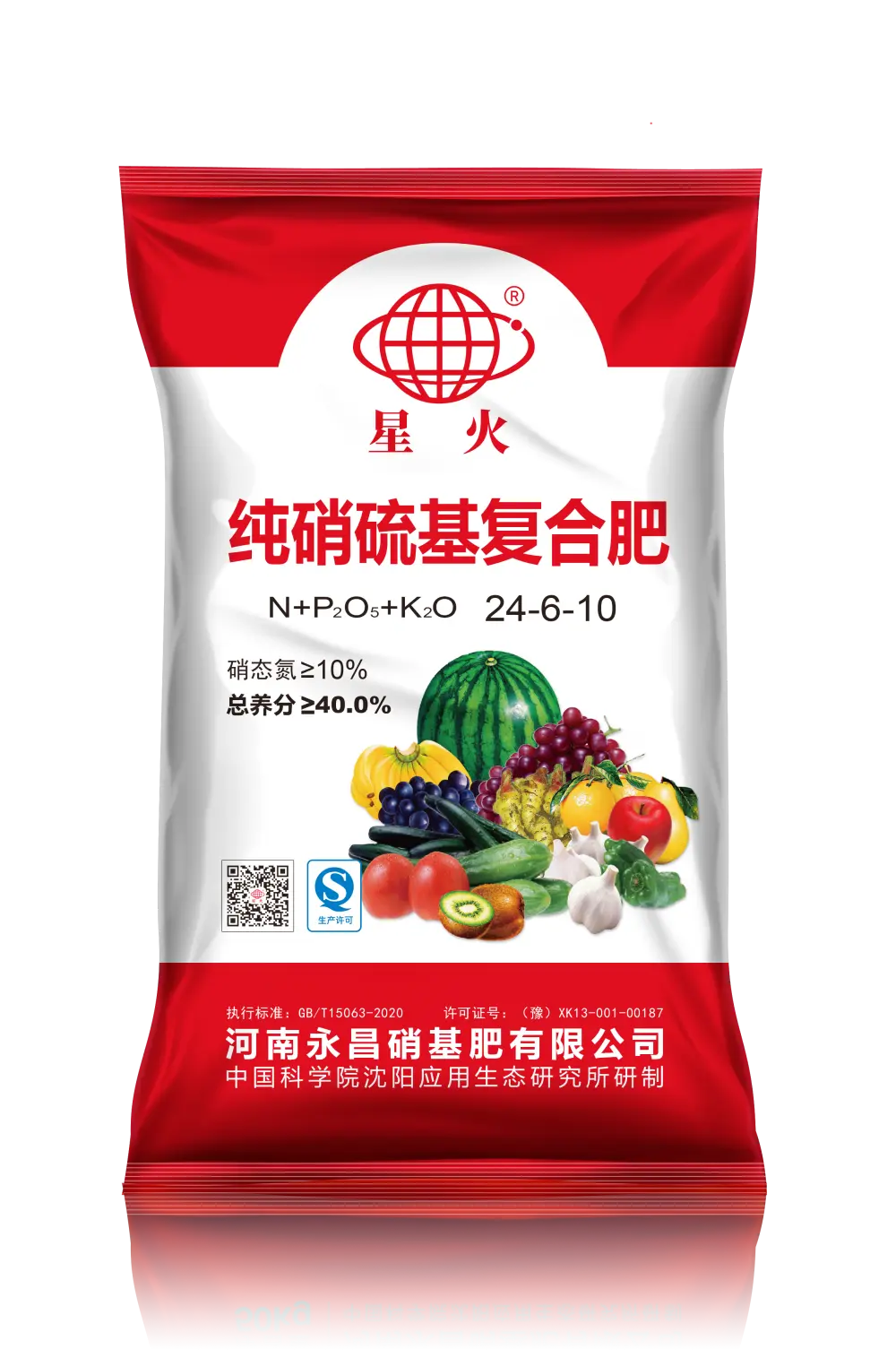
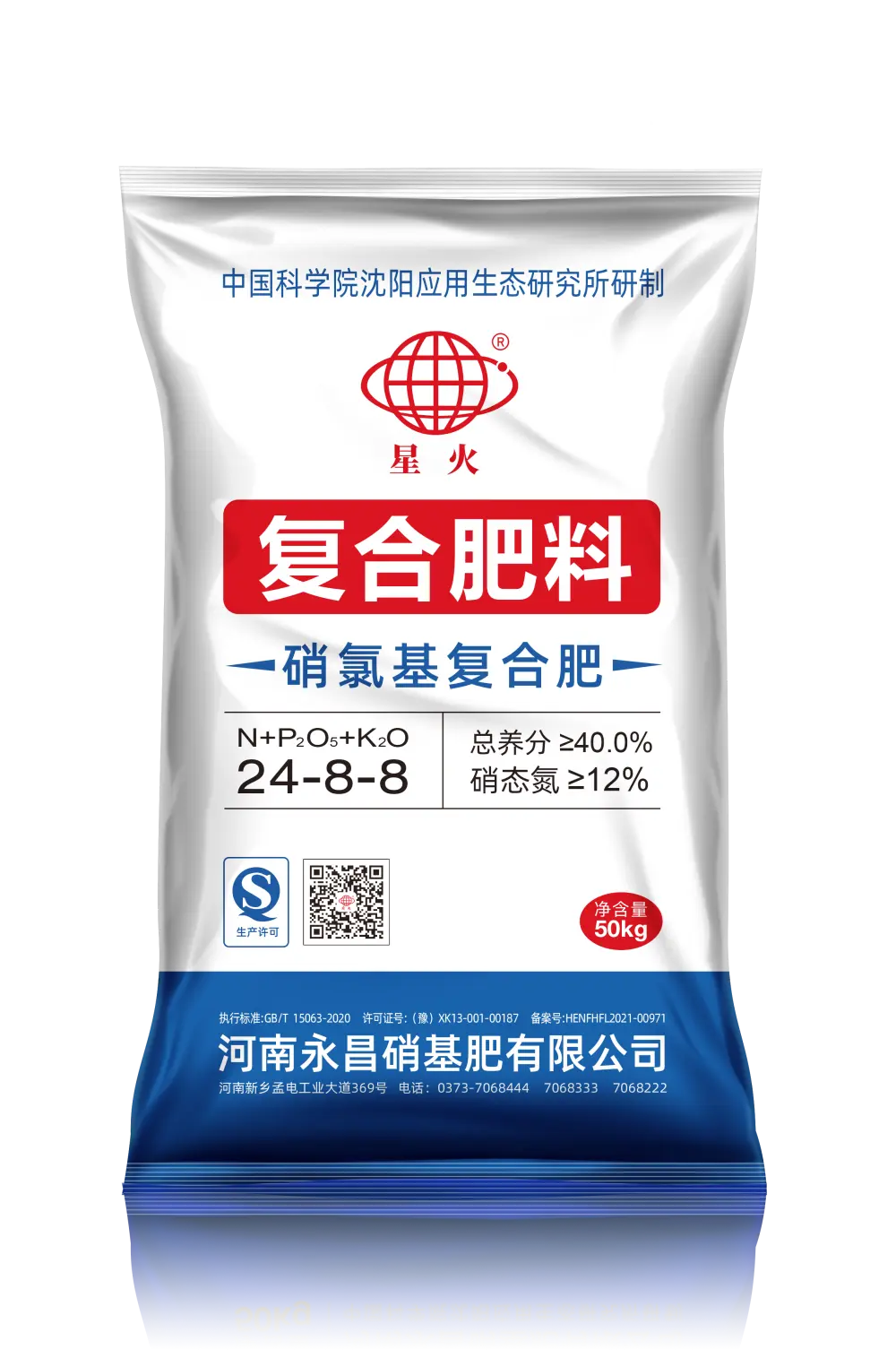
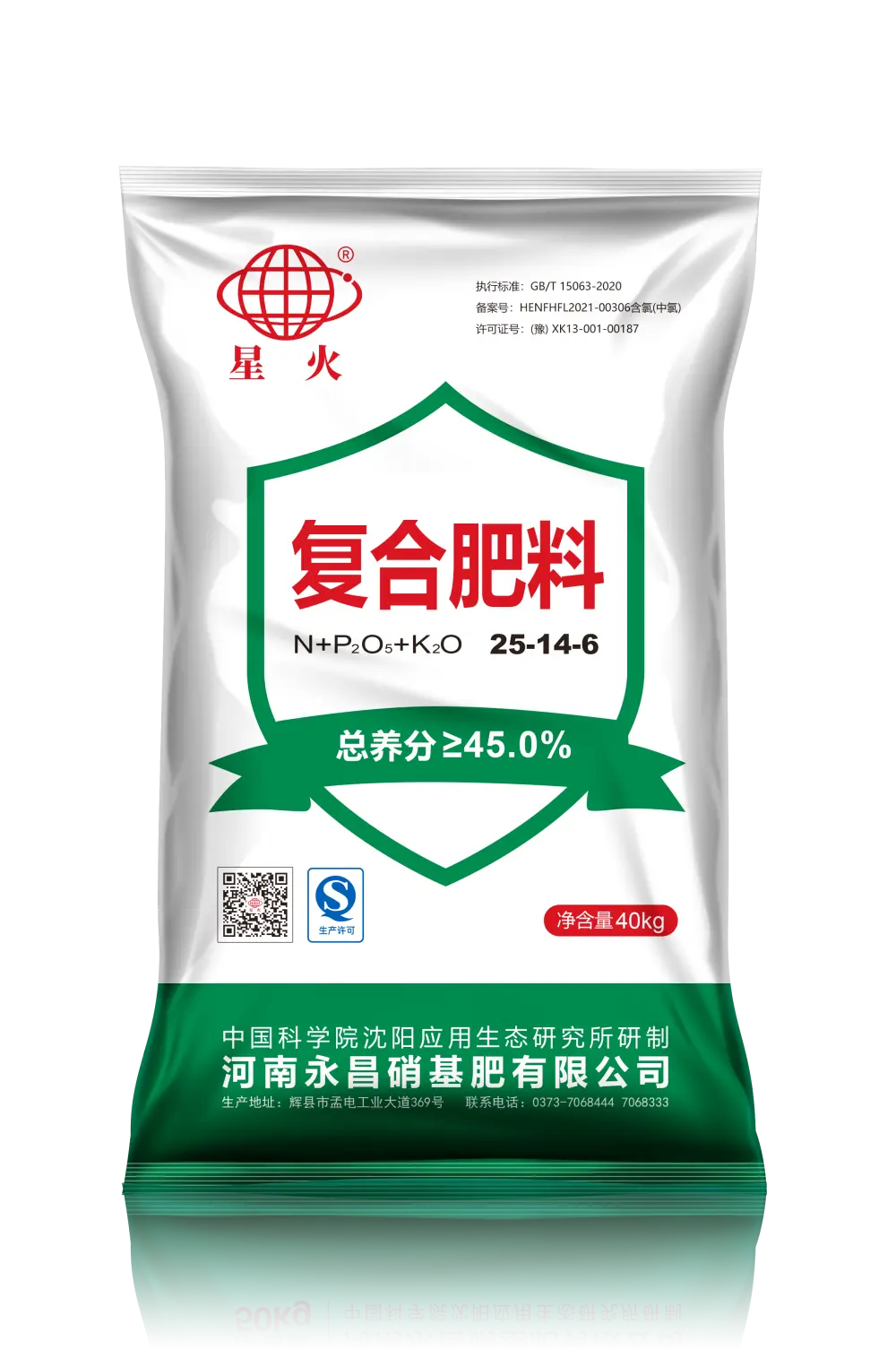
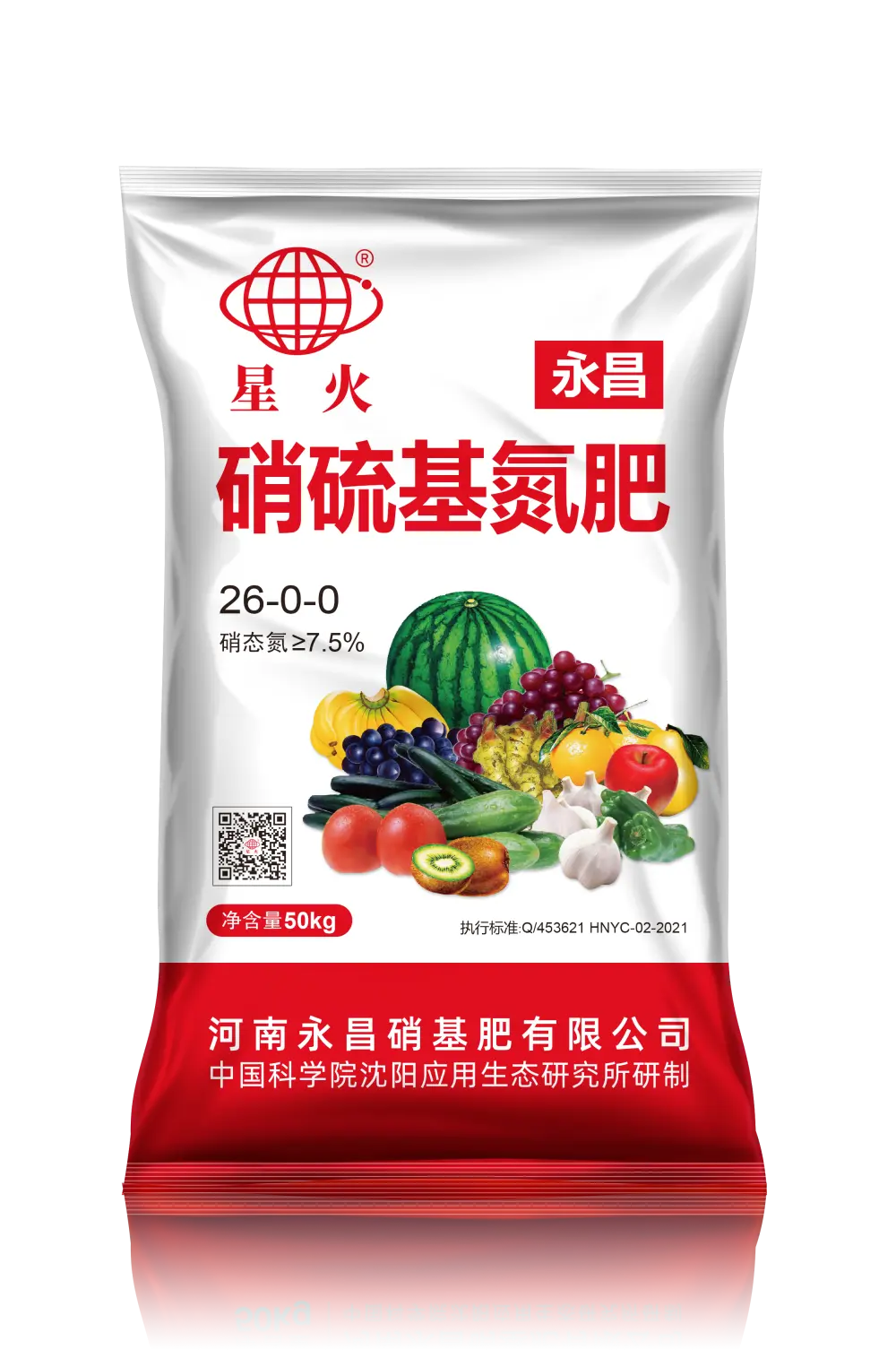
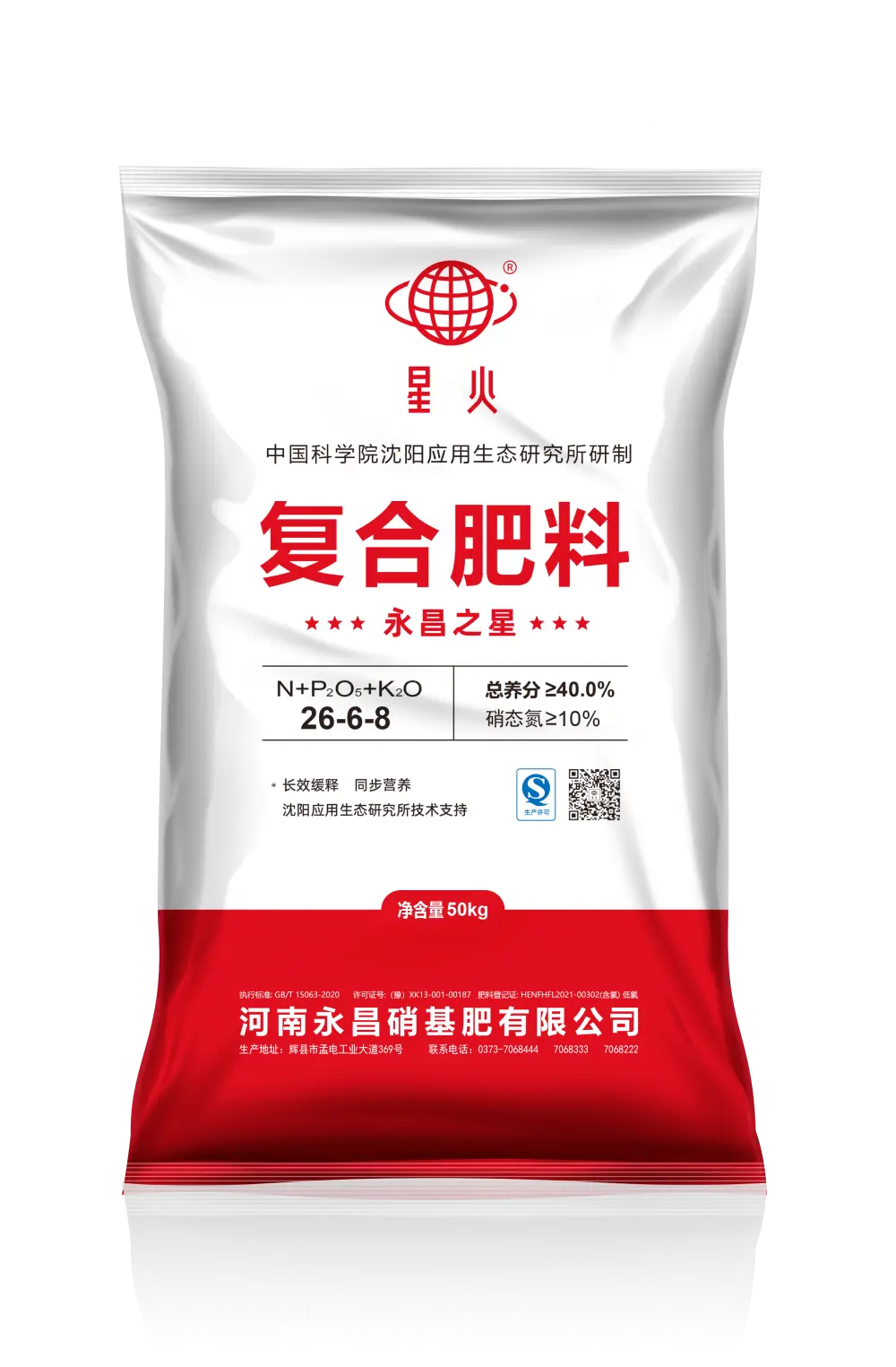
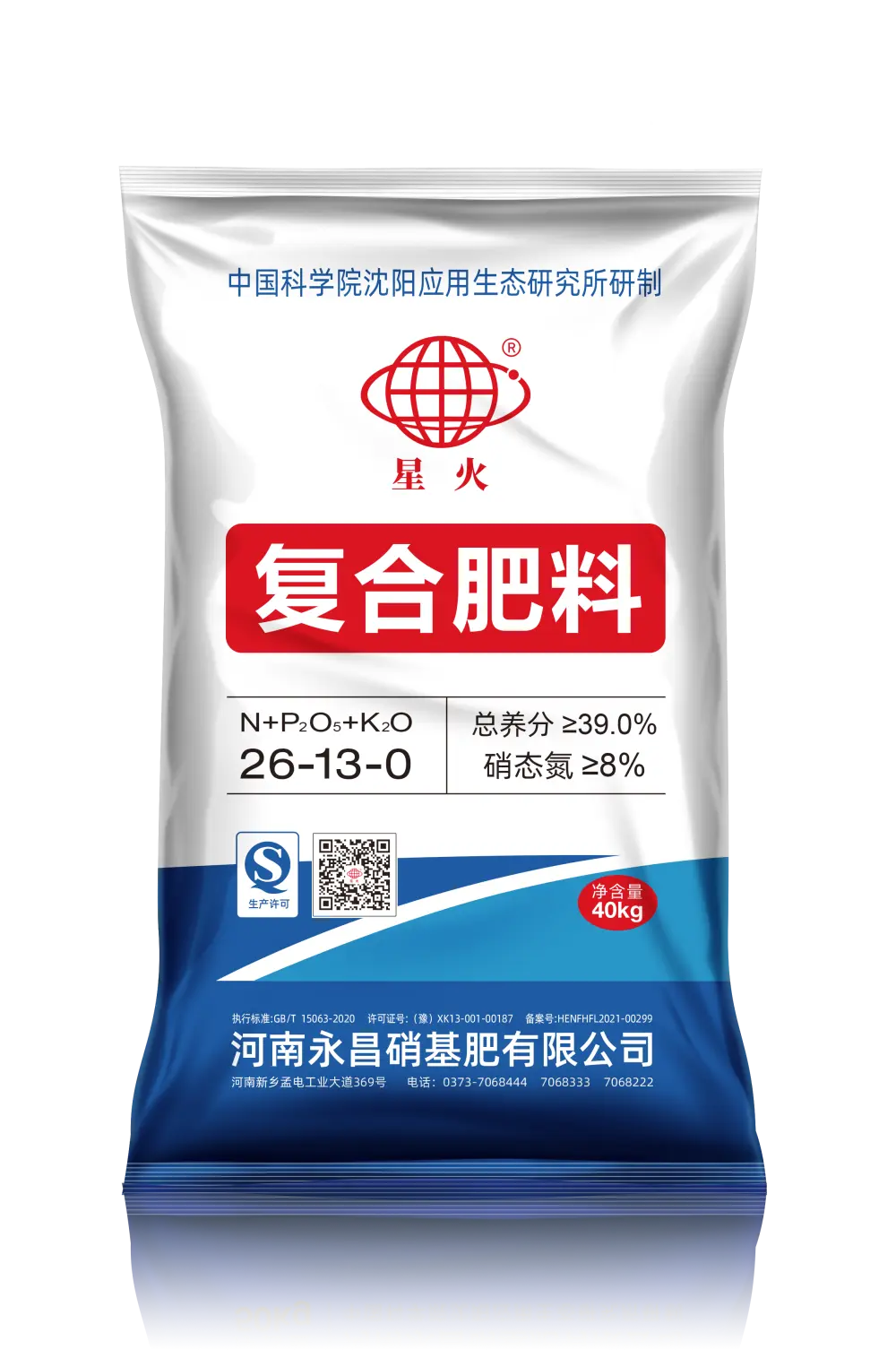
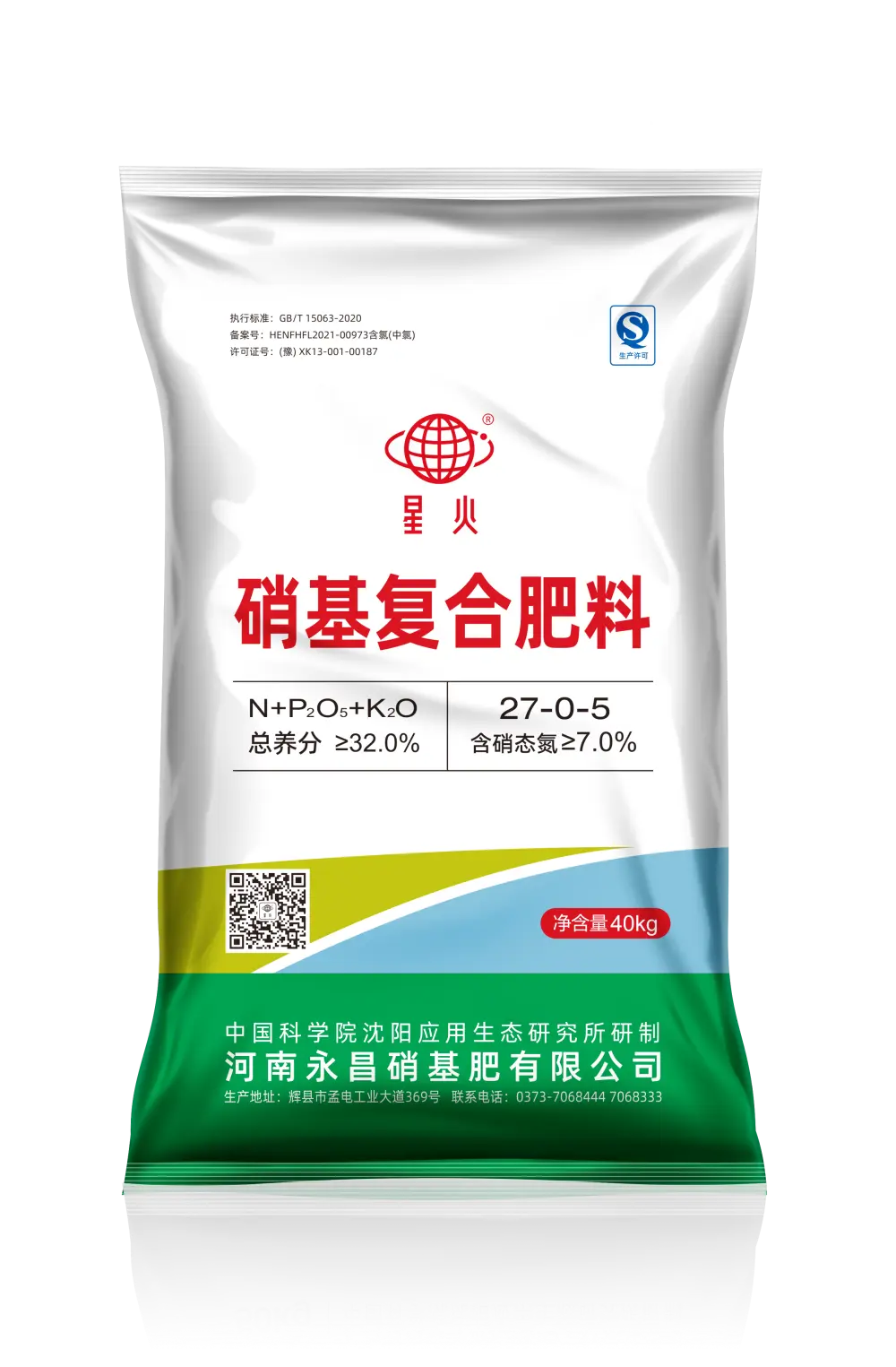
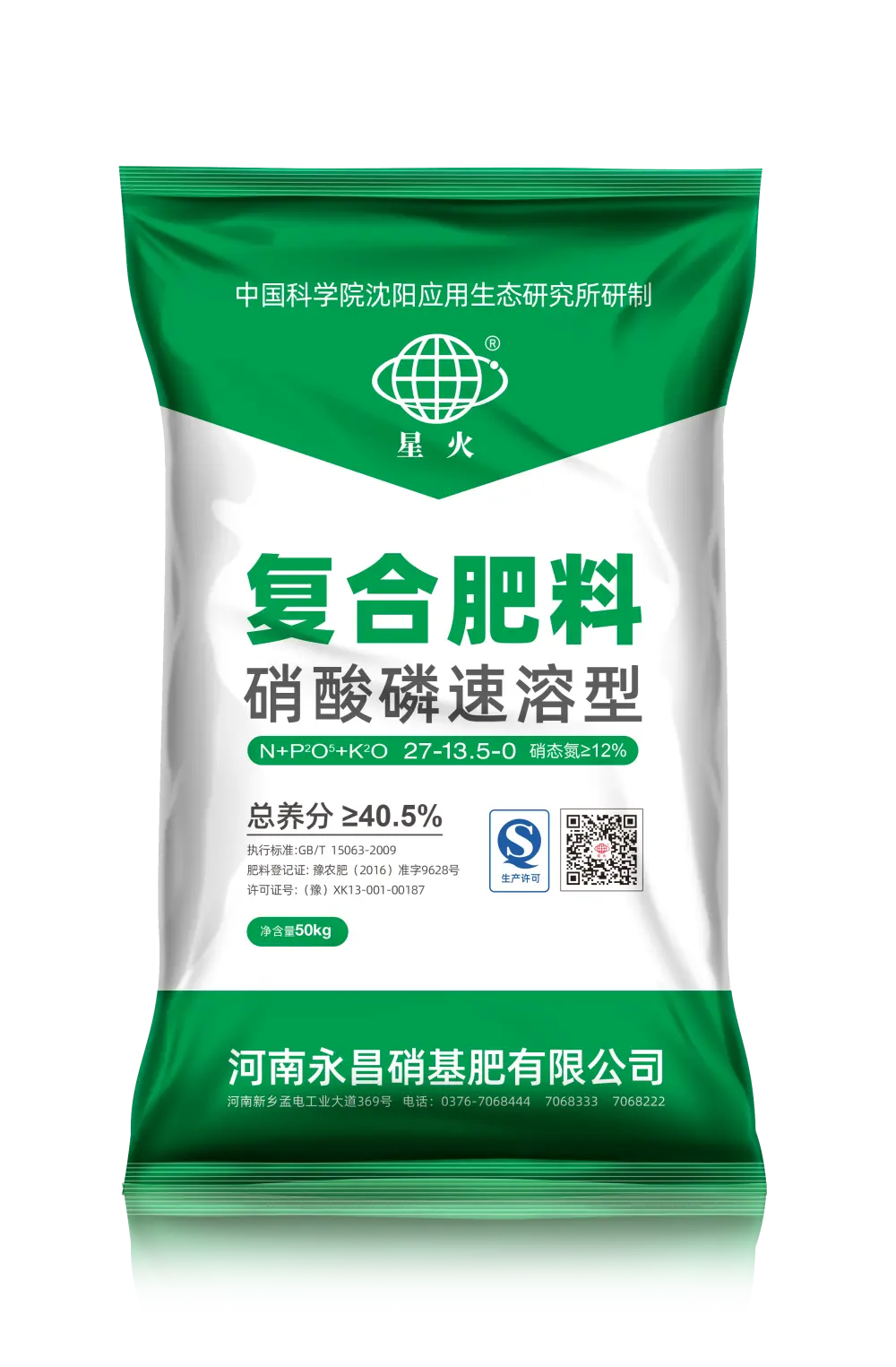
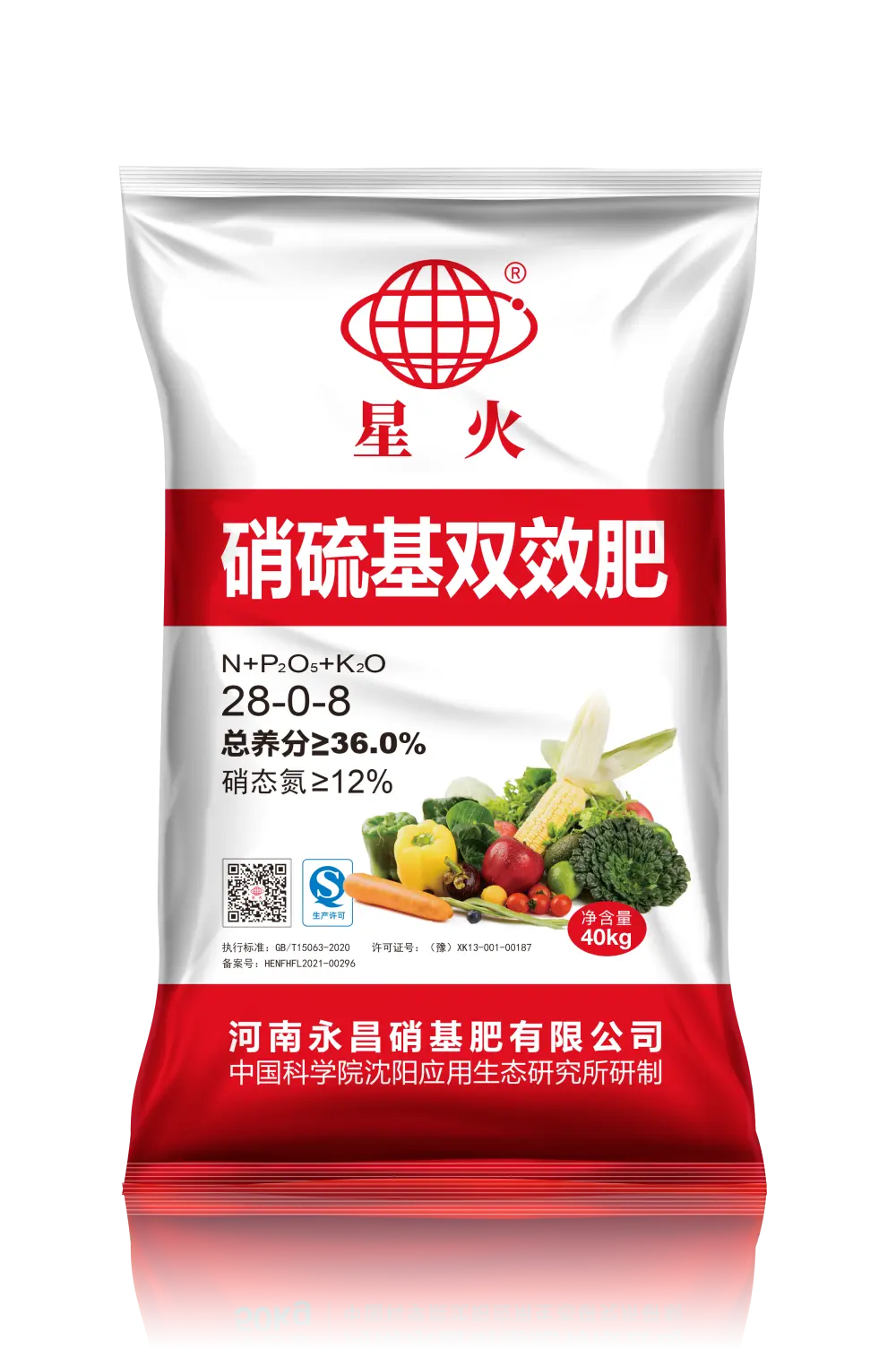
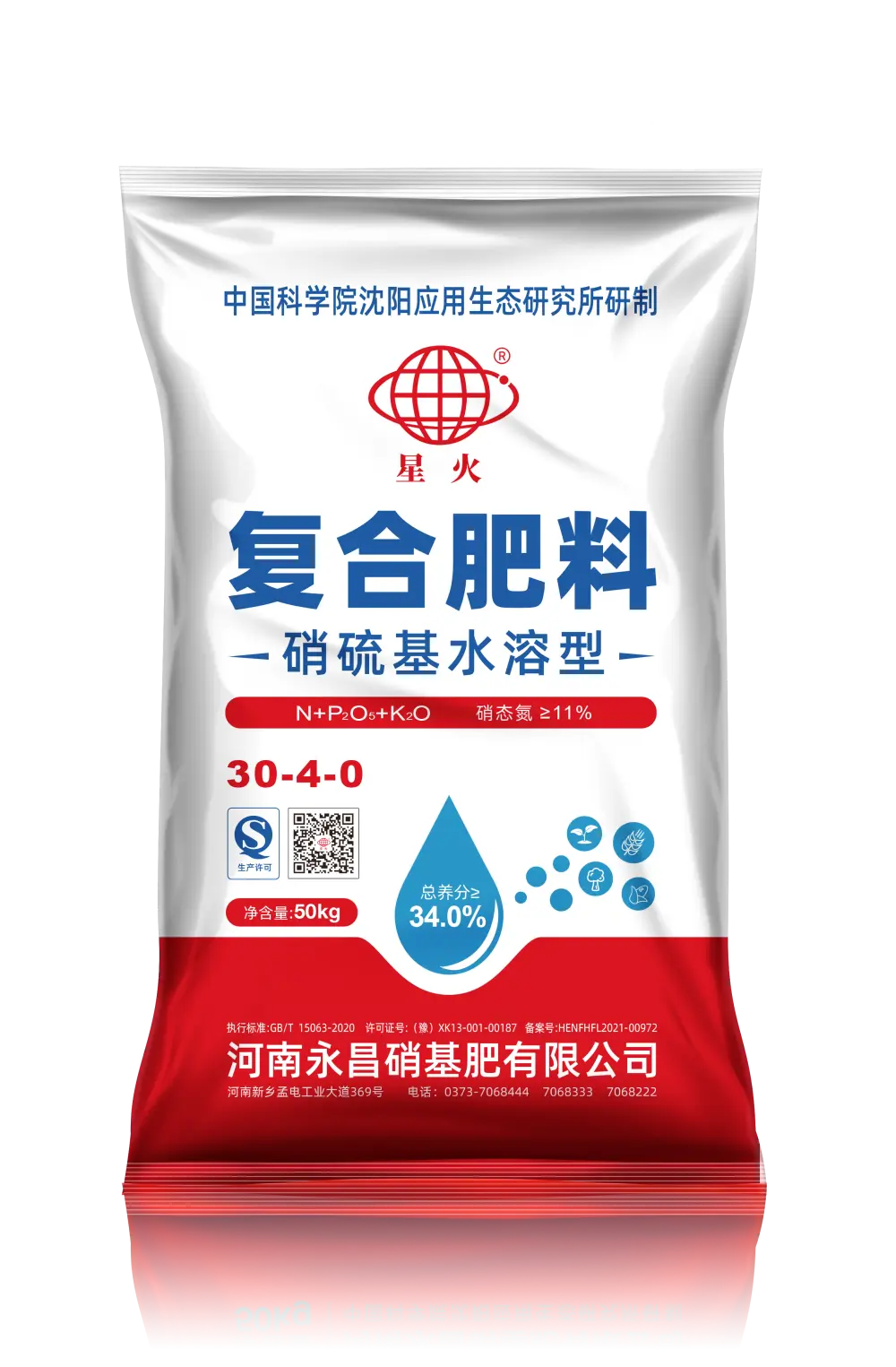
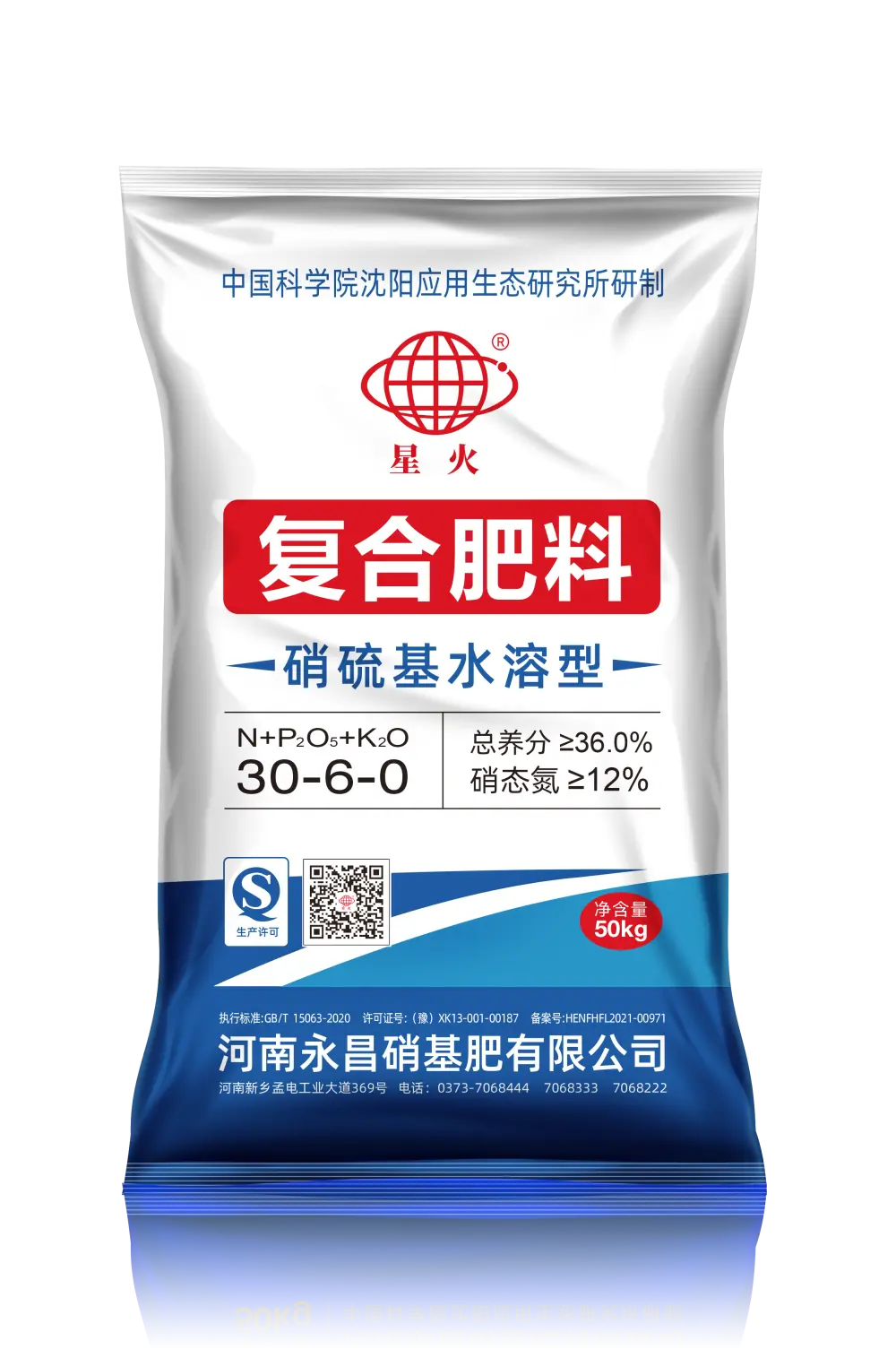
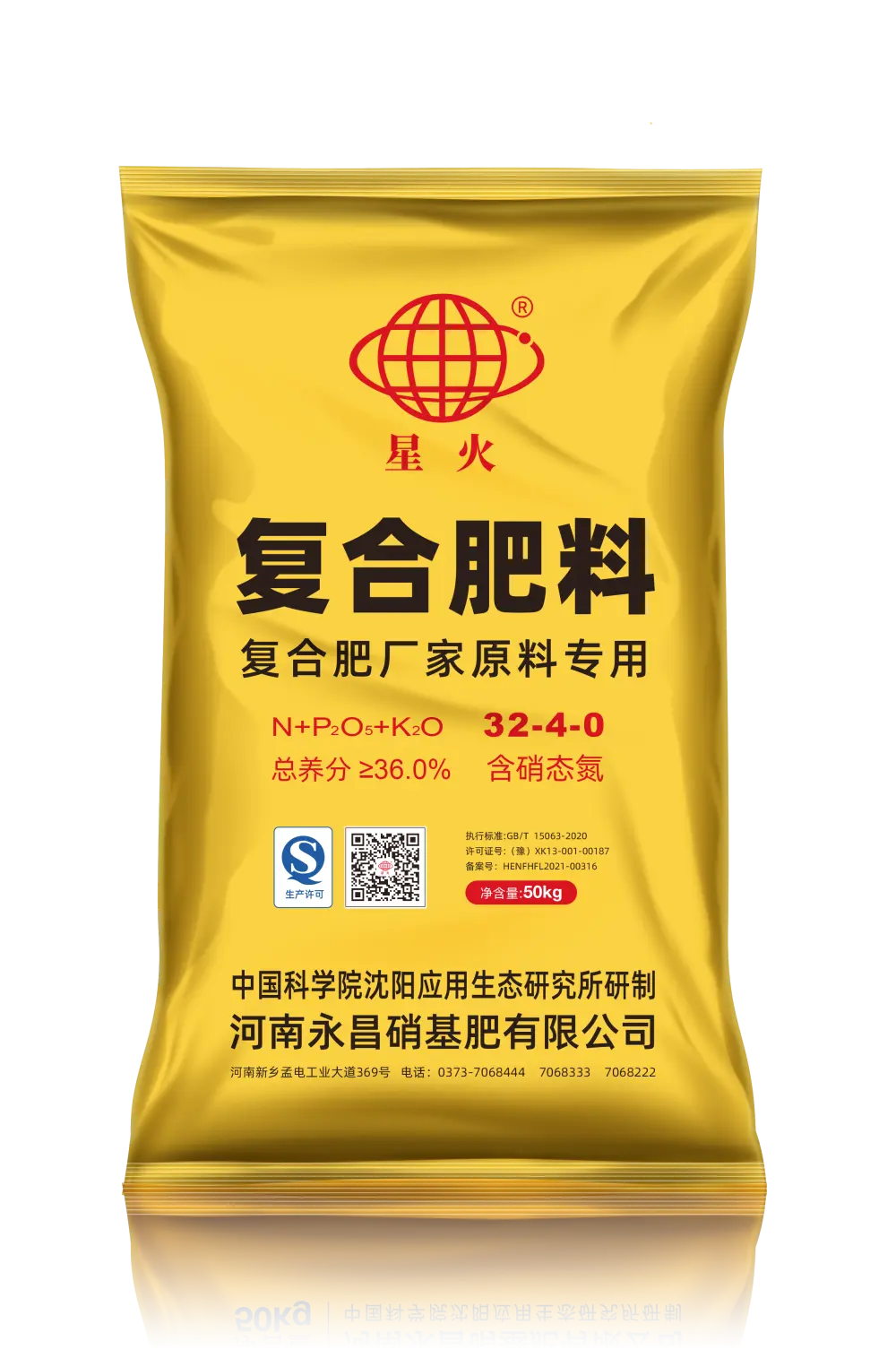
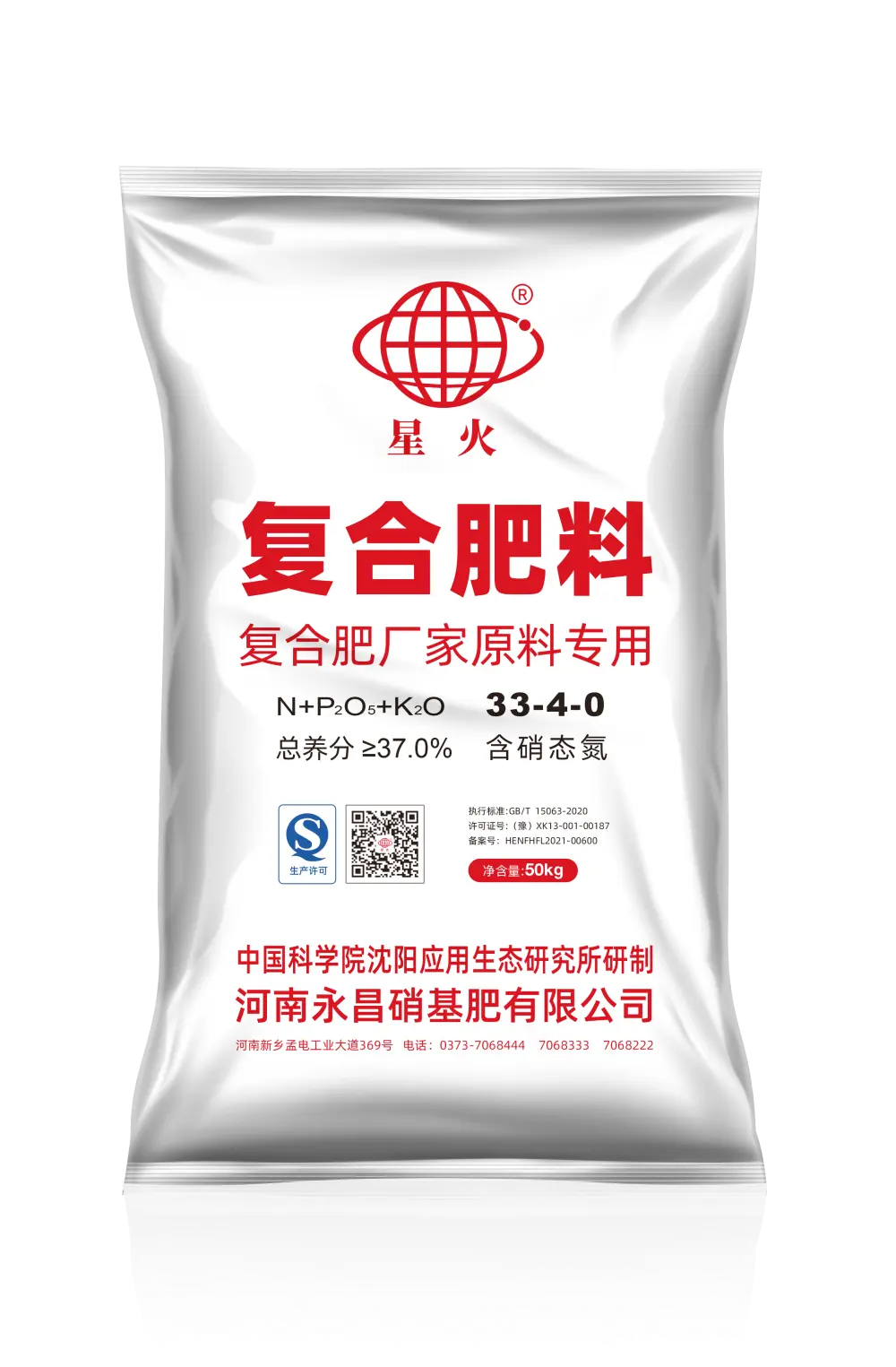
Detailed technical advice addressing high-level inquiries from chemical procurement managers and technical directors.
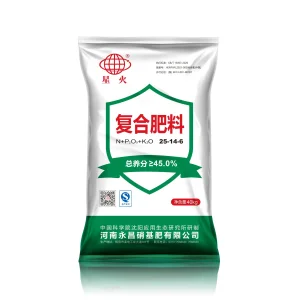
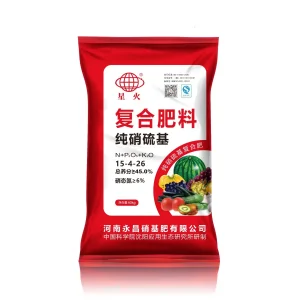
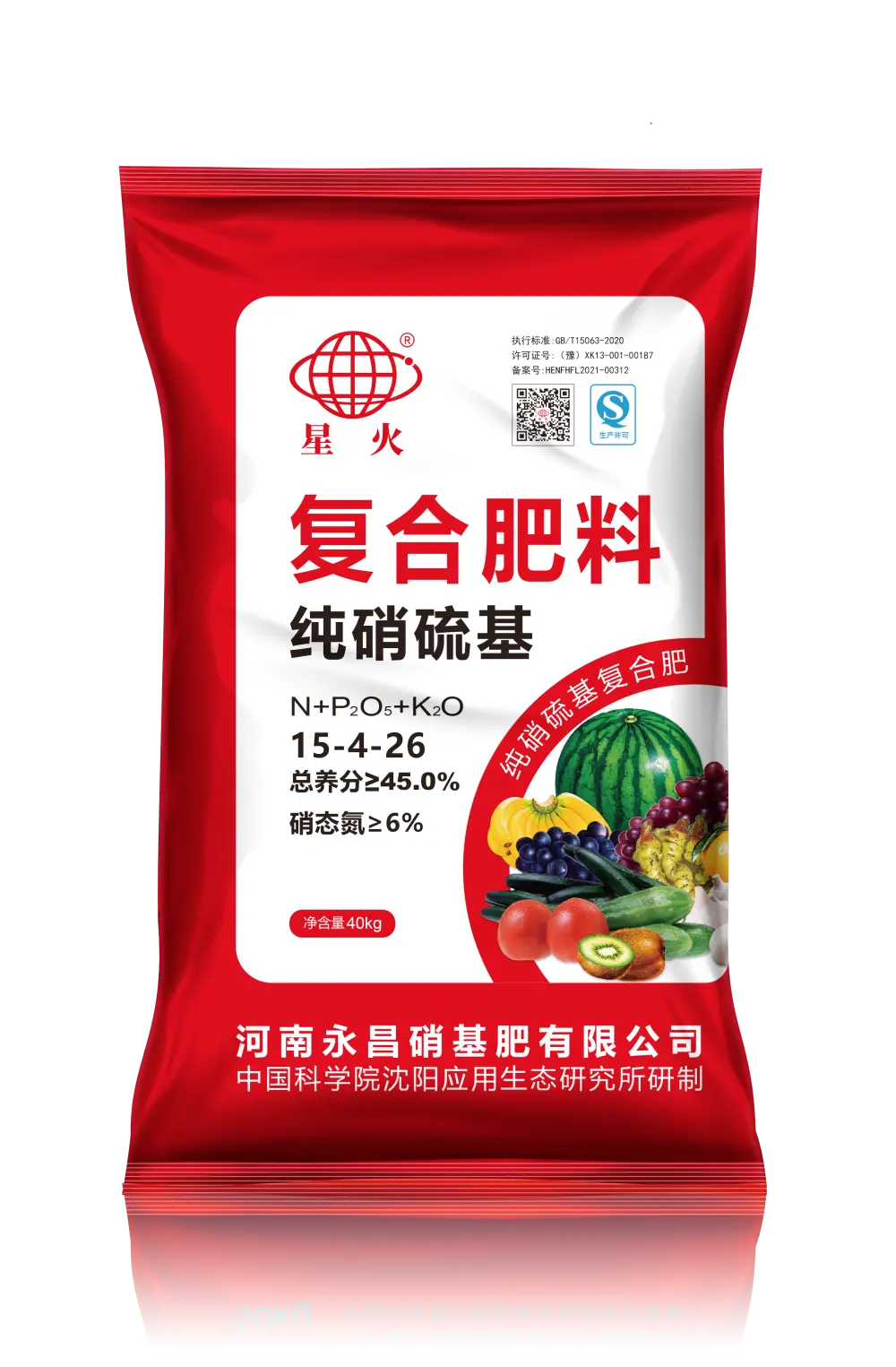
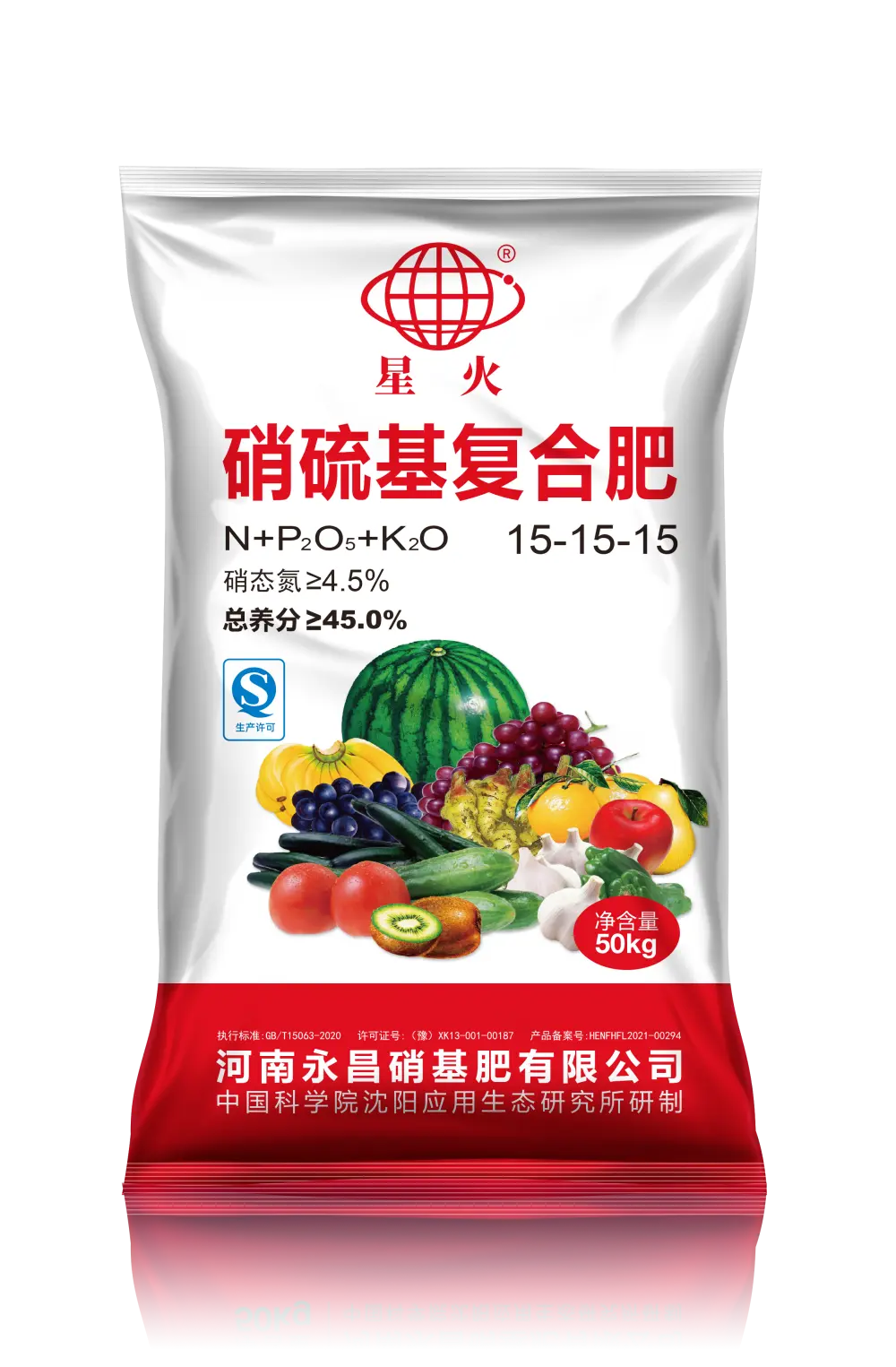
Custom nitrogen-based formulations, industrial salts, and solution chemistry designed for diverse global applications.
 Nitro Fertilizer