Engineered with molecular precision for optimal crop intake and advanced semiconductor/industrial metallurgy standards.
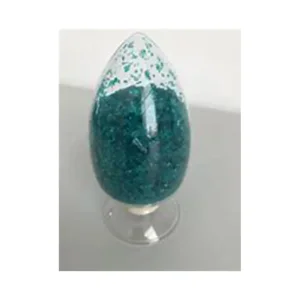
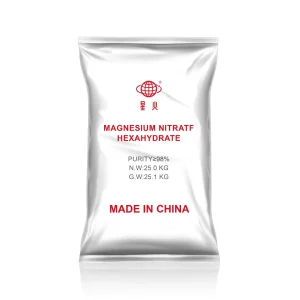
The global agricultural landscape is experiencing an epochal transition. Traditional soil-broadcast chemical fertilization schemes are yielding to sophisticated fertigation networks designed to counter climate disruptions, soil salinization, and decreasing water resources. As precision agriculture moves to the forefront, Water-Soluble Fertilizers (WSFs) represent the ultimate vector for nutritional delivery.
WSFs provide near-instantaneous nutrient uptake because the active ions are fully dissolved in solution, bypassing the slow mineralization processes inherent to solid granulated fertilizers. With modern drip irrigation and hydroponic systems, crops receive customized ratios of nitrogen (N), phosphorus (P), potassium (K), secondary macronutrients (Ca, Mg, S), and chelated micronutrients directly into the active root zone. This minimizes nutrient locking, reduces volatilization losses, and increases water-use efficiency (WUE) by up to 50%.
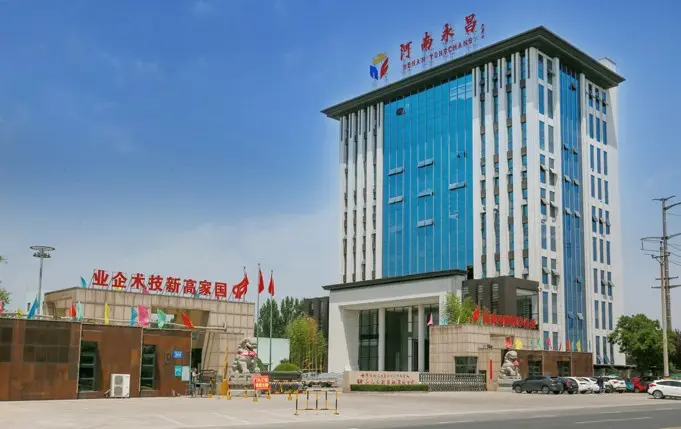
From a debt-laden local startup in 1974 to an industrial chemical powerhouse with a output capacity exceeding one million metric tons.
Founded in 1974, Henan Yongchang Nitro Fertilizer has spent over half a century building a highly integrated chemical matrix. Our production campus manages everything from raw synthesis gas to downstream nitrate crystallization. This chemical integration ensures consistent raw material access, isolating our clients from standard market fluctuations in nitrogen and nitrate precursors.
Annual output includes 500,000 tons of dilute nitric acid and 300,000 tons of high-concentration nitric acid, forming the backbone of our nitrate salt synthesis.
A production scale of 300,000 tons of pure ammonium nitrate and associated downstream derivatives engineered for industrial and agricultural applications.
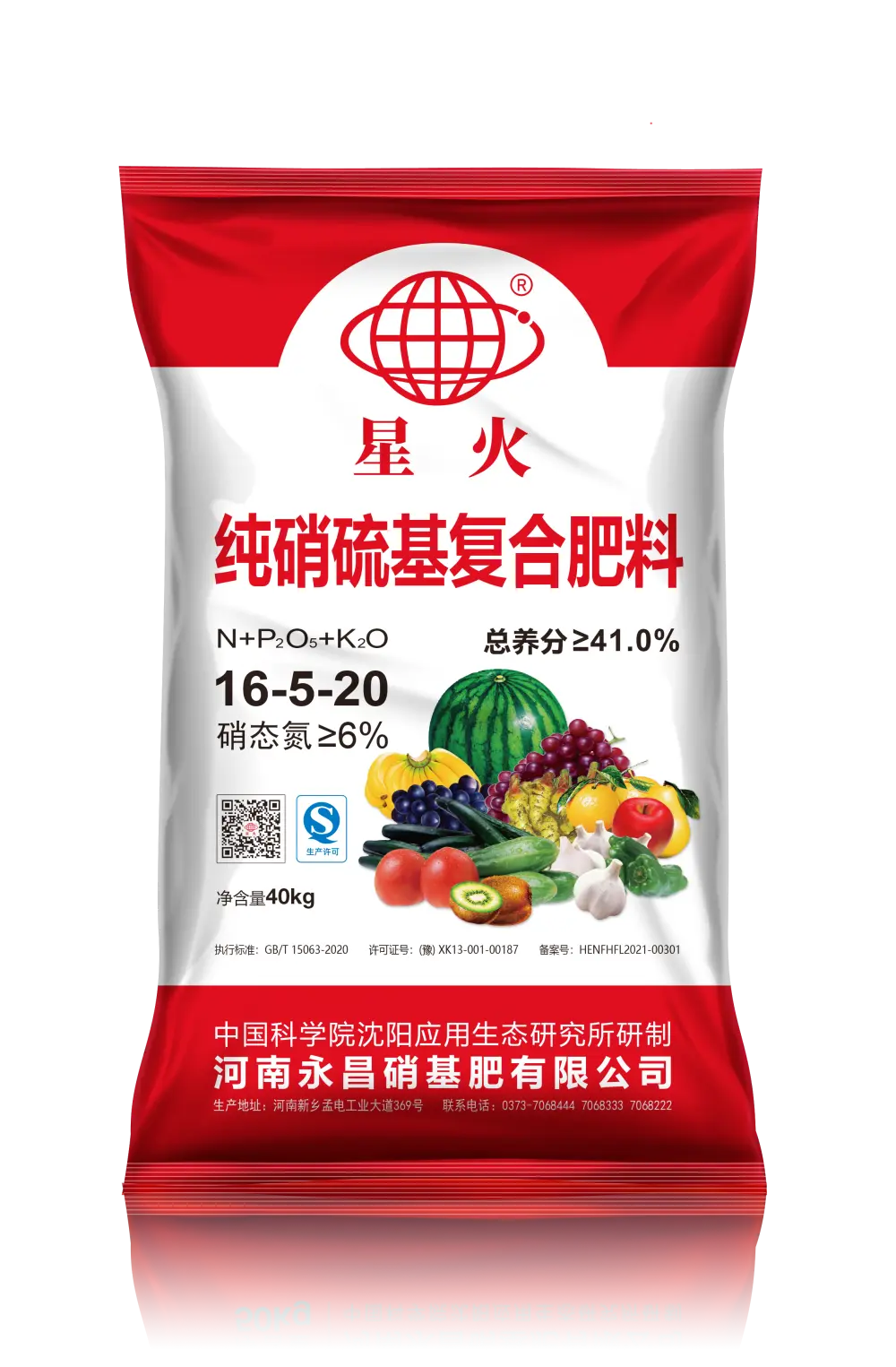
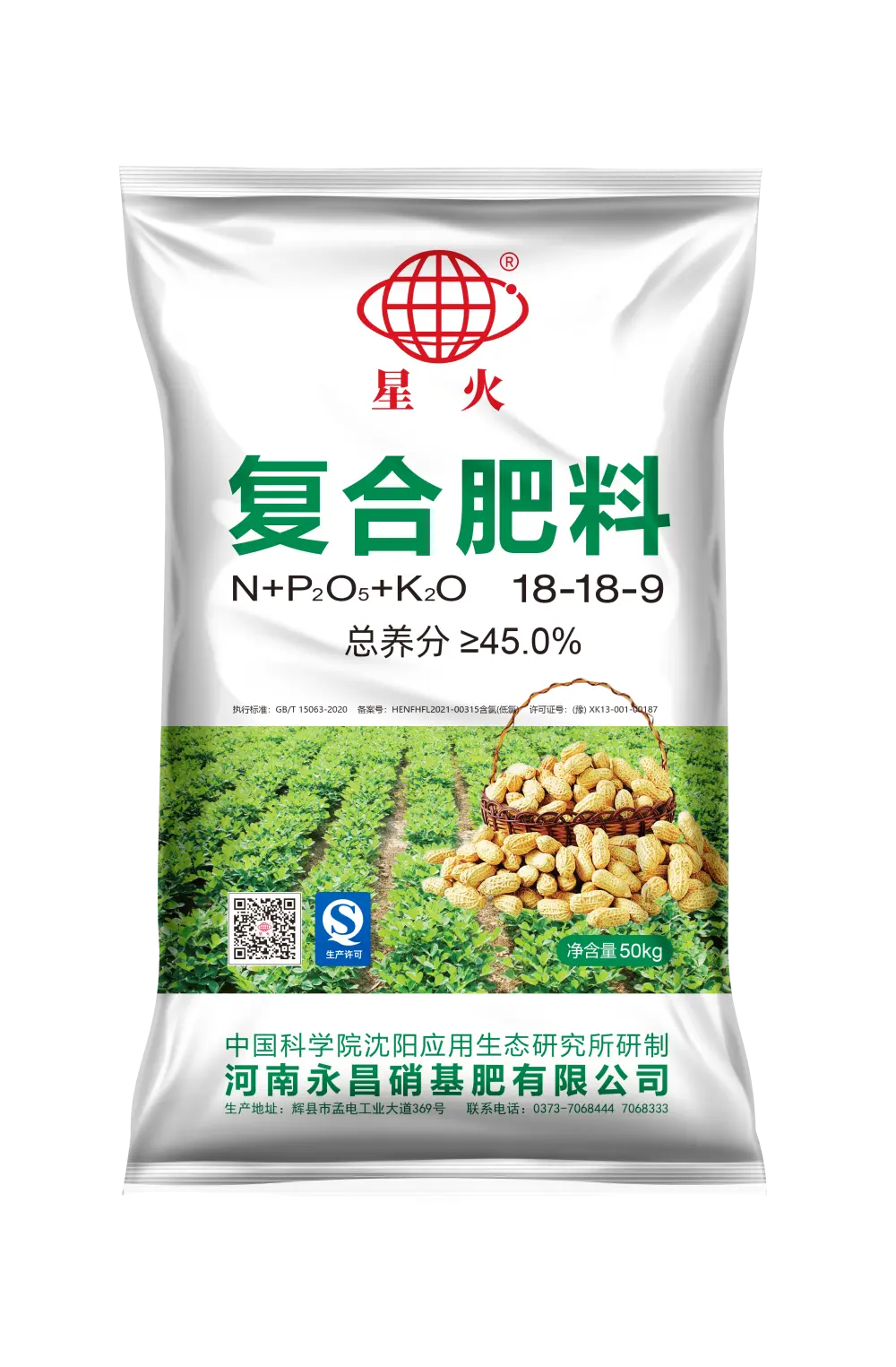
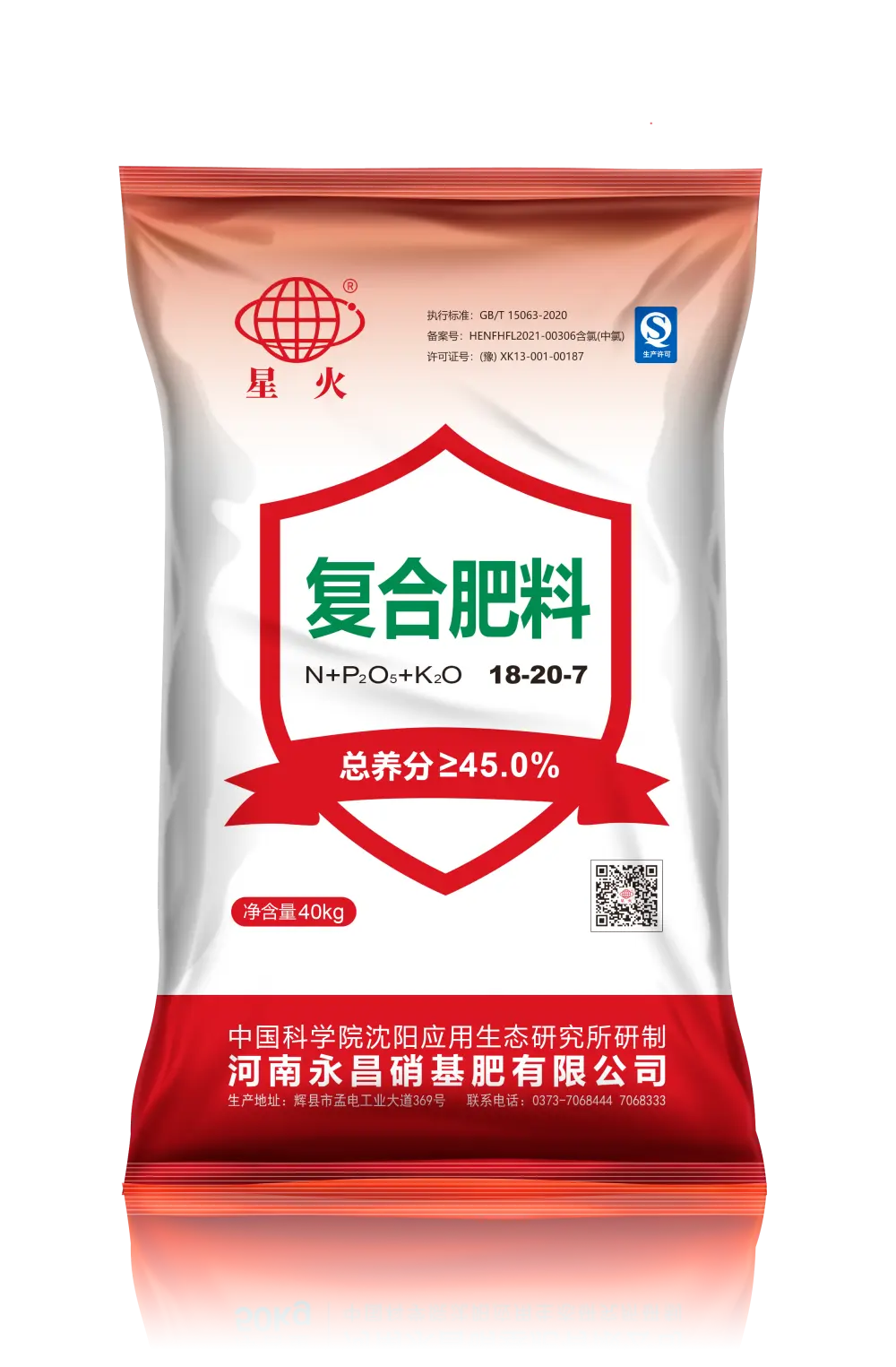
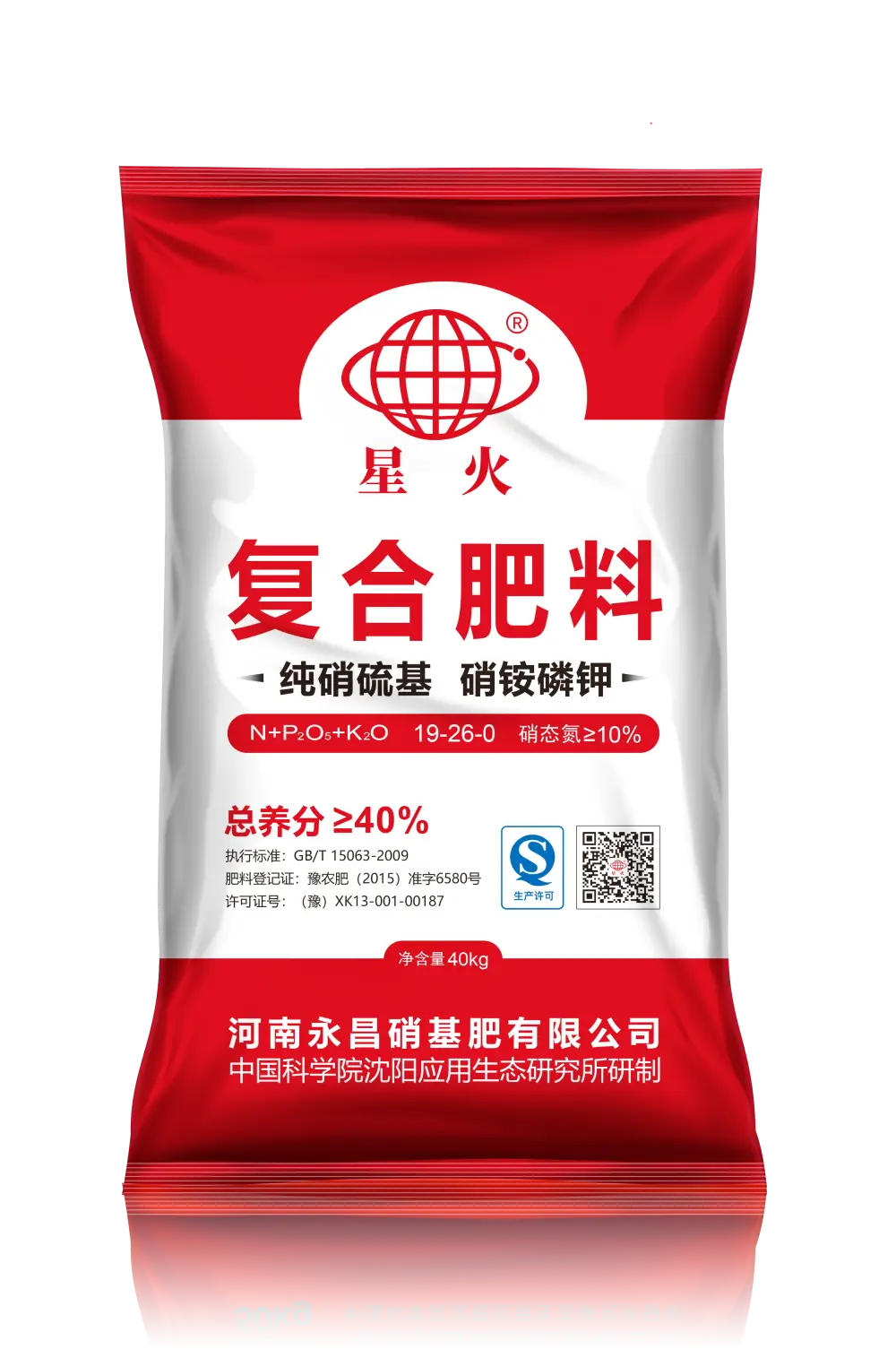
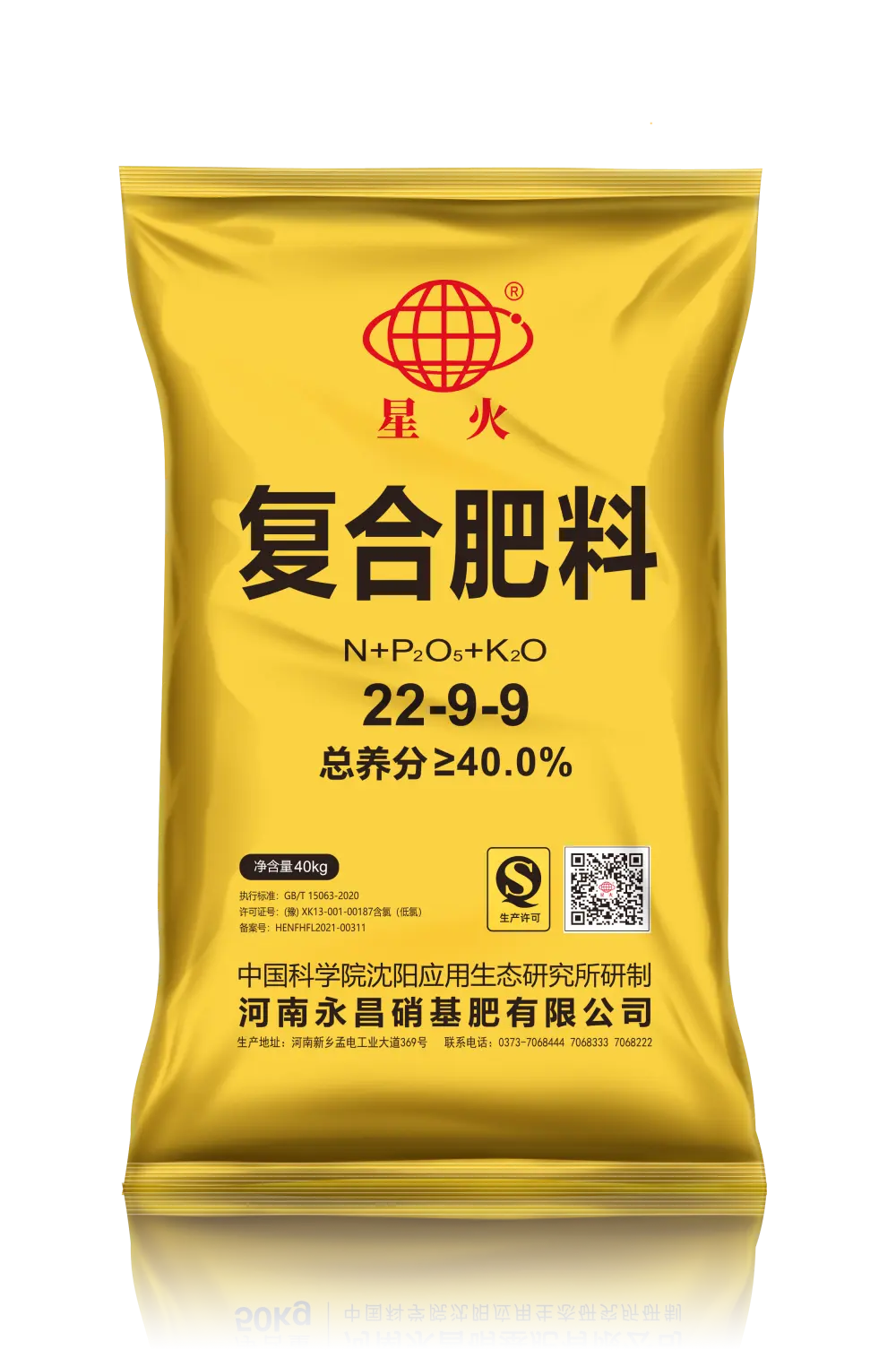
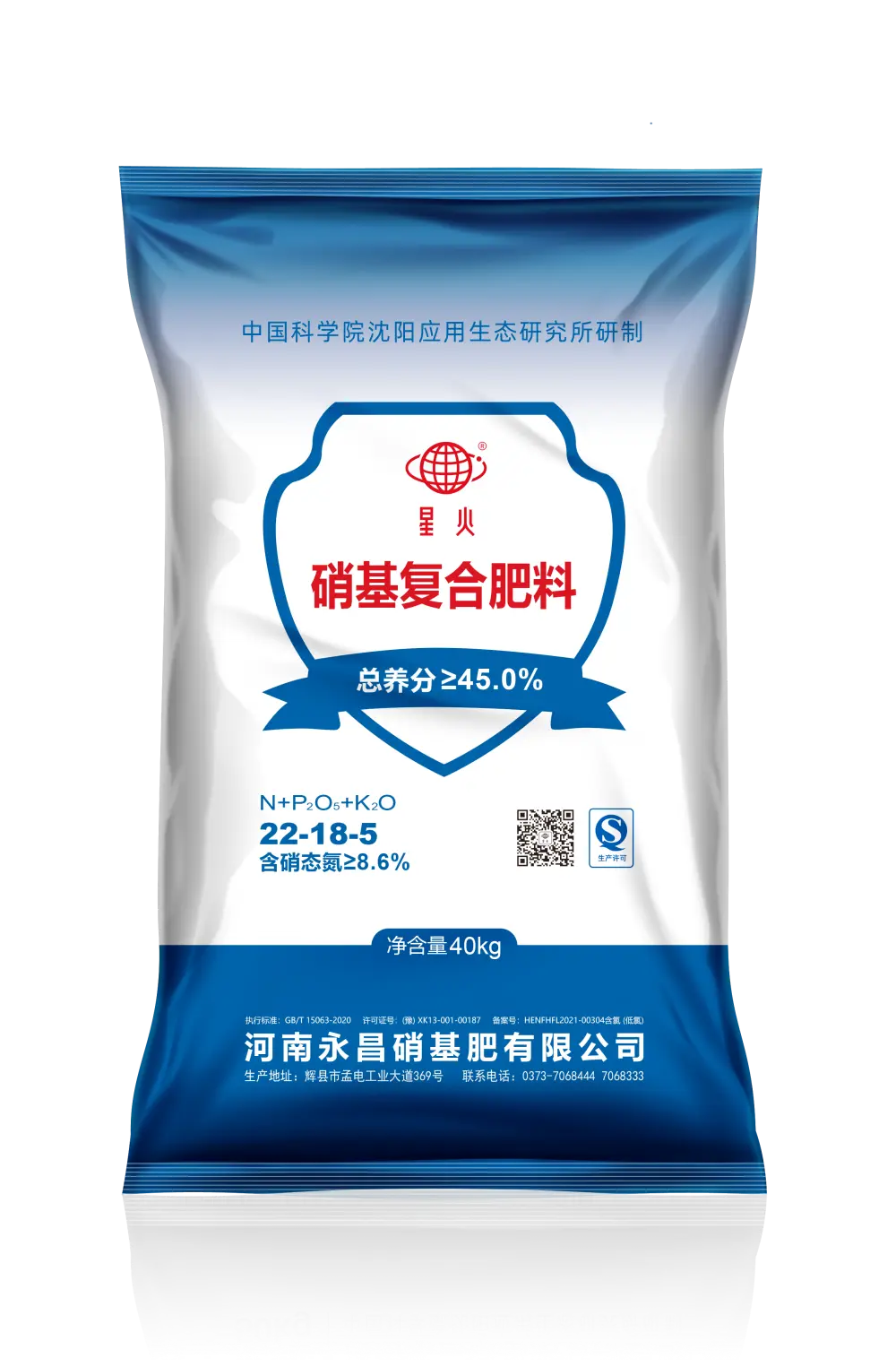
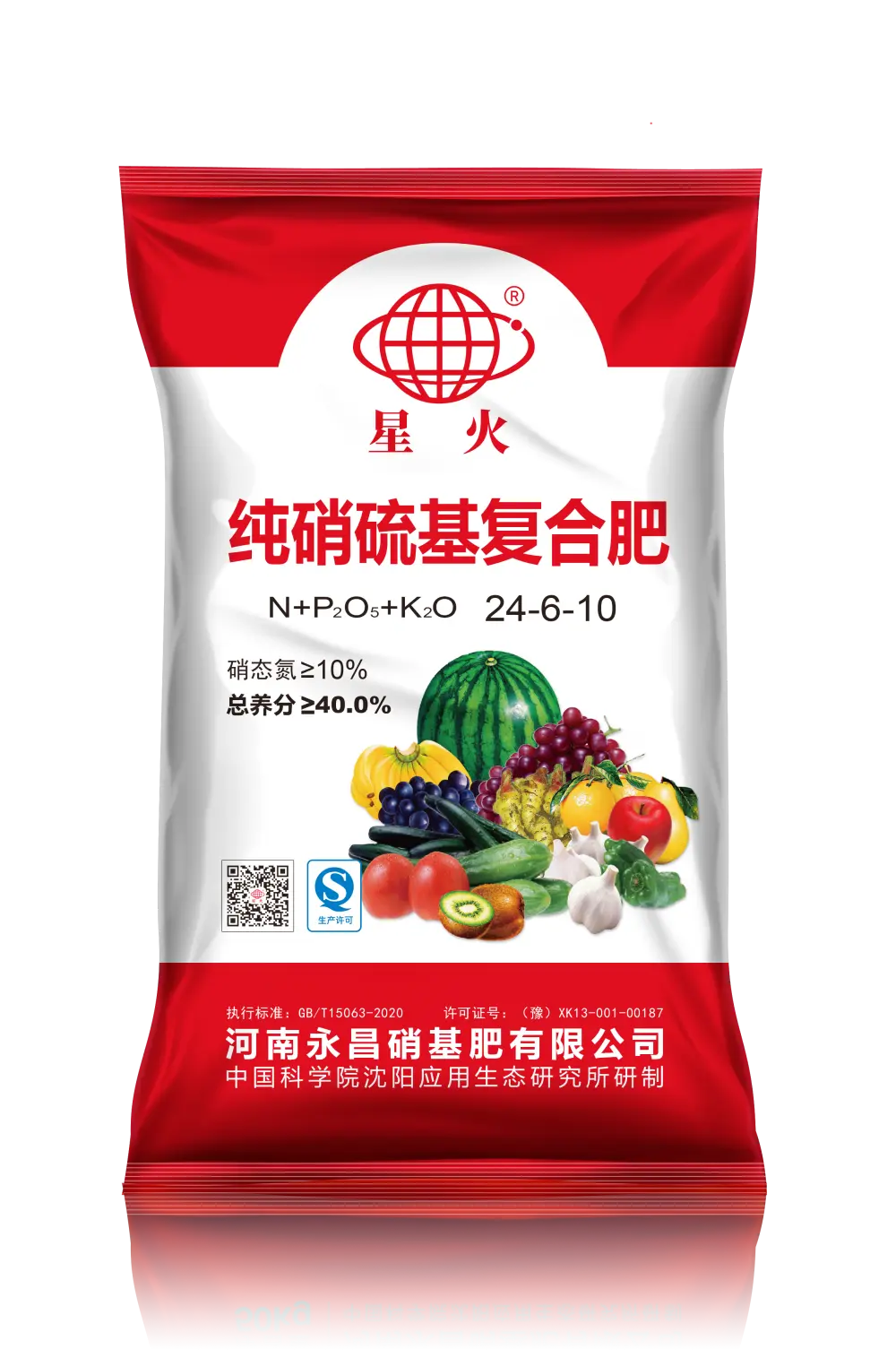
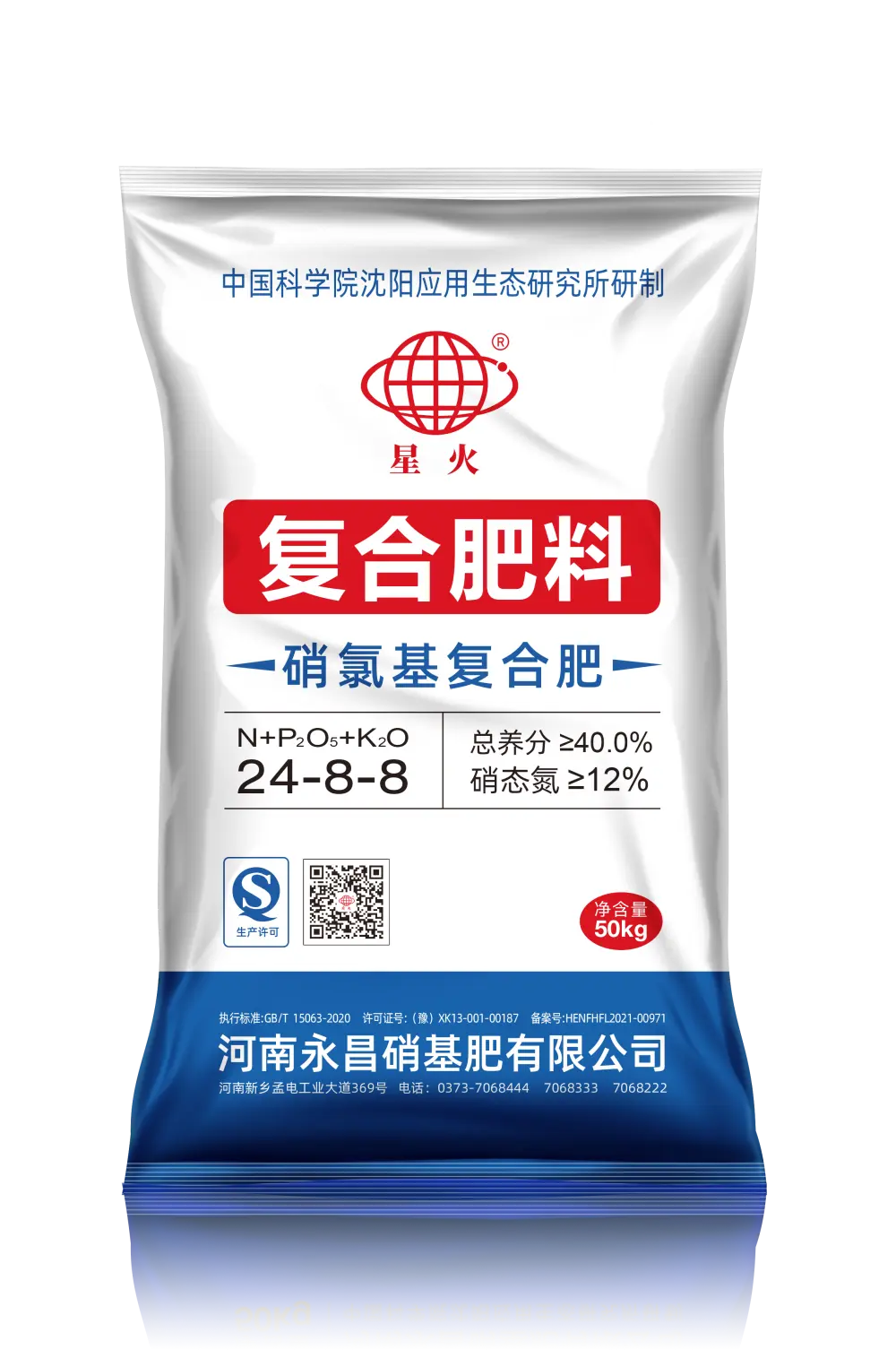
100,000 tons of specialty water-soluble NPK formulations, customized for international micro-fertigation and aerial spray programs.
Our National-Level R&D Center leads the industry in sustainable nitric acid manufacturing and chemical nutrient kinetics.

● Proprietary Dual-Pressure Nitric Acid Process reduces energy consumption by recovering heat from ammonia combustion.
● Maintains Top 3 global production scale with an automated DCS interface ensuring precise concentration control.

● Pioneered nitrogen-phosphorus delayed-release technology, synchronizing nutrient delivery with the plant's growth curve.
● Prevents phosphate immobilization by using polyphosphates that maintain solubility in alkaline soils.

● Over 100 customized formulations, matching crop requirements from leafy greens to high-value citrus crops.
● End-to-end consulting services, from laboratory soil testing to digital precision fertigation schedule optimization.
The modern bulk chemical supply chain demands predictability, physical purity, and quick delivery. Henan Yongchang's manufacturing campus leverages China's industrial infrastructure to operate a Factory 4.0 ecosystem.
Our production facilities utilize automated DCS (Distributed Control Systems) to monitor every phase of nitric acid production and crystallization. By linking raw ammonia feeding systems with multi-stage vacuum crystallizers, we achieve consistent particle sizes, eliminate physical dust issues, and prevent caking during transport across multiple climate zones.
Our logistics network is fully integrated with regional rail systems and deep-water container ports. This structural setup allows us to keep lead times short, offer stable shipping containers, and provide flexible packaging options (from 25kg PE bags to 1.2-ton bulk bags) to global distributors and OEM blenders.

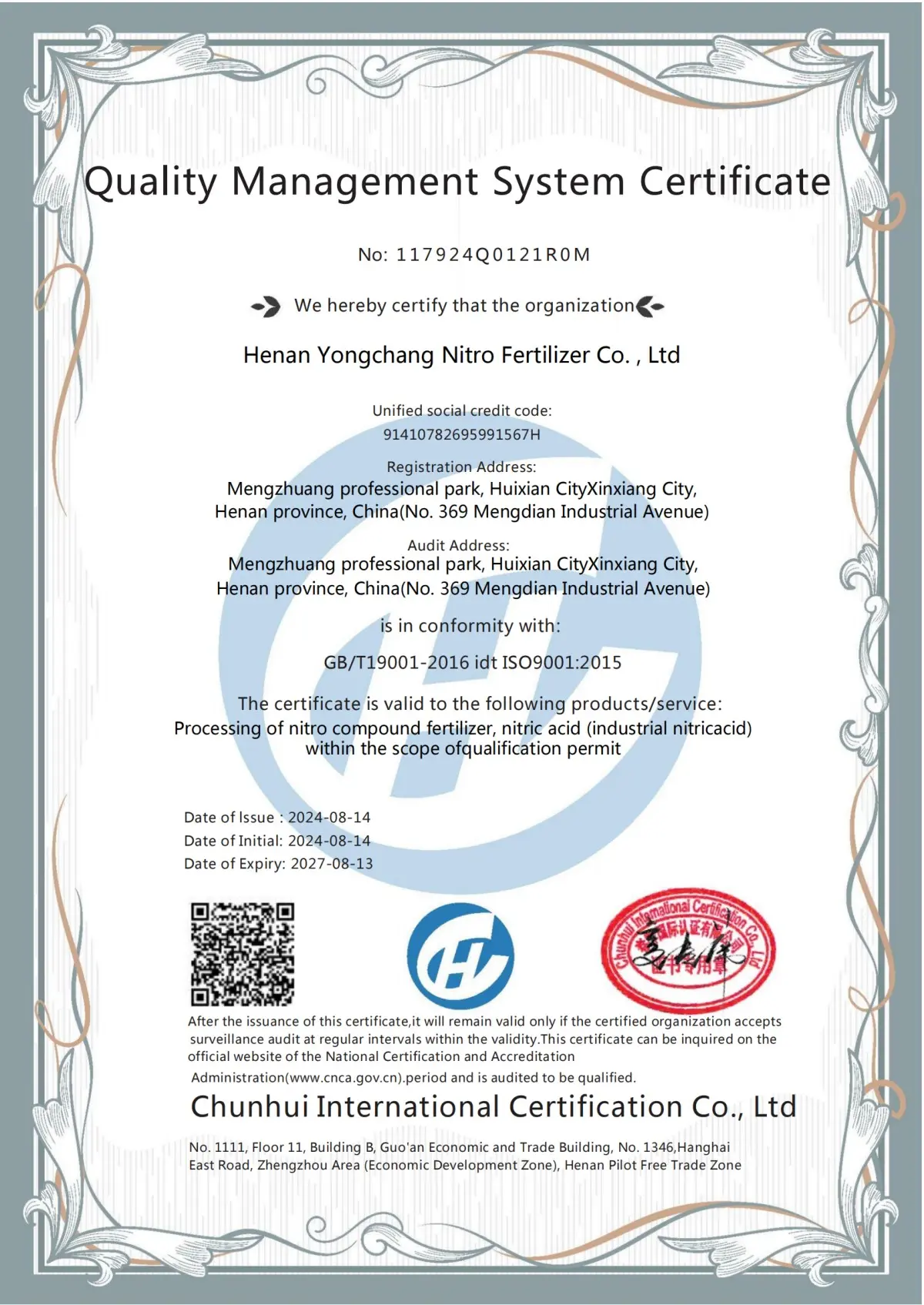
Our commitment to quality is backed by domestic and international certifications, ensuring safety, compliance, and product tracing across global channels.
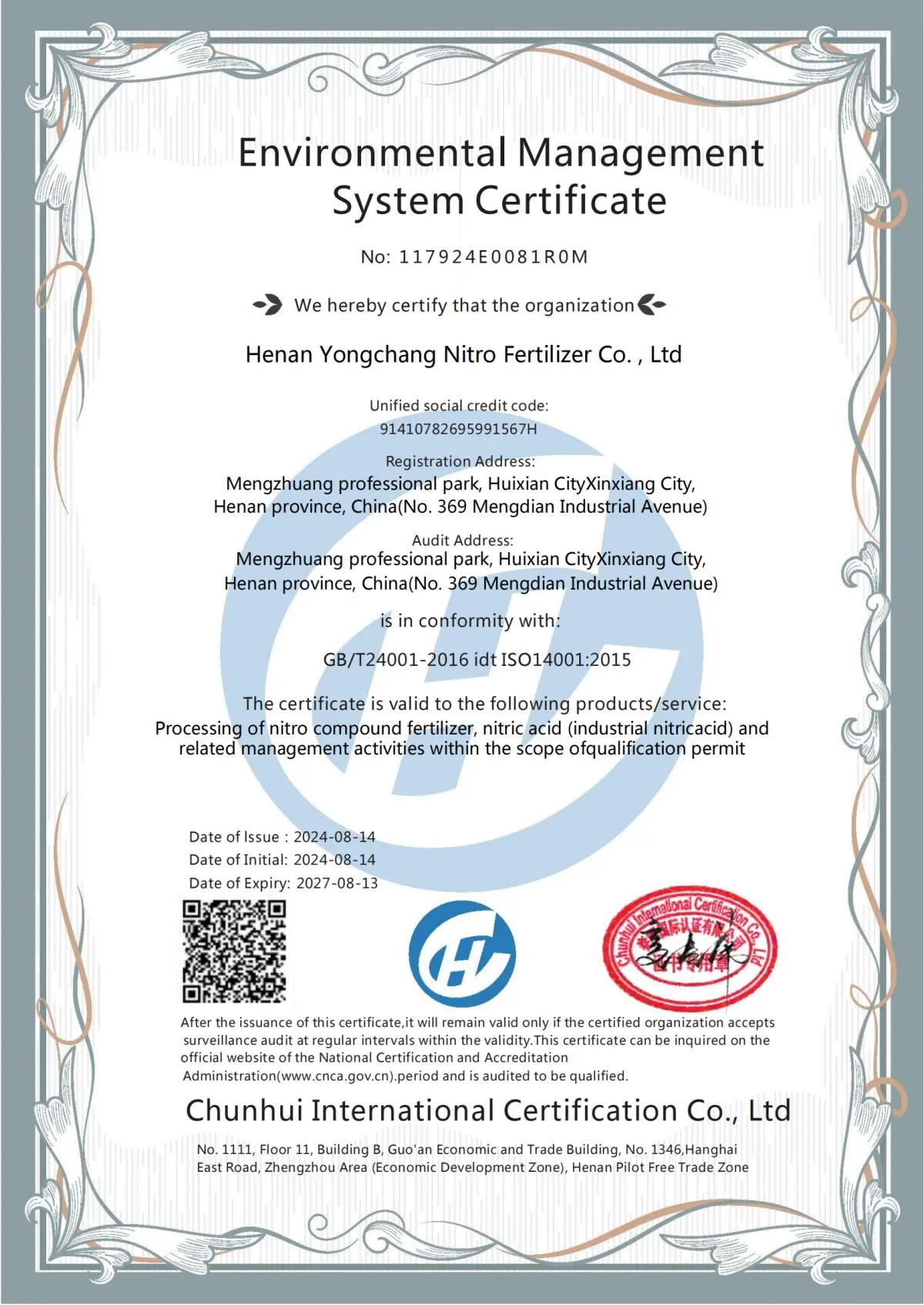

Henan Yongchang is actively adapting to the "Dual-Circulation" development model, combining deep domestic industrial integration with a customer-focused export portfolio. Understanding that global buyers prioritize sustainable sourcing, we have set key ESG goals:
Digital Factory Transformation (2025): By implementing digital twins and IoT sensors throughout our plant, we are automating production adjustments to optimize resource consumption and product consistency.
30% Carbon Footprint Reduction: We are incorporating premium catalysts to capture N2O emissions from nitric acid synthesis, preventing greenhouse gas release while generating thermal energy for adjacent processes.
This balance of technological innovation and ecological responsibility ensures that our partners receive agricultural and industrial materials that align with strict global carbon and environmental standards.
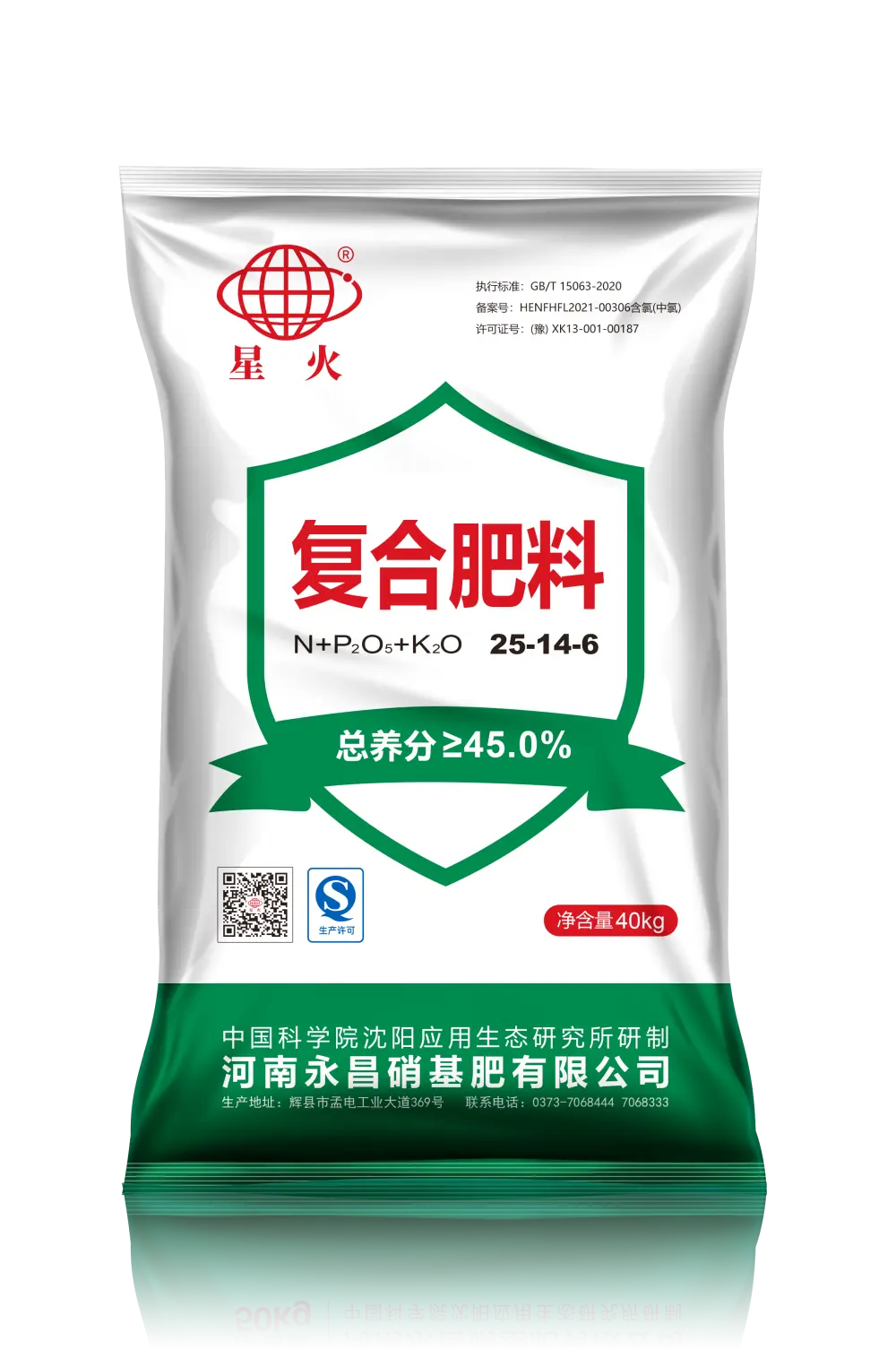
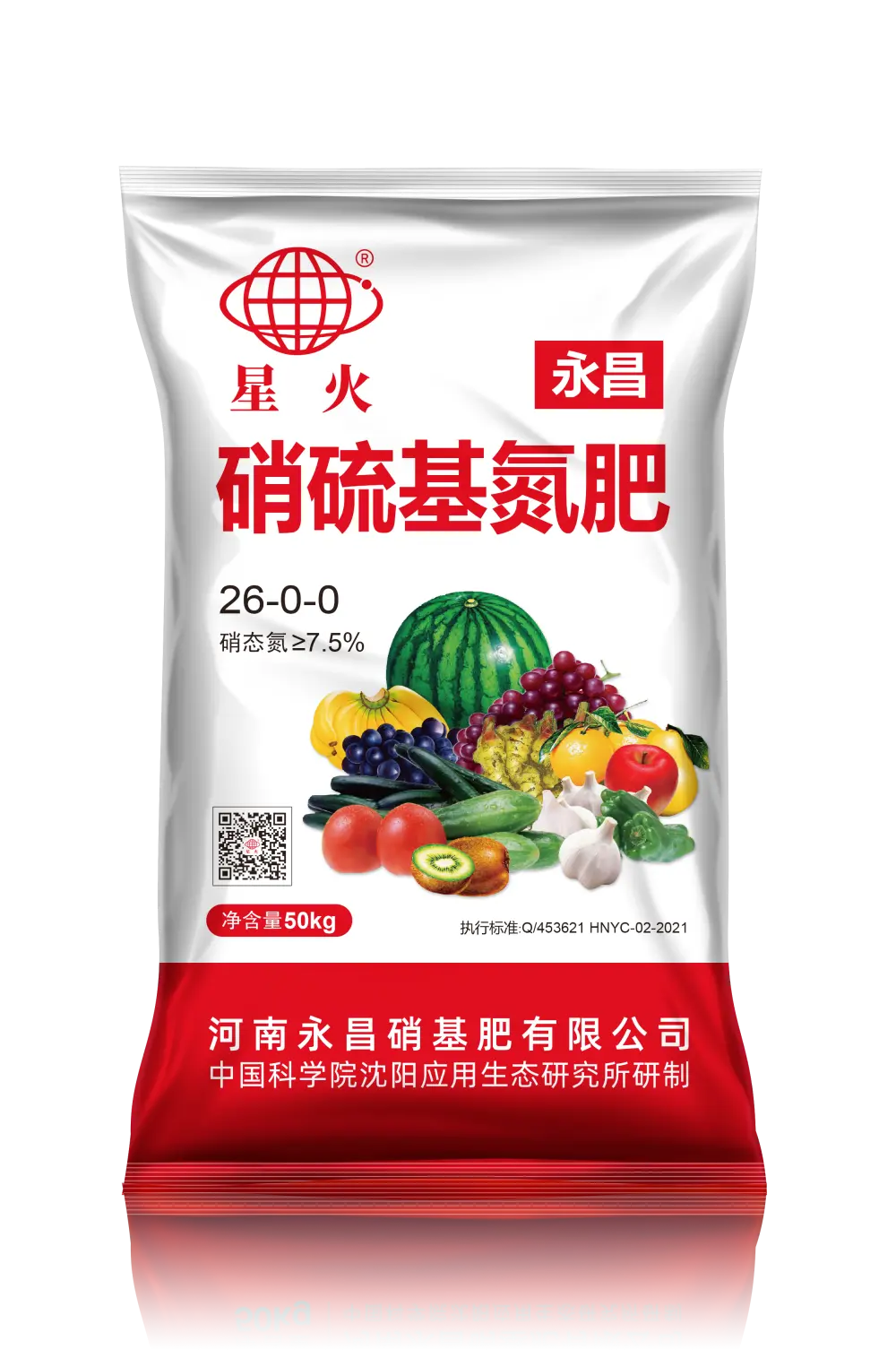
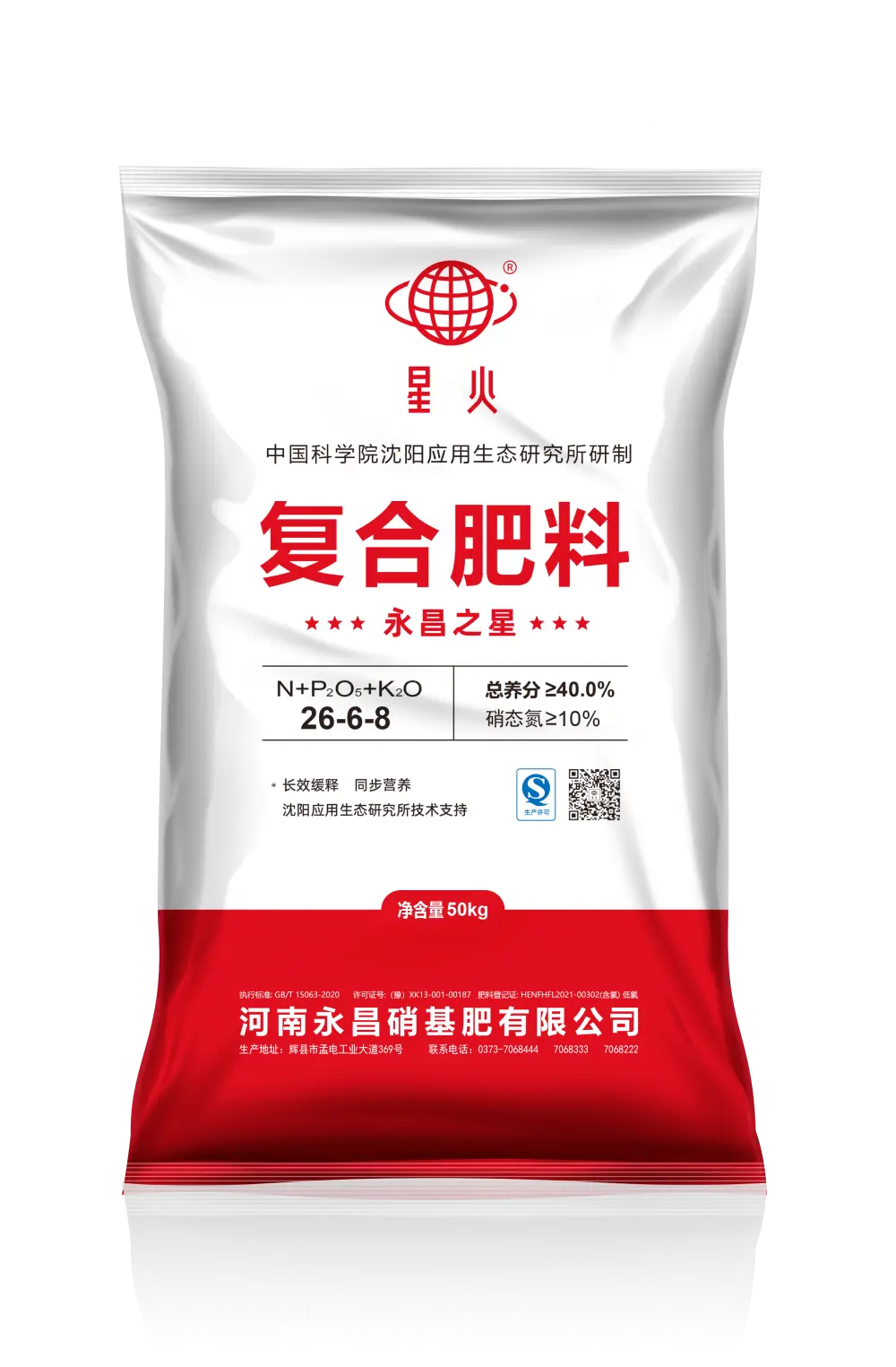
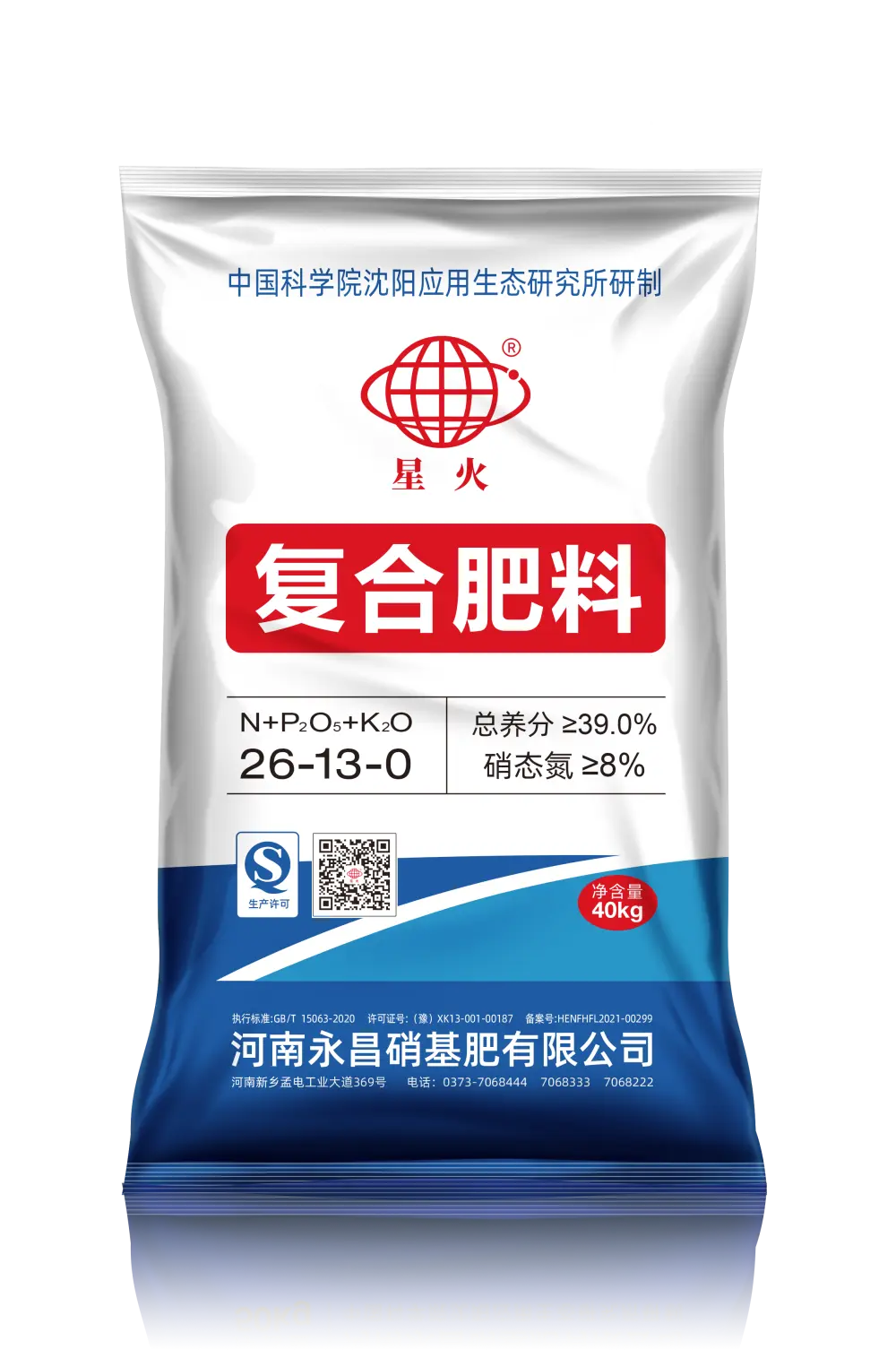
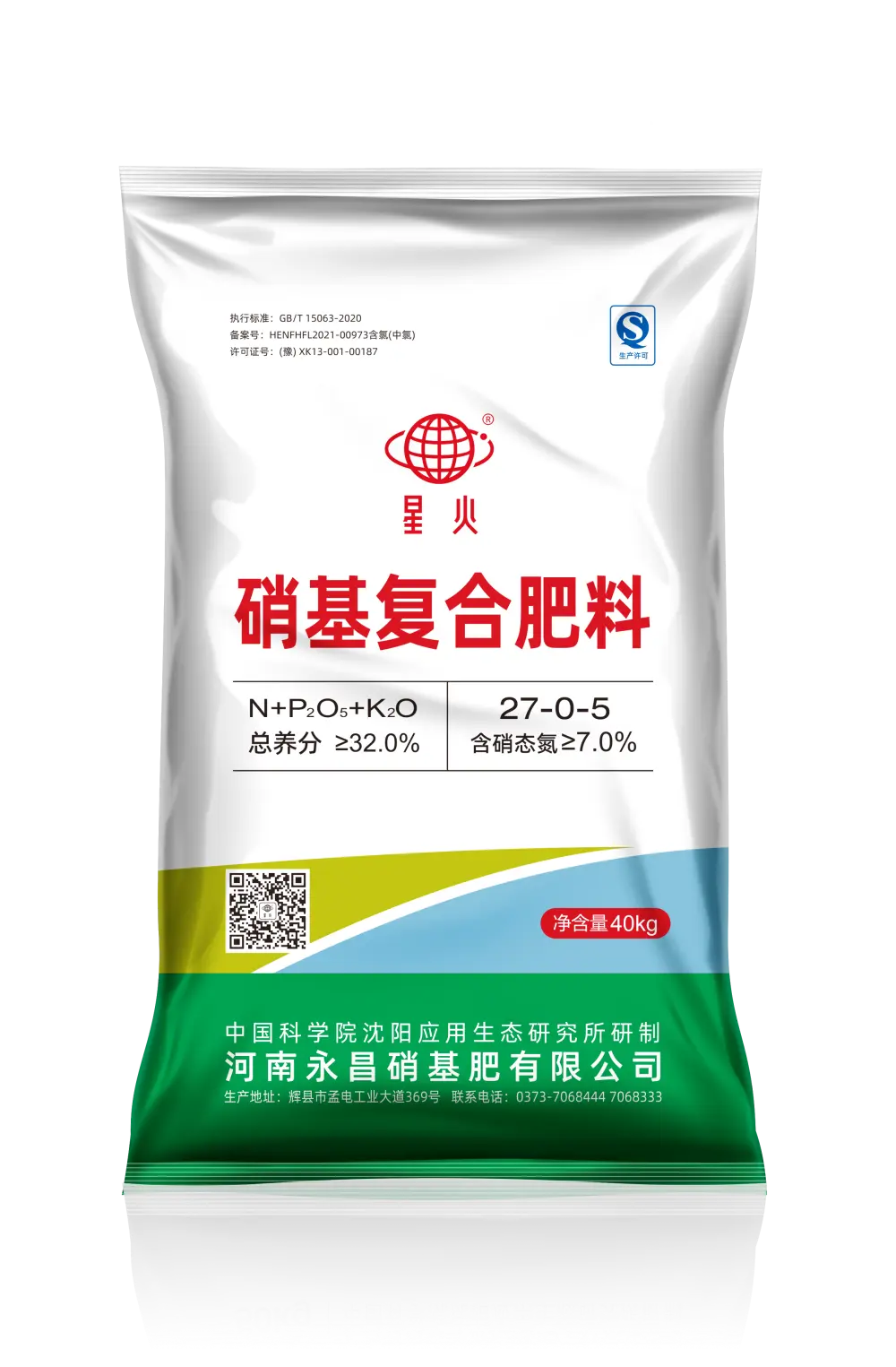
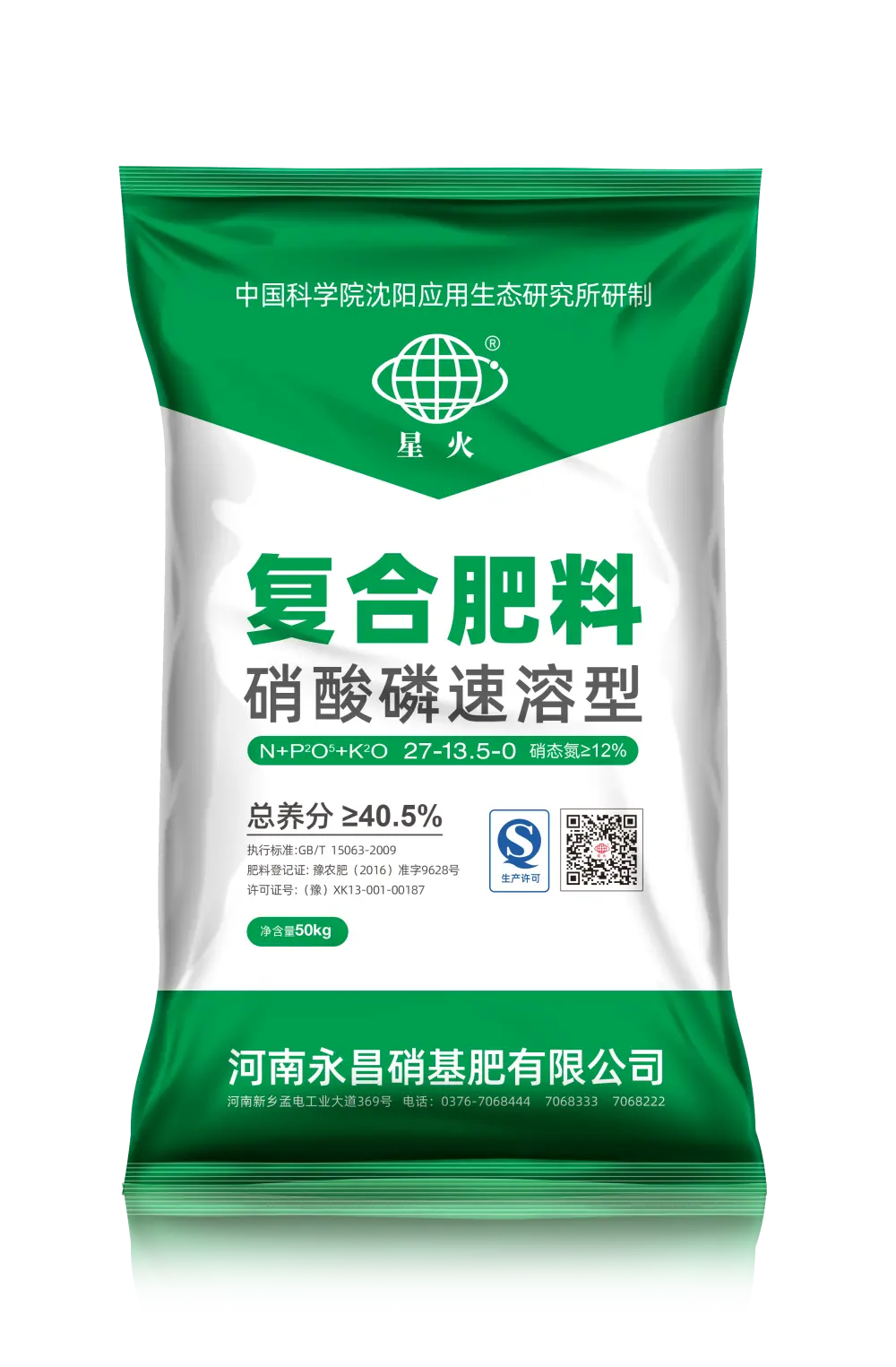
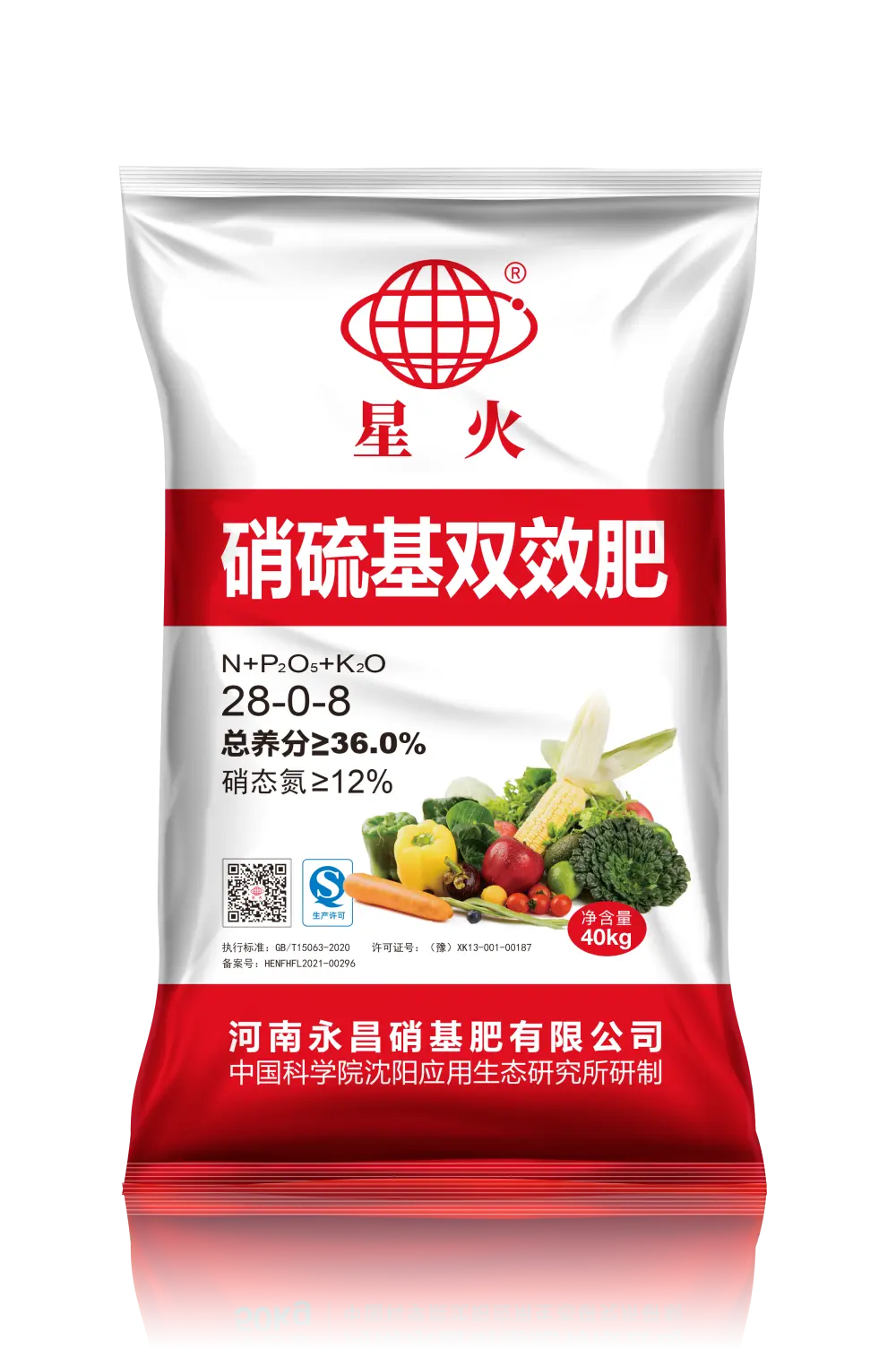
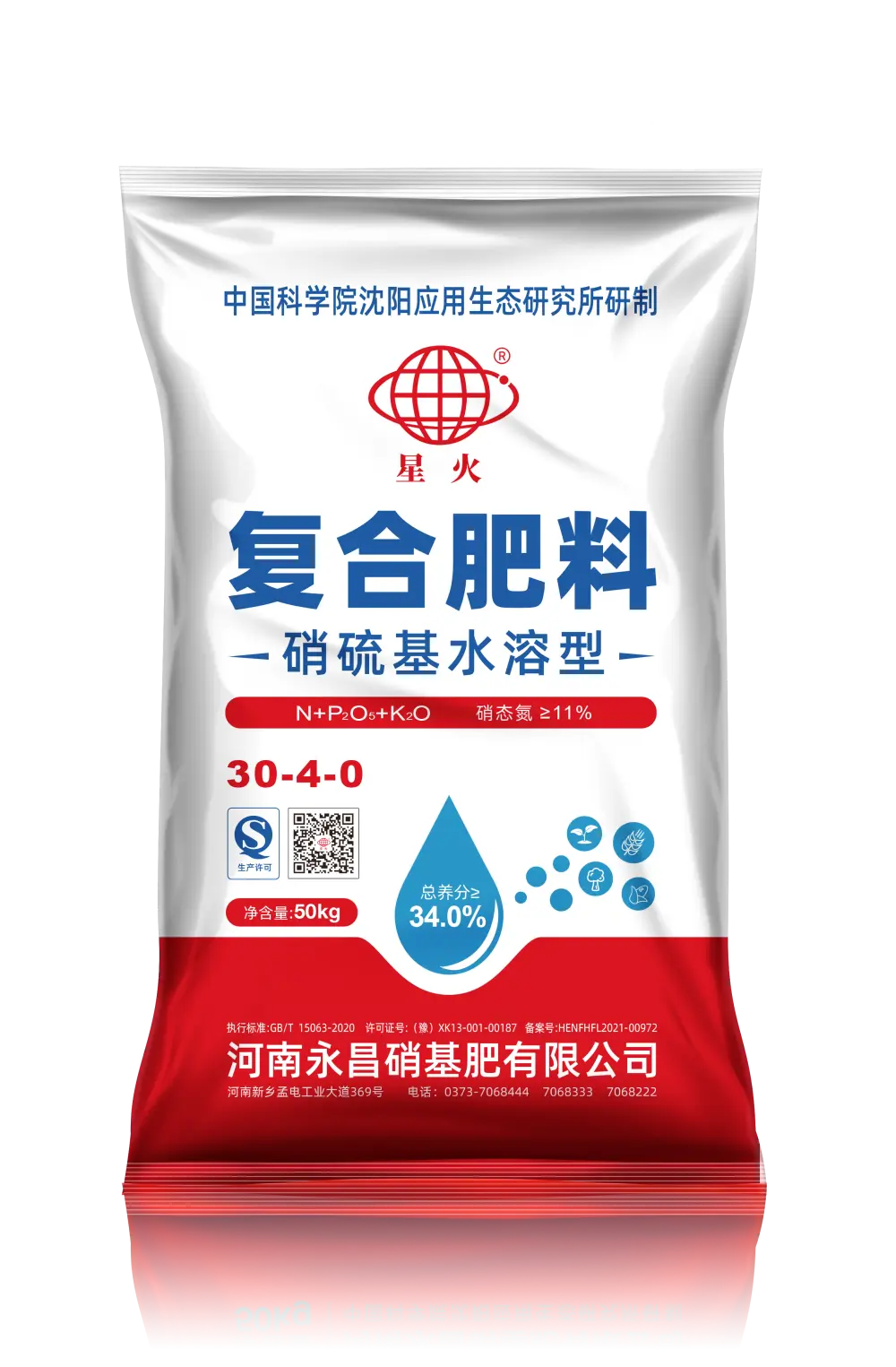
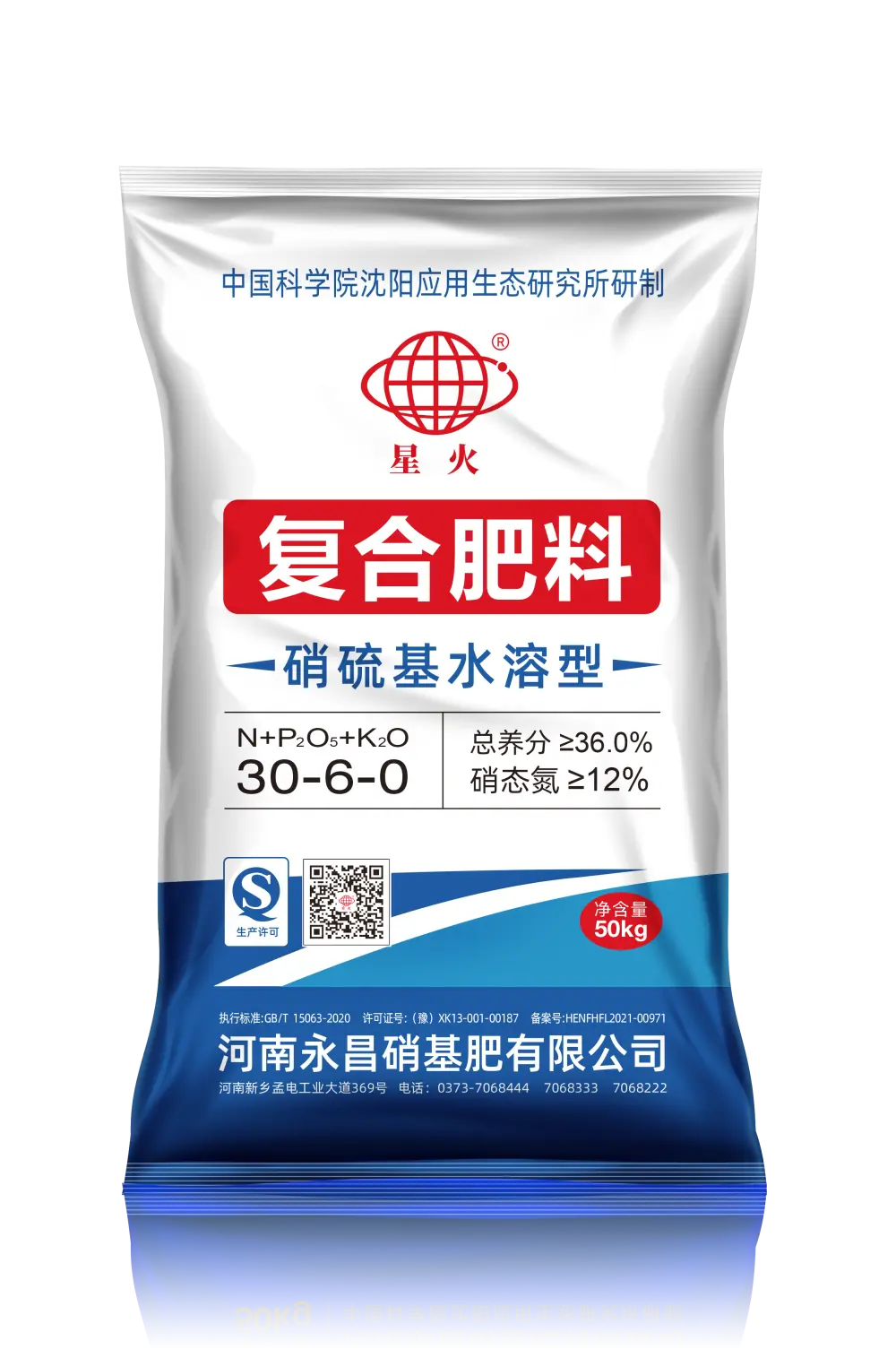
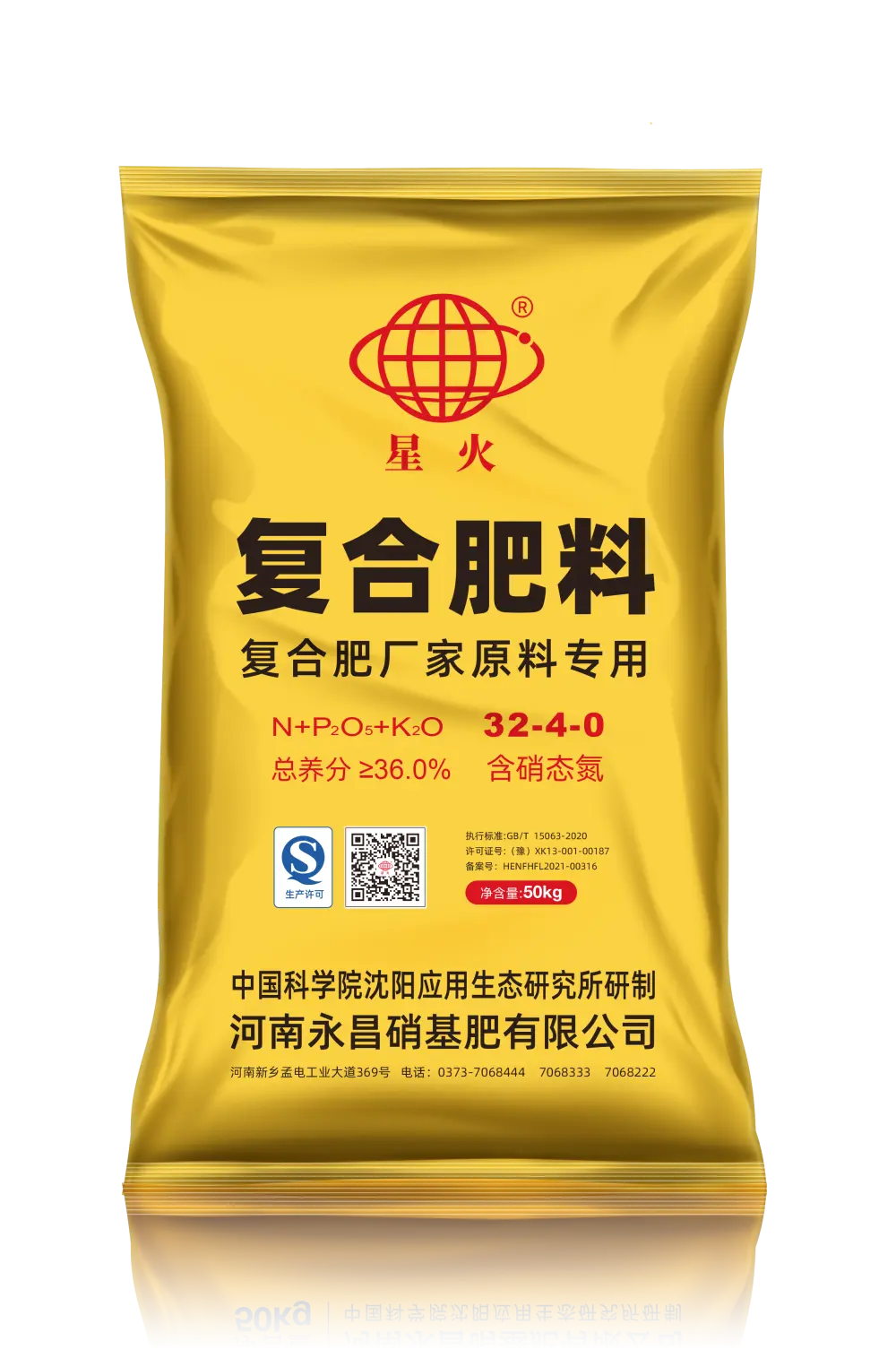
An effective OEM partnership requires understanding how chemical components interact in solution. When design blenders specify Water-Soluble Fertilizers, they must consider the physical chemistry of the salts, their solubility curves under varying temperatures, and their chemical compatibility to avoid precipitation.
Nitrogen is the primary component of plant tissue, but its chemical form affects root absorption. Nitrate-nitrogen (NO3-) is anions, which are immediately absorbed by roots without requiring additional soil transformations. It performs reliably in cold soils where bacterial conversion is slow. Conversely, ammonium-nitrogen (NH4+) is cation that binds to soil particles, offering a slower release profile. Amide nitrogen (found in Urea) must undergo hydrolysis to convert into absorbable ions. Our specialty water-soluble fertilizers blend these forms to match different crop stages.
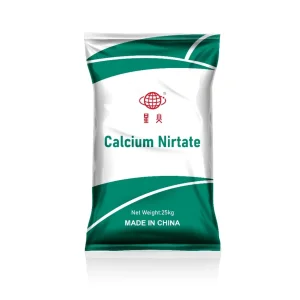
Calcium (Ca) is critical for cell wall stability and structure. However, calcium cannot move through phloem tissue; it moves passively with transpiration water. Soluble Calcium Nitrate, enriched with trace Boron, is necessary to facilitate calcium transport through cell membranes. In high-humidity greenhouses where transpiration is low, using calcium-rich WSFs helps prevent physiological disorders like blossom-end rot in tomatoes and tip-burn in leafy greens.
Trace elements like Iron (Fe), Zinc (Zn), Manganese (Mn), and Copper (Cu) precipitate in soils with pH levels above 6.5. To keep these nutrients soluble, we chelate metallic ions using agents like EDTA, DTPA, or EDDHA. This process shields the metal ions from reacting with phosphate or carbonate ions in the water system, ensuring the micronutrients remain bioavailable to the crop.
Insights from our technical R&D team on formulation compatibility, purity requirements, and supply logistics.
From fuming acids to molecular catalysts: supporting heavy manufacturing, advanced metallurgy, and modern agricultural distribution.
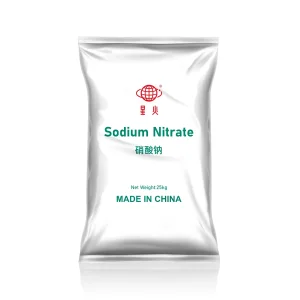
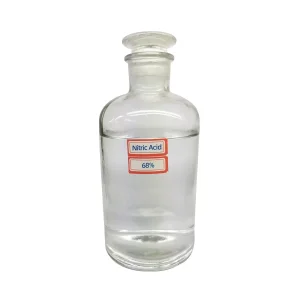

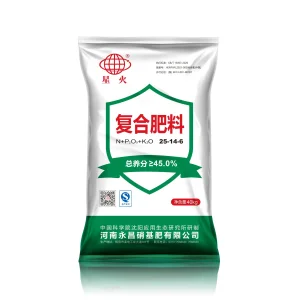
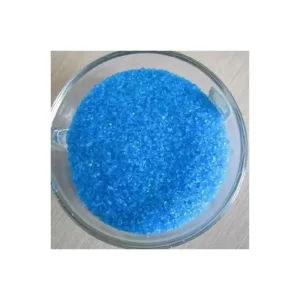
 Nitro Fertilizer