Optimized formulations designed to meet the strict environmental and soil conditions of the Southern Tablelands and Australian Capital Territory.
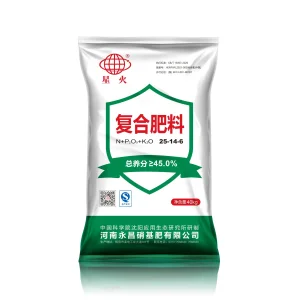
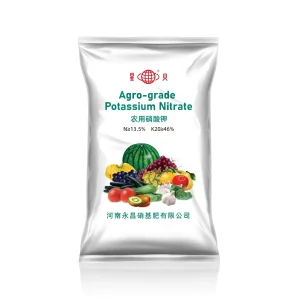
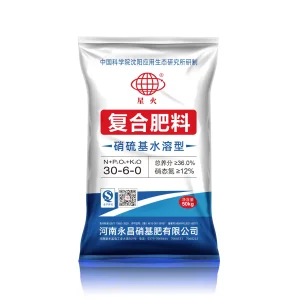
Canberra and the surrounding Southern Tablelands of New South Wales (NSW) present a unique microclimate characterized by hot, dry summers, severe winter frosts, and soils that are geologically ancient and inherently nutrient-deficient. Local soil profiles often feature low pH levels (acidic duplex soils) and are notoriously deficient in available phosphorus, nitrogen, sulfur, and calcium.
In such environments, conventional raw fertilizers fail to deliver sustainable crop performance. High-performance nitro-compound fertilizers are essential to bridge the nutrient gap. By providing both immediate-release nitrate nitrogen ($NO_3^-$) for rapid crop uptake during the cold spring start and sustained-release ammonium nitrogen ($NH_4^+$), these fertilizers minimize nitrogen volatilization and leaching—a major concern for farms in the Canberra Capital Territory.
Whether for cool-climate viticulture in Murrumbateman, intensive forage production for livestock grazing, or high-value urban agriculture within Canberra’s biosecurity zones, our engineered compound fertilizers are designed to optimize root development and boost water use efficiency under dryland conditions.
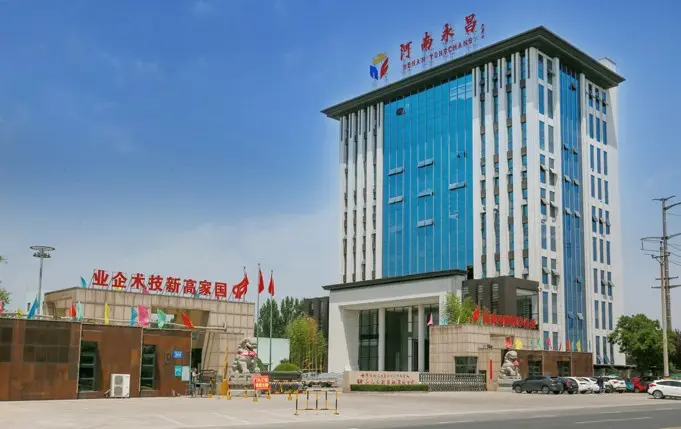
Analyzing shifts in international procurement strategies, strict regulatory frameworks, and environmental sustainability demands.
Global agricultural enterprises are shifting away from bulk raw urea towards specialty nitro-compounds that offer precise release rates. This transition reduces field volatilization by up to 40% and mitigates environmental runoff, aligning with strict environmental mandates.
Importing chemical fertilizers into Australia requires adherence to the Department of Agriculture, Fisheries and Forestry (DAFF) biosecurity protocols. Importers require heavy metal screening, dust-free granules, and structural stability to prevent caking during ocean transport.
Supply chain emissions (Scope 3) are under close scrutiny. Progressive manufacturers are actively investing in green nitric acid production processes, catalytic abatement systems, and clean energy inputs to reduce the carbon footprint per ton of chemical output.
Founded in 1974, Henan Yongchang Nitro Fertilizer has evolved over half a century from a regional innovator into an advanced chemical manufacturing powerhouse with a total annual production capacity exceeding 1,000,000 metric tons.
By vertically integrating our upstream raw chemical synthesis with downstream customized specialty fertilizer blending, we ensure exceptional control over quality, safety, and pricing.
Strict compliance with global chemical and safety regulations ensures seamless import clearance into Australia and oceanic markets.
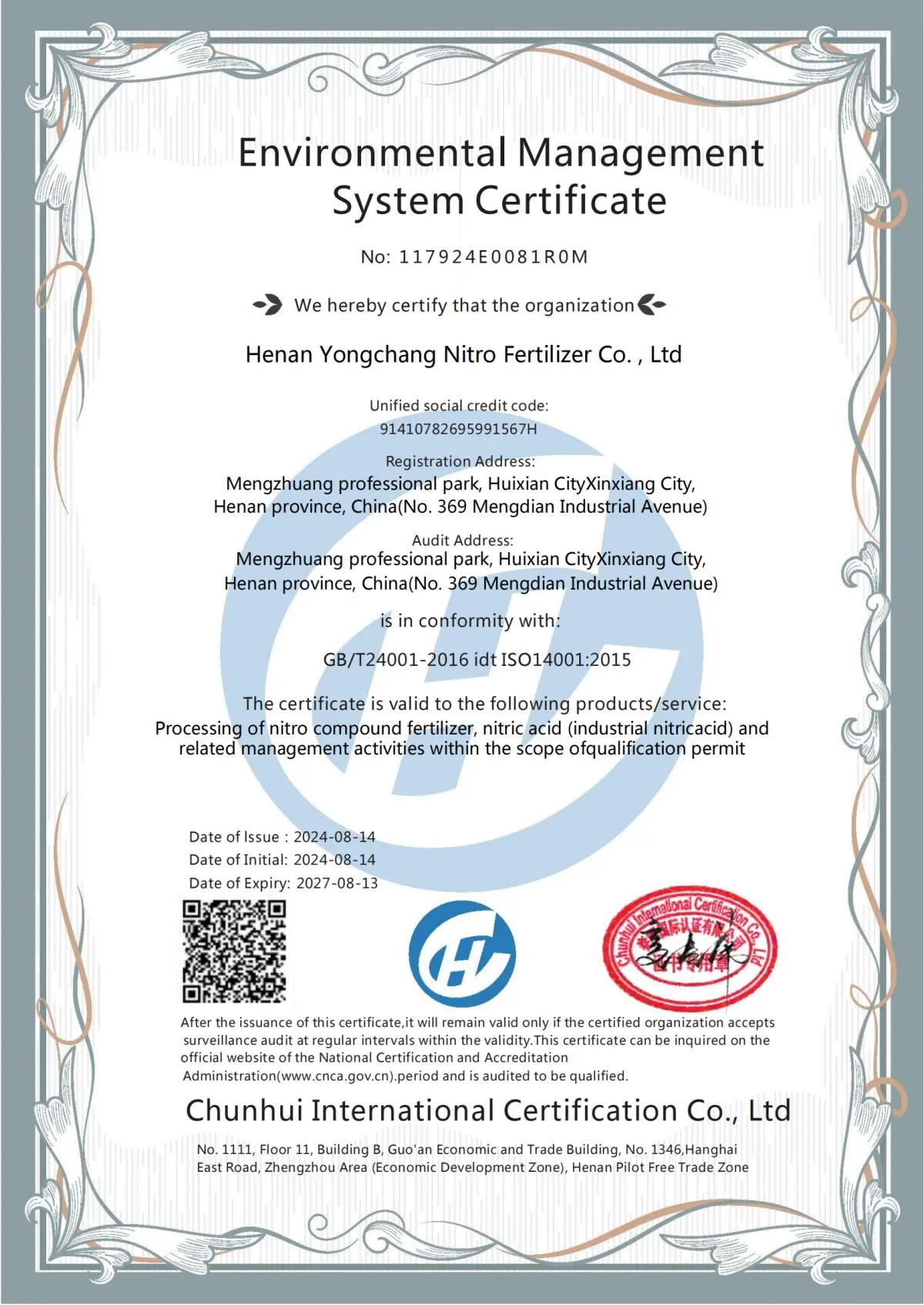
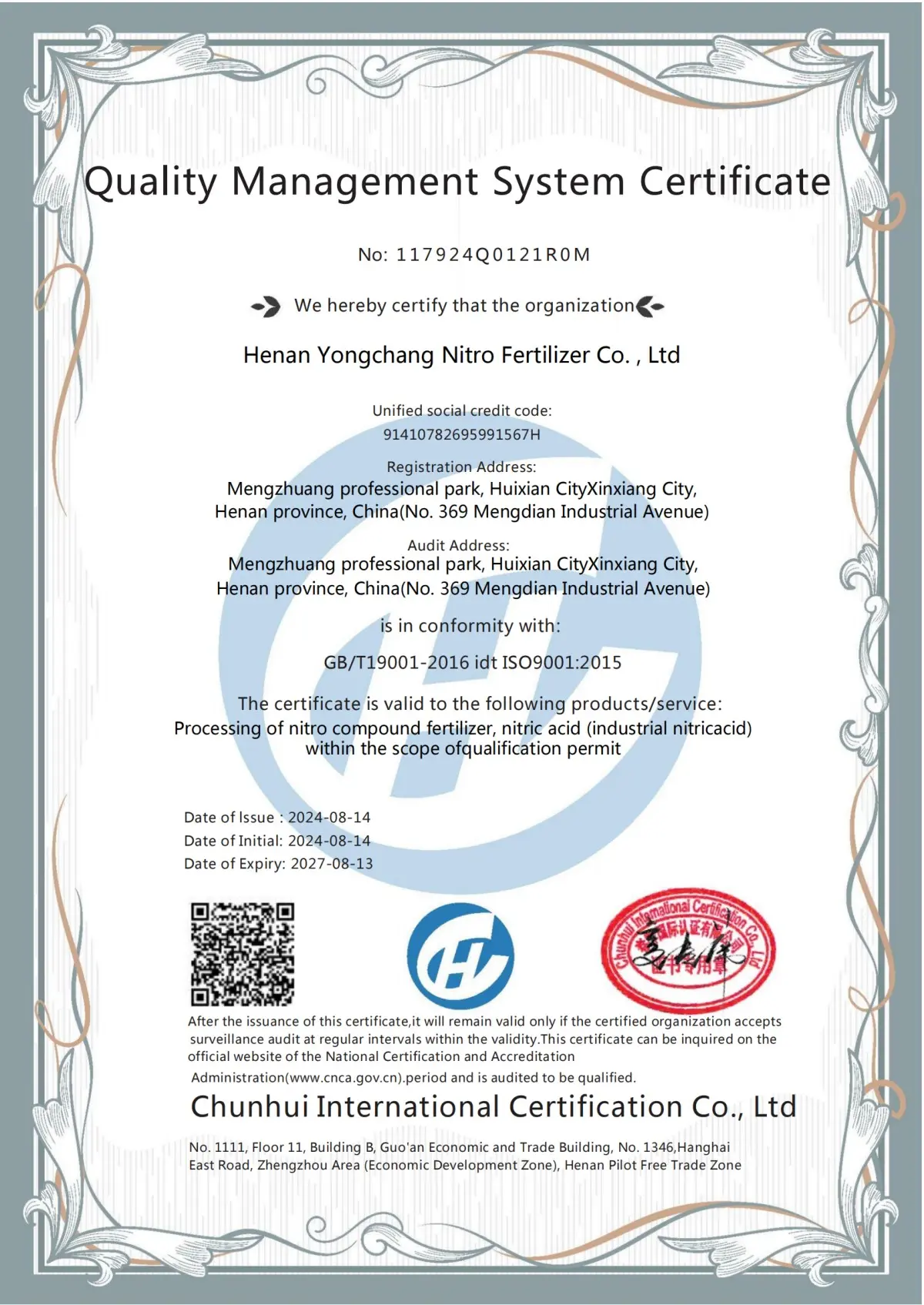

Leveraging automated chemical integration to deliver cost efficiency, product stability, and green processing standards.

Proprietary Dual-Pressure Nitric Acid synthesis systems minimize energy consumption and maintain clean emissions.

Pioneered unique nitrogen-phosphorus polymer linkages to prevent early soil locking and maximize root uptake.

National-Level testing centers customize exact N-P-K ratios with specialized trace elements like Zinc, Boron, and Calcium.
To maintain our global cost leadership and production accuracy, Henan Yongchang is actively transitioning to a fully digitalized Smart Factory 4.0 system scheduled for comprehensive deployment by 2025.
This upgrade incorporates real-time analytical chromatography on synthesis pipelines, automated packaging systems that prevent environmental moisture ingress, and predictive logistics tracking. Additionally, by deploying new-generation catalytic decomposition technology, we aim for a 30% carbon reduction in our nitric acid production loop, providing our global partners with low-carbon compound fertilizer choices.
Technical comparison of nutrient uptake mechanics between conventional fertilizers and Henan Yongchang’s advanced nitro-based products.
| Fertilizer Class | Nitrogen Forms Included | Leaching & Volatilization Risk | Cold Soil Performance (ACT Spring) | Soil pH & Heavy Metal Profile |
|---|---|---|---|---|
| Standard Granular Urea | 100% Amide ($NH_2$) | High (Requires conversion, volatile in open pastures) | Poor (Requires active soil bacteria which are sluggish below 10°C) | Slightly acidifying over long-term application cycles |
| Urease Inhibitor Blends | Amide + Inhibitors | Medium (Temporarily slows conversion) | Moderate (Temperature dependent) | Requires synthetic organic additives |
| Yongchang Nitro NPK | 50% Nitrate ($NO_3^-$) + 50% Ammonium ($NH_4^+$) | Low (Immediate nitrate uptake, structural ammonium binding) | Excellent (Nitrate is immediately absorbed by crops at low soil temps) | Neutral impact; enriched with active Calcium ($Ca$) to buffer soil acidity |
| Yongchang UAN Solution | Urea + Nitrate + Ammonium | Very Low (Direct liquid application to root zones) | Instantaneous (Triple-N formula feeds crops continuously) | Extremely low heavy metal profile; zero dust residue |
Recognizing that maritime supply chains are the lifeblood of international bulk agricultural transactions, Henan Yongchang utilizes an integrated global logistics framework. By aligning closely with major shipping networks departing from Qingdao, Tianjin, and Lianyungang, we guarantee stable, timely cargo arrivals at Port Kembla and Port of Sydney, facilitating swift inland transport to Canberra.
We provide comprehensive cargo insurance, verified safety data sheets (SDS) complying with GHS standards, and complete certification records to streamline Australian Customs and Biosecurity border clearance.

High-purity technical compounds and specialized mineral solutions engineered for demanding agricultural and industrial applications.
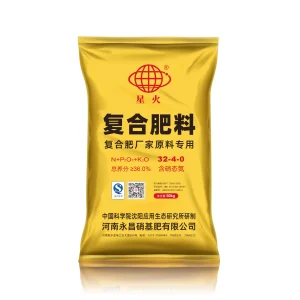
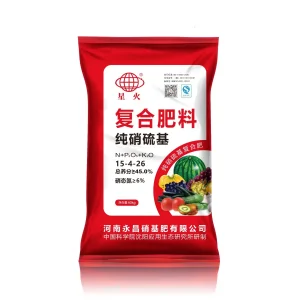
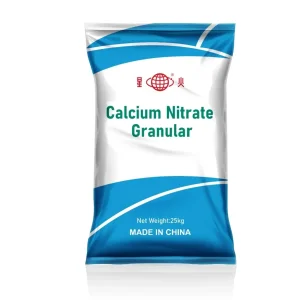
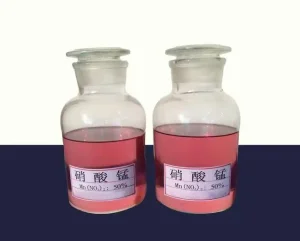
Expert technical answers regarding chemistry parameters, soil application, and shipping compliance for Australian B2B buyers.
Standard urea relies heavily on soil microbes (urease activity) to convert amide nitrogen into plant-absorbable ammonium and nitrate. In cool climates or during early spring plantings, soil temperatures frequently fall below 10°C, which halts microbial action and delays nitrogen uptake. Yongchang's Nitro-based fertilizers bypass this stage by delivering direct nitrate nitrogen ($NO_3^-$), which is immediately water-soluble and easily absorbed by the root system even in cold soils. The remaining ammonium provides sustained release as temperatures rise, minimizing conversion delays and maximizing fertilizer utilization.
Australia has some of the strictest biosecurity controls globally, overseen by the Department of Agriculture, Fisheries and Forestry (DAFF). Our manufacturing facility complies with premium ISO and FAMI-QS standards. We perform systematic screening to ensure raw materials are free from organic residues, pathogenetic vectors, and heavy metal concentrations (e.g., Lead, Cadmium, Arsenic) well below the regulatory maximum limits allowed. Every shipment is dispatched with clean, dust-free granules to prevent fine dust hazards and is accompanied by a full analysis report and phytosanitary verification documents.
Our nitro-based fertilizers are physically stabilized with advanced anti-caking coatings during production. When stored in a cool, dry, well-ventilated warehouse out of direct sunlight and sealed in our premium UV-stabilized moisture-barrier woven bags, they maintain physical and chemical integrity for over 24 months. For Australian farms and storage yards, we recommend keeping bags on pallets off the ground to prevent moisture wicking from soil or concrete floors.
Yes. Supported by our National-Level R&D Center, we can engineer custom chemical ratios to target specific crop requirements. For example, we can increase water-soluble Calcium ($Ca$) and Magnesium ($Mg$) to treat acidic soils, or incorporate trace levels of Zinc ($Zn$), Boron ($B$), and Manganese ($Mn$) to prevent localized micronutrient deficiencies. Our automated blending systems maintain batch-to-batch consistency with a margin of error of less than 0.5% per nutrient component.
Production cycles generally require 7 to 14 days, depending on the complexity of the formulation and the ordered volume. Overland logistics to major Chinese shipping ports (Qingdao/Tianjin) take 2 to 3 days, followed by a maritime voyage to the Sydney or Port Kembla terminals of approximately 14 to 20 days. Standard total lead times from order confirmation to arrival in Canberra range between 30 and 45 days. We encourage all commercial growers and distributors to arrange seasonal procurement early to ensure timely delivery before seasonal planting begins.
Maximize crop yields, secure competitive bulk pricing, and ensure supply chain stability with Henan Yongchang’s half-century of technical expertise.
Direct access to technical engineers | OEM & Custom Blends Available | Compliance Certified for Australia
 Nitro Fertilizer