How to Use Liquid Nitrogen for Corn Production?

Time:2026-06-10 Author:Ethan
0%

Liquid Nitrogen For Corn has gained significant attention in modern agriculture. This method enhances corn yield and improves crop health. According to a 2022 report by the American Society of Agronomy, the application of liquid nitrogen can boost corn production by up to 15%. These findings highlight the critical role of nitrogen in plant growth.

Dr. Lisa Thompson, an agricultural expert at the University of Nebraska, emphasizes, “Using liquid nitrogen efficiently can redefine corn farming.” Her insights underscore the need for precision in application. Mismanagement can lead to excess runoff, harming the environment. This persistent challenge necessitates careful planning in the use of liquid nitrogen.

Farmers are increasingly exploring innovative methods in corn farming. Incorporating liquid nitrogen can be a game changer, yet it requires meticulous attention. Balancing the right amount is vital. The goal is clear: maximize yield while minimizing environmental impact. Understanding and adapting to these dynamics is essential for sustainable agriculture.
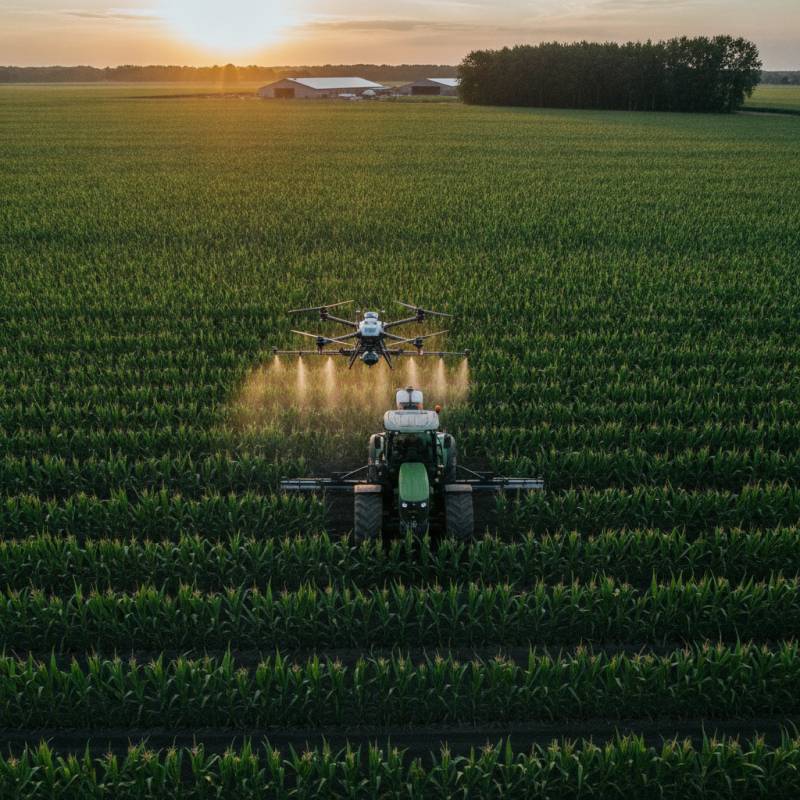
How to Use Liquid Nitrogen for Corn Production?

Overview of Liquid Nitrogen and Its Role in Agriculture

Liquid nitrogen (LN2) has gained attention in agriculture, particularly for enhancing corn production. Its use promotes quicker nutrient absorption in plants, which can lead to improved growth rates. This is primarily due to its ability to rapidly cool seeds, resulting in germination perks when conditions are otherwise suboptimal. A study from the Agricultural Research Service noted that LN2 treatment could increase corn yields by as much as 25%.

Incorporating liquid nitrogen into corn farming requires careful consideration. Experts recommend using it in small, controlled amounts. Overuse can harm the soil’s health. A report from the American Society of Agronomy highlighted that proper application techniques help maintain soil integrity while providing the necessary nutrients. Farmers should regularly test soil before and after LN2 application.

**Tip**: Before applying LN2, conduct a soil nutrient analysis. This ensures that you meet the specific needs of your corn crop. Additionally, timing the application is crucial. Late spring is a preferred window, as soil temperatures begin to rise and plants can utilize the nitrogen effectively. Monitor corn growth closely; over-reliance on nitrogen could lead to diminishing returns if not managed properly.

How to Use Liquid Nitrogen for Corn Production? - Overview of Liquid Nitrogen and Its Role in Agriculture

Aspect Description Benefits
Liquid Nitrogen Application Used for quick cooling and storage of seeds and crops. Prevents spoilage and maintains seed viability.
Fertilizer Use Liquid nitrogen can be applied as a fertilizer in a controlled manner. Enhances corn growth and increases yields.
Soil Interaction Improves soil nutrient availability when properly managed. Increases soil fertility and productivity.
Crop Stress Mitigation Reduces heat stress during critical growth stages. Improves plant health and resilience.
Environmental Impact Can minimize the carbon footprint when used wisely. Supports sustainable agricultural practices.

Benefits of Using Liquid Nitrogen in Corn Production

Using liquid nitrogen in corn production offers several compelling benefits. It enhances nutrient absorption, leading to healthier crops. This nutrient boost can result in higher yields, making it an attractive option for farmers. Additionally, liquid nitrogen can improve the efficiency of water usage. When applied correctly, it minimizes evaporation and promotes optimal growth conditions.

Tips for using liquid nitrogen effectively include applying it when soil temperatures reach specific thresholds. This timing helps maximize nutrient uptake by corn plants. Regular monitoring of soil moisture can prevent over-application. Check the soil’s condition to avoid any negative impacts on the crop.

Farmers must be cautious. Liquid nitrogen is powerful but can be misapplied. Overuse may harm plants instead of helping them. Understanding proper application rates is critical. It's vital to educate yourself continuously on best practices for its use in agricultural settings.

Step-by-Step Guide to Applying Liquid Nitrogen to Corn Fields

Applying liquid nitrogen to corn fields can enhance crop yields significantly. Research shows that properly applied nitrogen can increase corn production by 15-20%. Liquid nitrogen is an efficient source, providing a quick nutrient boost.

To start, calibrate your equipment. Ensure the application rate is accurate. Too much nitrogen can harm plants and leach into the water supply. Consider soil tests before application. This helps determine the appropriate nitrogen needs based on existing soil nutrients.

Timing is crucial. Apply liquid nitrogen when corn reaches the V4 to V6 growth stage. This is when the plants can best utilize the nitrogen. Monitor weather conditions, as rain can wash away the applied nitrogen.

Adjust your strategy based on crop response. Regular assessments will help you refine your application methods for better results.

Best Practices for Storing and Handling Liquid Nitrogen

Storing and handling liquid nitrogen requires careful attention to ensure safety and efficiency in its use for corn production. Proper storage is critical. Liquid nitrogen should be kept in specialized, insulated containers that minimize evaporation and ensure a stable supply. According to a report by the American Society of Agricultural and Biological Engineers, improper storage can lead to a 15% loss of nitrogen over time due to evaporation.

When handling liquid nitrogen, personal protective equipment is essential. Gloves and goggles must be worn to prevent skin and eye injuries due to extreme cold. It's also vital to work in well-ventilated areas. The Occupational Safety and Health Administration recommends maintaining nitrogen concentrations below 5,000 ppm in the air to prevent hypoxia.

Tips: Always check valves and connections for leaks. Ensure that tanks are filled to the correct levels. Perform regular maintenance checks to prevent accidents. An internal review can help identify any gaps in safety protocols. Continuous training for all Team Members can greatly enhance safety practices.

Safety Considerations When Using Liquid Nitrogen in Farming

Liquid nitrogen can be beneficial in corn production, but safety is paramount. When using liquid nitrogen, wearing protective gear is crucial. This includes gloves, goggles, and face shields. The extreme cold can cause severe frostbite on skin and eyes. According to the National Safety Council, over 2,000 nitrogen-related injuries occur yearly, highlighting the need for caution.

Proper handling and storage of liquid nitrogen are vital to ensure safety. Workers should be trained in emergency response. In enclosed spaces, the risk of asphyxiation increases due to nitrogen's lack of odor and color. The Centers for Disease Control and Prevention recommend venting these areas before use. Even in well-ventilated spaces, monitor nitrogen levels to avoid potential hazards.

An effective strategy involves using a nitrogen flow control system. This reduces risks by allowing a gradual release of nitrogen. Keeping emergency equipment nearby, such as eyewash stations and safety showers, is also essential. Regular safety drills can help prepare workers for unexpected incidents. Continuous training ensures that everyone understands the risks. Prioritizing safety can prevent serious injuries and improve overall efficiency in corn production.

Impact of Liquid Nitrogen on Corn Yield

FAQS

: What is liquid nitrogen's role in agriculture?

: Liquid nitrogen enhances nutrient absorption in plants, promoting better growth and increased yields, especially in corn.

How does liquid nitrogen affect corn production?

It can boost corn yields by up to 25% by improving germination under less-than-ideal conditions.

How should liquid nitrogen be applied?

Use small, controlled amounts and conduct soil tests before and after application to maintain soil health.

When is the best time to apply liquid nitrogen?

Late spring is ideal, as rising soil temperatures help maximize nutrient uptake by corn plants.

What impact does liquid nitrogen have on water usage?

It can improve water efficiency by minimizing evaporation, supporting optimal growth for crops.

What should farmers monitor when using liquid nitrogen?

Regularly check soil moisture and crop growth to avoid over-application, which can harm the plants.

What is a potential risk of using liquid nitrogen?

Overuse can damage soil health and lead to reduced crop yields if not managed properly.

Why is understanding application rates important?

Incorrect rates can lead to plant harm, emphasizing the need for education on best practices.

How can soil nutrient analysis help farmers?

It ensures the specific needs of the corn crop are met before applying liquid nitrogen.

What happens if liquid nitrogen is misapplied?

It may negatively impact crops, underscoring the need for cautious and informed application practices.

Conclusion

The article "How to Use Liquid Nitrogen for Corn Production" explores the benefits and application of liquid nitrogen in enhancing corn yield. Liquid nitrogen plays a crucial role in agriculture by providing essential nutrients that promote plant growth and improve crop quality. The benefits of using liquid nitrogen for corn production include increased growth rates, enhanced disease resistance, and higher overall yields.

In the article, a step-by-step guide is provided to assist farmers in effectively applying liquid nitrogen to their corn fields, emphasizing best practices for storage and handling. Additionally, safety considerations are highlighted to ensure a secure working environment when utilizing liquid nitrogen. Overall, the article serves as a comprehensive resource for farmers looking to implement liquid nitrogen for corn in their agricultural practices, maximizing productivity while maintaining safety standards.


Ethan

Ethan

Ethan is a seasoned marketing professional with a deep expertise in our company's innovative product line. With a passion for sharing knowledge and insights, he takes the lead in regularly updating our corporate blog, where he explores industry trends, product features, and effective marketing......