What Are the Top High Nitrogen Fertilizer Suppliers?

Time:2026-10-22 Author:Henry
0%

Choosing the right High Nitrogen Fertilizer supplier can affect crop growth, application costs, and harvest consistency. Yet, supplier quality is not measured by price alone.

This guide examines leading manufacturers, regional distributors, and specialized agricultural suppliers. It compares nitrogen concentration, product purity, packaging, delivery reliability, and technical support. Common products include urea, ammonium nitrate, calcium ammonium nitrate, and liquid nitrogen solutions. Each product behaves differently in soil and weather conditions. That matters.

Reliable suppliers usually provide clear product labels, safety data sheets, batch information, and laboratory test results. Experienced buyers also check whether the supplier understands local crops, storage conditions, and application equipment. A strong supplier should explain timing, dosage, and possible nitrogen losses without promising unrealistic yield increases. Independent agronomists and verified customer feedback can strengthen this assessment.

There is no universal ranking.

A supplier trusted by large farms may not serve small growers well. Freight distance can also change the final cost significantly. A low quoted price may hide weak packaging, delayed delivery, or limited after-sales support. These practical details deserve careful attention.

The sections ahead evaluate supplier reputation, manufacturing capacity, product range, certifications, regional availability, and customer service. They also consider sustainability, because nitrogen losses can harm water quality and reduce farm efficiency. Information should be checked against current supplier documents and local agricultural guidance. Markets change, and even reputable companies can vary by region or season. This comparison aims to provide a dependable starting point, not an unquestionable verdict.
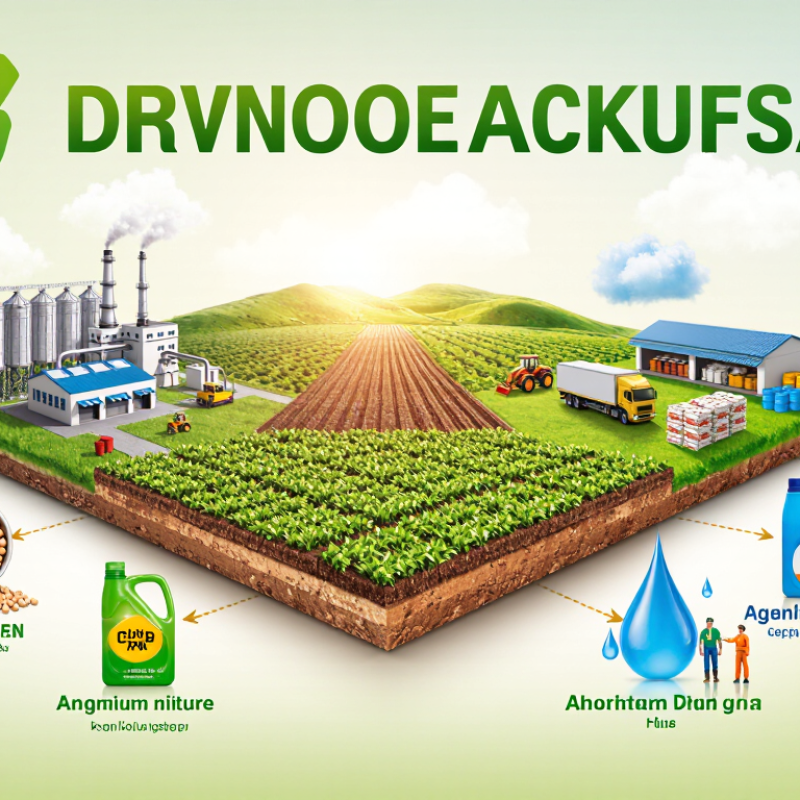
What Are the Top High Nitrogen Fertilizer Suppliers?

What Are High-Nitrogen Fertilizers and Why Are They Important?

High-nitrogen fertilizers supply nutrients that plants need for rapid, healthy growth. Nitrogen supports chlorophyll, leaf formation, and protein production. Without enough nitrogen, older leaves often turn pale yellow. Growth may also become thin and slow. High-nitrogen products usually include urea, ammonium sulfate, ammonium nitrate, or calcium ammonium nitrate. Each material behaves differently in soil.

Nitrogen matters most during early vegetative growth and before major yield development. A vegetable crop may need steady nitrogen for broad, green leaves. Corn can require strong nitrogen availability before rapid stem extension. However, more fertilizer does not always mean better results. Excess nitrogen can produce weak stems, delayed maturity, or nutrient losses through runoff and air emissions. Timing matters.

Soil testing should guide the application rate. Weather matters too. Applying urea before heavy rain can waste part of the nutrient. Dry soil may also slow nutrient movement toward roots. Reliable suppliers should provide clear nutrient analysis, handling instructions, and batch information. They should also explain suitable application methods for local soil conditions. In practice, fertilizer decisions are rarely perfect. A grower may follow a soil report and still need to adjust after observing leaf color, rainfall, and crop vigor. That ongoing observation is easy to underestimate.

How to Evaluate High-Nitrogen Fertilizer Suppliers

Evaluating a high-nitrogen fertilizer supplier requires more than comparing the nitrogen percentage on a bag. In field purchasing, I check whether the stated analysis matches independent laboratory results and current product specifications. Ask for recent certificates of analysis, production dates, batch numbers, and documented testing methods. Small details matter. A reliable supplier should explain whether nitrogen comes from urea, ammonium, nitrate, or a blended formulation. That distinction affects crop timing, volatilization risk, storage, and application planning.

Supplier experience becomes visible in practical support. Can its agronomists interpret soil tests and recommend rates without pushing unnecessary volume? Look for staff credentials, regional trial data, and clear guidance for different crops and climates. I also review complaint procedures, response times, and replacement policies before signing a contract. A polished website is not proof. Visit the facility when possible, inspect storage conditions, and ask how moisture, contamination, and caking are controlled. I once treated fast delivery as the main advantage; that judgment was incomplete. Inconsistent granule size later created uneven spreading and extra field passes.

Reliability includes supply continuity, transparent pricing, and traceable transportation records. Request references from comparable farms, but verify them independently. Check whether invoices, labels, safety documentation, and local compliance records agree. Responsible suppliers discuss runoff prevention and safe handling instead of promising dramatic yield increases. Be cautious with vague guarantees. A strong evaluation balances laboratory evidence, technical competence, communication, and observed performance over time. Still, no checklist removes every risk; seasonal shortages and weather can expose weak planning.

Major Global High-Nitrogen Fertilizer Suppliers

Major global high-nitrogen fertilizer suppliers operate around gas, ammonia, and urea production hubs. China, India, Russia, the United States, Canada, and Gulf-region countries remain important supply centers. Their advantages differ. Some rely on large domestic gas networks. Others benefit from low-cost export terminals and deep-water ports.

The International Fertilizer Association reported global nitrogen demand above 110 million tonnes of nutrient annually in its 2024 outlook. Urea represents a major share of this volume. The International Energy Agency also identifies ammonia production as highly energy intensive. Natural gas can account for most of the variable cost in conventional production. This makes supplier rankings unstable. A cold winter, pipeline disruption, or export restriction can quickly change delivered prices. Data from the Food and Agriculture Organization shows continuing fertilizer demand across major grain-producing regions, although application rates vary sharply by crop and income level.

Tips: Buyers should compare nutrient content, freight distance, granulation quality, and delivery reliability. A low quoted price may hide port delays or costly inland transport. Check recent customs data and independent quality certificates. Do not judge capacity alone. A large plant may still face maintenance shutdowns or feedstock shortages. One practical weakness remains: public production figures often mix planned capacity with actual output. Treat forecasts carefully, and request shipment records when possible. Farmers should also test soil before applying high-nitrogen products, because excess nitrogen can reduce efficiency and increase nutrient losses.

Regional Supplier Strengths and Product Specialties

Regional supplier strengths often reflect local feedstock, energy access, and farming conditions. North American suppliers commonly offer urea, anhydrous ammonia, and liquid UAN solutions. Their strengths include large storage networks, rail access, and detailed nutrient analysis. These systems suit broad-acre farms that need predictable spring deliveries. However, transport delays can still disrupt tight application schedules.

European suppliers often specialize in ammonium nitrate, calcium ammonium nitrate, and stabilized products. These fertilizers support precise spreading across wheat, barley, and grassland farms. Strict production controls may provide reliable granule size and clear safety documentation. Buyers should still inspect regional rules, because product access and handling requirements vary. Compliance paperwork does not replace independent batch testing.

Middle Eastern suppliers frequently have strong capacity for urea and ammonia-based fertilizers. Their advantage often comes from efficient gas access and export logistics. Asian suppliers may provide coated urea, compound fertilizers, and small-pack products for intensive crops. Latin American suppliers can be valuable for blended products adapted to sugarcane, coffee, and soybean production. Local agronomists matter here. A laboratory report may look excellent, yet field performance can change with soil moisture, temperature, and spreading equipment. Supplier comparisons should include delivered cost, granule durability, sampling procedures, storage conditions, and technical support. The cheapest quotation is not always the most practical choice. Mistakes happen. A second soil test can prevent an expensive application error.

How to Choose the Best High-Nitrogen Fertilizer Supplier

Choosing a high-nitrogen fertilizer supplier starts with more than a low quoted price. Ask for a current certificate of analysis for each product and batch. It should show total nitrogen, nitrogen forms, moisture, particle size, and contaminant limits. A reliable supplier explains whether nitrogen is nitrate, ammonium, urea, or a controlled-release blend. That chemistry affects crop response, leaching risk, and application timing. The best option depends on your soil and crop.

Check technical support before signing a contract. A qualified advisor should interpret soil tests, review irrigation water, and calculate a practical application rate. Request trial data from crops grown in similar conditions, not only greenhouse results. Visit the warehouse if possible. Dry, uniform granules should arrive in sealed, labeled packaging, with traceable batch numbers. Ask about lead times, transport damage, storage guidance, and replacement procedures. Small operational details often expose weak quality control.

Price still matters, but compare cost per unit of available nitrogen. Include freight, blending fees, application losses, and minimum order requirements. Suppliers should provide safety documentation and follow applicable agricultural regulations. Be cautious when a salesperson promises dramatic yield increases without local evidence. I have seen recommendations fail when a product suited to sandy soil was applied to heavy clay. That is a useful warning. Leave room for review. Start with a measured field section, record plant color, tissue nitrogen, yield, and soil changes, then adjust future orders. No supplier is perfect; transparent correction matters more than confident claims.

What Are the Top High Nitrogen Fertilizer Suppliers? – How to Choose the Best High-Nitrogen Fertilizer Supplier

Fertilizer Type Typical N-P-K Grade Nitrogen Content Physical Form Key Characteristics Best-Fit Application Supplier Evidence to Request
Urea 46-0-0 46% total nitrogen Prills or granules One of the highest-analysis solid nitrogen fertilizers; nitrogen is primarily in amide form and can be lost as ammonia if surface-applied without timely incorporation or adequate rainfall. Field crops, pasture, and blended fertilizer programs where high nitrogen concentration and efficient transport are priorities. Certificate of analysis, biuret percentage, particle-size distribution, moisture level, caking specifications, and storage recommendations.
Ammonium Nitrate 34-0-0 Approximately 34% total nitrogen Granules or prills Contains both ammonium and nitrate nitrogen, providing immediately available nitrate nitrogen; storage, handling, and regulatory controls are especially important. Situations requiring rapid nitrogen availability, subject to local regulations and approved handling procedures. Regulatory compliance documentation, safety data sheet, product purity, granulation quality, packaging standards, and transport controls.
Calcium Ammonium Nitrate 27-0-0 Approximately 27% total nitrogen Granules Provides ammonium and nitrate nitrogen and includes a calcium-containing component; generally easier to handle than higher-analysis nitrate products. Broad-acre crops and regions where dependable granular application and rapid nitrogen availability are required. Declared nitrogen forms, calcium content, granule strength, dust level, product uniformity, and applicable fertilizer registration.
Ammonium Sulfate 21-0-0 plus sulfur Approximately 21% total nitrogen Crystalline solid or granules Supplies ammonium nitrogen and sulfur; repeated use can contribute to soil acidification, so soil pH and sulfur requirements should be evaluated. Crops with sulfur needs and soils where an ammonium-based nitrogen source is agronomically appropriate. Nitrogen and sulfur assay, free-acid level, particle-size data, impurity limits, moisture content, and compatibility information.
Urea Ammonium Nitrate Solution 28-0-0, 30-0-0, or 32-0-0 28%, 30%, or 32% total nitrogen Liquid solution Contains a mixture of urea, ammonium, and nitrate nitrogen; requires compatible tanks, pumps, hoses, and application equipment. Liquid-fertilizer systems, fertigation where permitted, and accurate spray or injection applications. Guaranteed analysis, density, crystallization temperature, corrosion guidance, tank-life recommendations, and delivery temperature controls.
Anhydrous Ammonia 82-0-0 Approximately 82% nitrogen Pressurized liquid that vaporizes to gas The highest-analysis common nitrogen fertilizer; must be injected into soil using specialized equipment and strict safety procedures. Large-scale agricultural operations equipped and authorized to handle pressurized ammonia safely. Applicable licenses, safety and emergency procedures, equipment compatibility, delivery-pressure requirements, and regulatory documentation.

Selection note: N-P-K grades express the percentage by weight of nitrogen (N), available phosphate as P2O5, and soluble potash as K2O. Actual product specifications, permitted uses, storage rules, and transport requirements should be verified through the supplier’s current certificate of analysis, safety data sheet, and applicable local regulations.

FAQS

What does a high-nitrogen fertilizer do for plants?

It supports chlorophyll, leaf growth, and protein production. Plants may develop broader, greener leaves. Older leaves can turn pale yellow when nitrogen is low.

When do crops usually need more nitrogen?

Demand often rises during early vegetative growth. Corn may need strong availability before rapid stem extension. Vegetables often need steady supply before yield development.

Can too much nitrogen harm a crop?

Yes. Excess nitrogen may create weak stems and delay maturity. It can also increase runoff and nutrient losses. More fertilizer is not always better.

How can soil testing improve fertilizer decisions?

Soil testing helps estimate a suitable application rate. The result should be compared with crop needs and expected weather. A soil report is guidance, not a perfect answer.

What weather conditions affect nitrogen application?

Heavy rain after urea application may wash away valuable nutrients. Dry soil can slow movement toward plant roots. Watch the forecast closely.

How should buyers evaluate a fertilizer supplier?

Request recent laboratory certificates, batch numbers, production dates, and nutrient analysis. Check whether the documents match the product label. Small details matter.

What practical support should a reliable supplier provide?

Staff should explain nitrogen sources, application timing, and local soil conditions. They should interpret soil tests without pushing unnecessary volume. Clear complaint procedures are useful.

What should buyers inspect beyond paperwork?

Inspect storage areas for moisture, contamination, and caking. Check granule consistency and transportation records. Fast delivery alone is not enough.

How can growers judge supplier performance over time?

Compare field spreading, crop response, delivery consistency, and communication. Ask comparable farms for references, then verify them independently. No checklist removes every seasonal risk.

What is an easy mistake in fertilizer planning?

Treating nitrogen percentage as the only buying factor is a common mistake. I once valued speed over granule consistency. That choice caused uneven spreading and extra field passes.

Conclusion

High Nitrogen Fertilizer is an important agricultural input designed to provide plants with the nitrogen needed for vigorous leaf growth, strong stems, and improved crop development. It is especially useful when soil nitrogen is low or when crops have high nutrient demands. Common formulations may differ in nitrogen concentration, release speed, application method, and compatibility with various soils and crops, so selecting the right product requires careful evaluation.

When comparing suppliers, buyers should consider product quality, nutrient consistency, manufacturing standards, technical support, delivery reliability, packaging, and overall value. Global suppliers may offer large-scale production and broad distribution, while regional suppliers often provide products tailored to local soil conditions, climate, and crop requirements. The best supplier should demonstrate transparent specifications, dependable service, responsible handling practices, and the ability to meet both current and long-term agricultural needs.


Henry

Henry

Henry is a dedicated marketing professional with a profound expertise in the company's offerings. With years of experience in the industry, he possesses an impressive understanding of the market dynamics and consumer behaviors that drive success. Henry is committed to sharing his insights through......