How to Source Calcium Nitrate Granular in Bulk

Time:2026-10-16 Author:Madeline
0%

Sourcing Calcium Nitrate Granular in bulk requires more than comparing prices on a supplier’s website. Buyers need consistent quality, dependable delivery, and clear documentation. The product may serve fertilizer blending, greenhouse production, or industrial applications. Each use demands careful attention to grade, nitrogen content, calcium content, particle size, and solubility.

Details matter. A practical sourcing process starts with a written specification. Request a current certificate of analysis, safety data sheet, production date, and representative sample. Examine the granules closely. Are they dry, uniform, and free from excessive dust? A few damaged bags can reveal weak packaging or poor warehouse conditions. Moisture exposure may cause caking, which increases handling losses and delays.

Experienced buyers also evaluate the supplier behind the product. Review manufacturing history, export experience, quality controls, and communication speed. Confirm whether the quoted price includes packaging, inland transport, inspection, and port charges. Bulk delivery may use 25-kilogram bags, one-ton super sacks, or suitable vessel shipments. The right format depends on storage capacity and unloading equipment. Do not accept vague promises.

A low price can hide inconsistent analysis or unreliable lead times. That risk deserves attention. Independent testing can support the supplier’s documents, especially for a first order. Still, testing every shipment may not be practical for smaller buyers. A balanced inspection plan is often better. Check applicable import, labeling, storage, and transport requirements before payment. Reliable sourcing is not perfect, but clear specifications and honest verification reduce avoidable surprises.
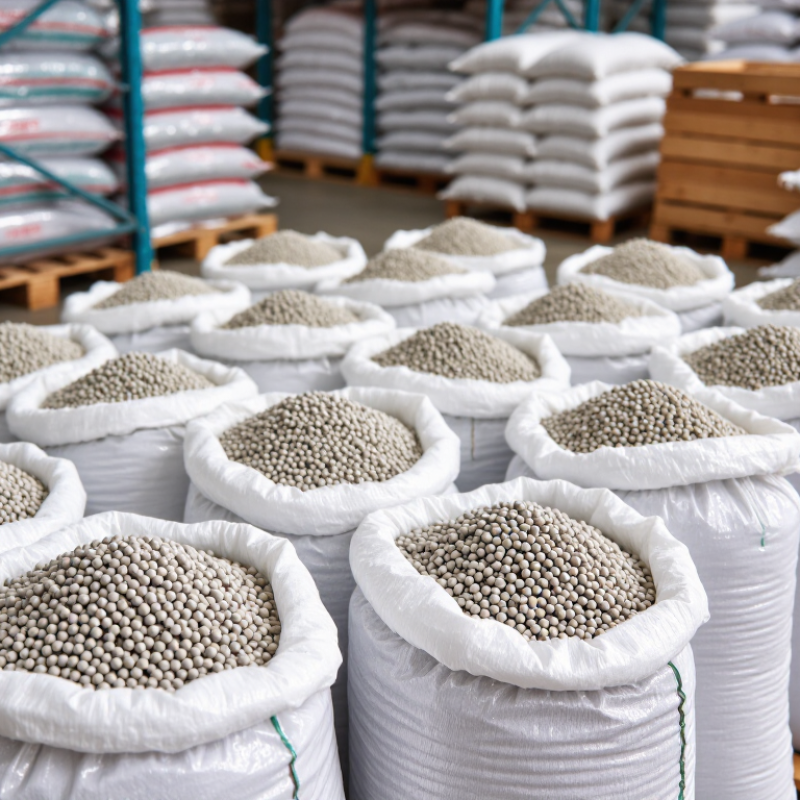
How to Source Calcium Nitrate Granular in Bulk

Calcium Nitrate Granular: Product Specifications and Industry Uses

How to Source Calcium Nitrate Granular in Bulk

Calcium nitrate granular is a water-soluble fertilizer material used where plants need rapid nitrate nitrogen and calcium. Its chemical formula is Ca(NO3)2, but commercial grades can differ in hydration and concentration. Buyers should check nitrogen and calcium percentages on the technical data sheet. Granule size matters too. Uniform particles flow better through hoppers and reduce segregation during transport.

A reliable bulk specification should list moisture, particle-size distribution, bulk density, insoluble matter, and packaging weight. Request a recent certificate of analysis for every production lot. Do not rely on a catalogue value alone. Storage conditions deserve attention. The material should remain dry, sealed, and separated from incompatible substances. Small handling errors can create large quality problems.

Agricultural users apply calcium nitrate granular in open fields, greenhouses, and fertigation systems. It supports fruit development and helps address calcium deficiencies when soil and water conditions allow. Industrial users may select it for controlled nutrient formulations or selected concrete and process applications. Application rates must follow crop tests, local rules, and professional guidance. A common sourcing mistake is choosing the lowest price without checking dissolution performance. That decision may increase clogging, waste, or inconsistent feeding. Before purchasing, compare the COA, SDS, origin, delivery terms, and regulatory documentation. Requirements vary by country. Verification is essential.

How to Define Bulk Calcium Nitrate Requirements

When sourcing calcium nitrate granular in bulk, define the material before contacting suppliers. Specify nitrogen and calcium content, acceptable purity, granule size, moisture limit, and appearance. A clear specification prevents costly comparisons between different grades. For example, request granules that remain free-flowing after extended storage. Mention the preferred particle range, such as 2–4 millimeters, if your equipment requires consistent feeding. Also state the expected annual volume, order frequency, and delivery location.

Ask for a recent certificate of analysis with every quotation. It should show chemical composition, moisture, particle distribution, and production date. A retained sample can reveal dust, caking, or uneven granules that paperwork may miss. I have seen buyers focus on price, then discover that poor flowability slows automated application. That mistake is avoidable. Confirm packaging options, pallet limits, container loading details, and storage recommendations. Calcium nitrate requires dry, ventilated storage away from incompatible materials. Local handling and transport requirements should also be checked before contracting.

Tips: Build a one-page requirement sheet. Include target volume, tolerance ranges, packaging, inspection rules, and delivery windows. Ask suppliers how they control moisture during production and loading. Leave room for review. Your first specification may be too strict, or not strict enough. Test a small lot before approving repeated bulk shipments, especially when seasonal demand can change quickly. Keep purchase records and compare each delivery against the agreed requirements.

Where to Find Reliable Calcium Nitrate Granular Suppliers

How to Source Calcium Nitrate Granular in Bulk

Finding reliable calcium nitrate granular suppliers requires more than comparing prices. Start by defining your application, required nitrogen and calcium levels, granule size, moisture limits, and packaging needs. A professional supplier should provide a current specification sheet and certificate of analysis for each production lot. Ask how samples are tested, not only whether testing exists.

Experienced buyers should verify production capacity, storage conditions, lead times, and export documentation before placing a large order. Request a small sample first. Check its appearance, flowability, solubility, and packaging condition under practical handling. Supplier audits can reveal important details, such as dusty warehouses or weak pallet wrapping. These issues are easy to overlook. I have found that clear communication often predicts delivery performance better than a polished website.

Tips: Compare at least three qualified suppliers. Confirm batch traceability and container loading procedures. Review payment terms carefully. Ask about moisture protection during transit, especially in humid climates. Keep written records of agreed specifications and inspection results. A low quote may hide inconsistent quality or unexpected freight charges. Recheck your assumptions after the first shipment, because even a careful sourcing plan may need adjustment.

How to Source Calcium Nitrate Granular in Bulk

Typical commercial specification benchmarks for evaluating reliable bulk suppliers

The benchmark profile reflects commonly marketed calcium nitrate granular specifications: approximately 15.5% total nitrogen, 19% calcium, less than 1% moisture, and at least 90% of particles within the stated granular size range. Buyers should confirm the exact values, particle-size distribution, packaging, certificates of analysis, and delivery terms with each supplier before placing a bulk order.

How to Evaluate Quality, Certifications, and Supplier Compliance

Bulk calcium nitrate sourcing requires more than a low quoted price. The IFA’s 2024 Medium-Term Fertilizer Outlook projects global fertilizer demand to rise by about 1.5% annually through 2028. That growth makes supplier verification increasingly important. Request a recent certificate of analysis for every production lot. Check nitrogen, calcium, moisture, particle-size distribution, and insoluble matter. A clear specification matters.

Inspect the granules physically. They should flow consistently, resist excessive dust, and remain stable after transport. Ask for sieve results, packaging photos, pallet details, and storage conditions. Independent testing under ISO/IEC 17025 strengthens confidence. Supplier ISO 9001 certification supports process control, but it does not prove product quality. That distinction is often missed.

Compliance documents should include a current safety data sheet, globally harmonized labeling information, and applicable registration evidence, such as REACH documentation for European shipments. Verify the legal entity, manufacturing site, batch traceability, and export records. FAO’s World Food and Agriculture Statistical Yearbook 2024 places global fertilizer consumption above 180 million tonnes of nutrients in recent years, showing the scale of this market. Still, large market statistics cannot replace a site audit. I would also compare two retained samples, because one failed inspection can expose weaknesses that certificates hide.

How to Source Calcium Nitrate Granular in Bulk - How to Evaluate Quality, Certifications, and Supplier Compliance

Practical bulk-sourcing reference for specification review, document verification, shipment control, and supplier compliance assessment.

Evaluation Dimension Reference Requirement or Typical Value What to Verify Before Ordering Required Evidence Bulk-Sourcing Decision Guidance
Product identity Calcium nitrate granular
Formula: Ca(NO3)2
CAS No.: 10124-37-5
Confirm whether the material is anhydrous calcium nitrate or a hydrated commercial grade, and ensure the product is not calcium ammonium nitrate or a blended fertilizer. Product specification, technical data sheet, safety data sheet, and lot-specific certificate of analysis. Do not compare quotations until the chemical form and fertilizer grade are clearly defined.
Nutrient grade Common fertilizer-grade reference: approximately 15.5% total nitrogen and 19% CaO equivalent. Check whether nitrogen is declared as total nitrogen and whether calcium is reported as elemental Ca or calcium oxide equivalent. COA showing analytical results, units, test methods, and specification limits. Use one reporting basis for all supplier comparisons; elemental calcium and CaO equivalent are not interchangeable.
Chemical purity Commercial limits vary by grade and application. Typical purchase specifications may include assay, insoluble matter, chloride, sulfate, iron, and heavy metals. Set numerical limits according to the intended use, such as fertigation, greenhouse production, industrial processing, or laboratory use. Lot-specific COA supported by validated laboratory methods and, when required, independent laboratory results. Reject quotations that provide only a generic brochure without measurable acceptance limits.
Granule size distribution A common commercial target is 2–4 mm, but the accepted range must be agreed in the purchase specification. Confirm minimum percentage within the target range, oversize and fines limits, and whether screening is performed after production. Particle-size distribution report using sieve analysis, including the test basis and sample size. Choose a tighter size range for automated dosing, blending, and low-dust handling.
Appearance and color Typically white to off-white granules or prills, free from visible foreign matter and excessive caking. Inspect color uniformity, foreign particles, wet lumps, discoloration, and evidence of contamination. Approved reference sample, inspection photographs, and pre-shipment inspection report. Appearance alone cannot prove purity; use it as a visual screening criterion only.
Moisture and caking Moisture limits are product-specific; a low and controlled moisture level is important for storage stability and flowability. Define the maximum moisture content, caking tolerance, and conditioning or anti-caking treatment, if any. COA moisture result, storage instructions, and packaging inspection record. Require sealed, moisture-resistant packaging and avoid accepting material with hard agglomerates or wet patches.
Solubility and dissolution Calcium nitrate is highly water-soluble; the required dissolution rate depends on the application and water temperature. Test for visible residue, undissolved particles, solution clarity, and dissolution time at the intended operating concentration. Supplier solubility data, internal trial results, and batch sample test records. Conduct a representative sample trial before committing to a full bulk order.
Bulk packaging Common industrial formats include 25 kg bags, 500 kg or 1,000 kg flexible intermediate bulk containers, and other agreed bulk formats. Confirm net weight tolerance, liner material, bag strength, palletization, lifting loops, sealing method, and labeling. Packaging specification, packing list, loading photographs, and weight records. Match packaging to unloading equipment, warehouse capacity, and local manual-handling requirements.
Shelf life and storage Storage life depends on formulation, packaging, temperature, humidity, and contamination control. Request the supplier’s stated shelf life and define storage conditions: dry, covered, ventilated, and protected from moisture and incompatible materials. Technical data sheet, SDS Section 7, shelf-life statement, and storage instructions. Use first-in, first-out inventory control and inspect older lots before use.
Oxidizing properties Calcium nitrate is generally handled as an oxidizing solid for transport and safety assessment; the exact classification must be confirmed for the supplied form. Review hazard classification, segregation requirements, ignition-source controls, and compatibility with fuels, organic materials, and reducing agents. Current SDS, transport classification, dangerous-goods declaration when applicable, and emergency response information. Do not rely on an outdated SDS or verbal classification; verify requirements for the destination country and transport mode.
Safety data compliance SDS should follow the applicable 16-section format and be supplied in the language required by the destination market. Check hazard identification, composition, first aid, firefighting, accidental release, handling, storage, exposure controls, disposal, and transport sections. Revision-controlled SDS dated within the supplier’s stated review period and suitable for the destination jurisdiction. Place the order only after the SDS has been reviewed by the buyer’s EHS or regulatory team.
Product certification Certification requirements depend on the intended use and market. Fertilizer products may need compliance with applicable national or regional fertilizer rules. Identify the destination-market requirements before contracting, including fertilizer registration, labeling, contaminant limits, and documentation rules. Valid product registration, conformity documentation, declaration of compliance, or other legally applicable approval. Distinguish product approval from management-system certification; they are not substitutes for each other.
Management-system certification Commonly reviewed systems include ISO 9001 for quality management, ISO 14001 for environmental management, and ISO 45001 for occupational health and safety. Confirm certificate scope, covered production site, certificate number, validity, and certification body accreditation. Current certificate copies and independent verification through the issuing certification body when available. Use certification as a supplier-control indicator, not as proof that every shipment meets the product specification.
Traceability Each shipment should be linked to a defined production lot or batch. Check batch numbering, production date, packaging date, raw-material traceability, retained samples, and recall procedure. Lot-number format, batch records, retention-sample policy, and traceability exercise results. Require the lot number on bags, pallets, COA, invoice, and shipping documents.
Quality-control testing Testing should cover the parameters stated in the agreed product specification. Review sampling frequency, laboratory competency, calibration status, test methods, and handling of out-of-specification results. Quality manual extracts, method list, calibration records, laboratory accreditation where relevant, and sample COAs. For high-value or critical applications, use pre-shipment or destination-side independent testing.
Contaminant control Heavy metals and other contaminants should comply with the legal or customer limits applicable to the intended use. Define limits for substances such as lead, cadmium, arsenic, mercury, and other relevant contaminants based on the destination market and crop or process requirements. Recent contaminant test report from a competent laboratory and applicable regulatory declaration. Do not accept “low heavy metals” as a specification without numerical limits and test results.
Supplier audit and compliance Supplier controls should cover manufacturing, warehousing, loading, subcontracted testing, and regulatory compliance. Assess corrective-action history, complaint handling, change control, business continuity, ethical sourcing, and environmental controls. Supplier questionnaire, audit report, corrective-action plan, compliance declarations, and insurance evidence where required. Use a risk-based audit frequency and requalify suppliers after major process, site, ownership, or specification changes.
Pre-shipment inspection Inspection should confirm quantity, packaging condition, labeling, lot identity, and visible product condition. Specify inspection timing, sampling plan, acceptable quality limits, and who pays for inspection and retesting. Inspection certificate, loading report, seal number, photographs, weight tickets, and retained samples. Use independent inspection for first orders, new production sites, high-value shipments, or unresolved quality history.
Incoterms and logistics Delivery terms should clearly define freight, insurance, customs responsibility, risk transfer, and unloading obligations. Confirm port or delivery location, transport mode, dangerous-goods requirements, container cleanliness, moisture protection, and demurrage responsibility. Commercial invoice, packing list, bill of lading or waybill, insurance document, SDS, and transport declarations where applicable. Compare suppliers using a landed-cost basis rather than product price alone.
Commercial acceptance criteria Acceptance should be based on the agreed specification, approved sample, quantity tolerance, documentation, and delivery condition. Define rejection, replacement, credit, retesting, claims period, and responsibility for nonconforming product before purchase. Signed technical specification, purchase order terms, approved sample record, and quality agreement. Make the technical specification part of the contract so quality claims are enforceable.

How to Compare Pricing, Logistics, and Purchase Terms

Sourcing Calcium Nitrate Granular in Bulk

Bulk calcium nitrate pricing should be compared on a landed-cost basis, not by the quoted tonne price alone. The International Fertilizer Association’s 2024 outlook places global fertilizer demand near 200 million tonnes of nutrients annually, showing how energy and feedstock costs can influence offers. Request a current quotation, production date, nitrogen and calcium analysis, moisture level, and particle-size range. A cheaper product may create extra screening, dust, or application losses. That difference matters.

Logistics can change the purchase price quickly. UNCTAD’s Review of Maritime Transport 2024 notes that maritime shipping carries over 80% of global merchandise trade by volume. Compare port handling, inland transport, container or bulk loading, storage days, and demurrage exposure. Ask whether the offer uses FOB, CFR, or DDP terms. Then calculate the cost per usable tonne at your warehouse. Small details matter.

Purchase terms deserve equal attention. A dependable contract should define packaging weight, tolerance, inspection rights, delivery windows, payment milestones, and remedies for off-specification material. Independent testing before shipment can verify composition and granulation. Certificates are useful, but they are not a substitute for sampling. I would also compare two delivery scenarios, because the fastest route is not always the least expensive. Some assumptions will be wrong. Review them before signing.

FAQS

What should buyers define before sourcing calcium nitrate granular in bulk?

Define the application, nitrogen level, calcium level, granule size, moisture limit, and packaging format. Record every requirement. A clear specification prevents confusion during quotation and inspection.

How can buyers check a supplier’s product quality?

Request a recent certificate of analysis for each production lot. Check nitrogen, calcium, moisture, particle size, and insoluble matter. Ask how the samples were tested. A certificate alone is not enough.

Should buyers request samples before placing a large order?

Yes, request a small sample first. Inspect its color, flowability, solubility, dust level, and packaging condition. Handle it as workers would handle the delivered material. One sample may not reveal every batch problem.

What supplier documents should buyers review?

Request a current safety data sheet and compliant product labeling information. Verify the legal entity, manufacturing site, batch traceability, and export records. Check applicable registration documents for the destination market. Paperwork can look complete while details remain unclear.

How should buyers compare bulk pricing?

Compare the landed cost, not only the quoted price per tonne. Include freight, port handling, inland transport, storage, inspection, and possible demurrage. Calculate the cost per usable tonne at your warehouse. The cheapest quote may create extra screening or material loss.

Which logistics details deserve attention?

Confirm loading methods, packaging weight, pallet strength, moisture protection, and delivery windows. Ask whether the quotation uses common delivery terms, such as FOB, CFR, or DDP. Review humid-weather protection carefully. Small details matter.

What should a dependable purchase contract include?

Define product specifications, weight tolerance, inspection rights, payment milestones, and delivery deadlines. Include remedies for off-specification material. Record all agreed testing methods in writing. Some assumptions will be wrong.

How can buyers assess supplier reliability beyond documents?

Compare at least three qualified suppliers and review their production capacity. Check storage areas, warehouse cleanliness, pallet wrapping, and lead-time explanations. An audit may reveal dusty floors or weak packaging. Clear communication often predicts performance better than a polished website.

Conclusion

Sourcing Calcium Nitrate Granular in bulk requires a clear understanding of product specifications, intended applications, and supply requirements. Buyers should define the required nitrogen and calcium content, granule size, moisture limits, packaging format, delivery volume, and storage conditions before contacting suppliers. The material is commonly used in agriculture, fertigation, greenhouse production, and other controlled nutrient applications, so product consistency and suitability for the intended use are essential.

Reliable sourcing also depends on evaluating supplier quality systems, certifications, testing procedures, traceability, and compliance with applicable regulations. Buyers should request recent certificates of analysis, confirm production and shipment capabilities, and assess the supplier’s experience with bulk orders. Pricing comparisons should include product quality, packaging, transportation, insurance, lead times, payment terms, minimum order quantities, and delivery conditions. A complete evaluation of these factors helps businesses secure consistent Calcium Nitrate Granular supplies while reducing logistical risks and unexpected costs.


Madeline

Madeline

Madeline is a dedicated marketing professional with a wealth of expertise in our company's core offerings. With a keen understanding of the industry, she brings a unique perspective to her role, consistently delivering high-quality content that highlights the superior aspects of our products. As......