How to Use Sodium Nitrite Powder Safely in Food Preservation?

Time:2026-08-02 Author:Oliver
0%

Sodium Nitrite Powder is a widely used preservative in the food industry. Renowned food safety expert Dr. Emily Carter has stated, “Using Sodium Nitrite Powder properly can extend shelf life, but safety is crucial." This highlights the importance of understanding its safe usage in food preservation.

Consumers often appreciate the benefits of Sodium Nitrite Powder for its role in curing meats and enhancing flavors. Yet, it's essential to recognize potential risks if misused. Proper dosage and handling techniques are crucial to ensure food safety. This will help in minimizing health concerns associated with sodium nitrite.

As the food industry evolves, ongoing education is vital. Producers and consumers alike must stay informed. Reflecting on safety practices can prevent mistakes and improve outcomes. Following guidelines on Sodium Nitrite Powder can lead to delicious, safe food products.
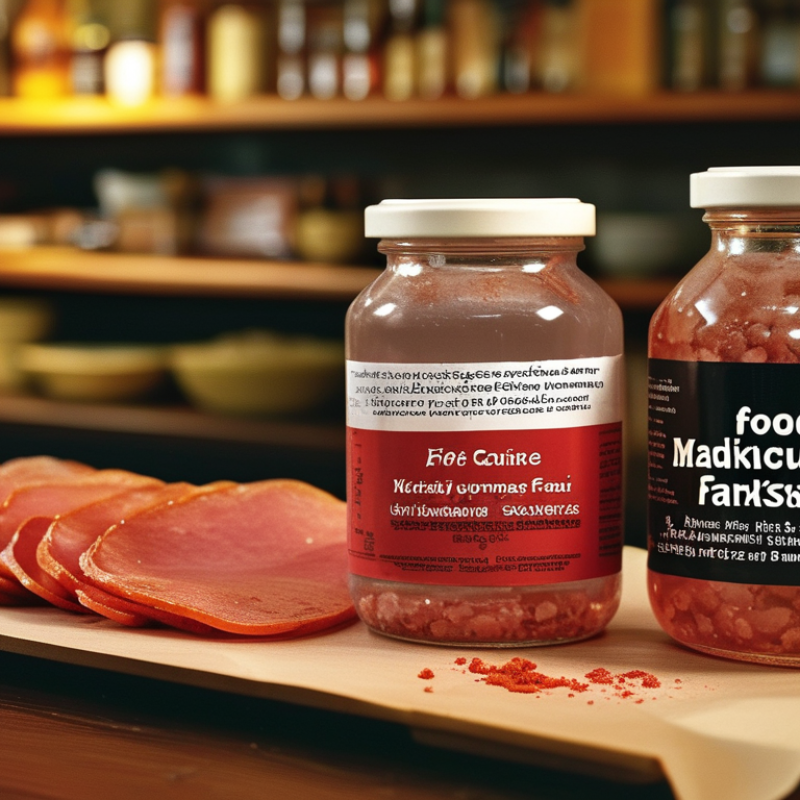
How to Use Sodium Nitrite Powder Safely in Food Preservation?

What is Sodium Nitrite Powder and Its Role in Food Preservation?

Sodium nitrite powder is a chemical compound often used in food preservation. It is important in curing meats and preventing spoilage. This compound inhibits the growth of harmful bacteria, particularly Clostridium botulinum. It also enhances the color and flavor of cured meats, giving them an appealing red hue. Many consumers enjoy the taste of products that incorporate sodium nitrite, such as bacon and ham. The safety of using this compound is critical, as improper usage can have adverse health effects.

While sodium nitrite is effective, its application requires caution. It must be used in precise amounts to avoid toxicity. Overconsumption can lead to nitrite poisoning, marked by symptoms like headache and dizziness. This makes it essential for food processors to adhere to established guidelines for safe usage. Providing clear instructions for home preservation activities is equally important. While some recipes may call for sodium nitrite, not all users understand how to measure it correctly.

Additionally, there's ongoing debate regarding its safety. Some individuals prefer natural alternatives for food preservation. Questions about long-term health impacts increase with sodium nitrite usage. As more consumers seek transparency in food production, understanding this compound becomes crucial. Food safety is not just about using ingredients; it’s about knowing their implications.

Safety Guidelines for Using Sodium Nitrite in Food Processing

When using sodium nitrite powder for food preservation, safety is paramount. This compound is effective in curing meats, preventing spoilage, and enhancing flavor. However, strict guidelines must be followed to ensure safe usage. Always measure carefully, as too much sodium nitrite can lead to health risks. Staying within recommended limits is crucial.

Proper storage is essential. Keep sodium nitrite in a cool, dry place away from direct sunlight. This prevents oxidation and maintains its effectiveness. Use gloves and masks when handling the powder. It’s a good idea to have a first aid kit nearby, as accidental ingestion can pose serious hazards.

Regularly review safety protocols. What works today might need adjusting. Food preservation practices evolve, and staying informed helps mitigate risks. Engage with reliable resources and experts in food safety. This continuous learning is vital for anyone involved in food processing and preservation.

Recommended Dosages of Sodium Nitrite for Various Foods

Sodium nitrite is a common preservative used in food processing. It helps prevent spoilage and enhances flavor, especially in cured meats. When using sodium nitrite, it's crucial to adhere to recommended dosages for safety and effectiveness.

For example, a typical dosage for curing meats like bacon is about 150 parts per million (ppm). This amount safely inhibits harmful bacteria while maintaining flavor. For homemade sausages, the range is often between 100 to 200 ppm. It's critical to measure carefully. Too much can lead to health risks, while too little may not prevent spoilage.

Tip: Always use a precise scale for measuring sodium nitrite. Even small deviations can affect food safety. Store the powder in a cool, dry place away from direct sunlight.

When preserving vegetables, a lower dosage of around 50 ppm is often sufficient. It can enhance the flavors in pickling processes. Remember to check pH levels, as they can influence the effectiveness of sodium nitrite.

Tip: Properly calibrate your measuring tools. Accuracy is essential for food preservation. Keep records of your methods and adjustments for future reference. This practice aids in improvement and safety.

Storage and Handling Practices for Sodium Nitrite Powder

Sodium nitrite powder is commonly used in food preservation, especially in curing meats. Proper storage and handling are crucial for safety.

Store sodium nitrite powder in an airtight container. Keep it in a cool, dark place to maintain its potency. Avoid exposure to moisture, which can cause clumping and reduce effectiveness. Check the expiration date regularly. Dispose of expired product safely.

Always wear gloves and a mask when handling sodium nitrite. Even small amounts can be harmful if ingested or inhaled. Ensure you have proper ventilation in your workspace. Use measuring tools to avoid accidental overuse.

Tips: Label containers clearly. This helps prevent confusion. Share information about safety practices with others involved. Regular training can enhance awareness and promote safe usage. Remember, while sodium nitrite is effective, it requires careful attention.

Potential Health Risks and How to Mitigate Them

Using sodium nitrite powder in food preservation can pose health risks if not handled properly. One significant concern is its potential to form nitrosamines, substances linked to cancer. Awareness of safe practices is essential. Always consider the recommended amounts. Overuse can lead to toxicity.

Tips for measurement: Use precise scales for accuracy. A small deviation can have significant impacts on safety. When mixing, do so in a well-ventilated area. This reduces exposure to any harmful fumes.

Additionally, always store sodium nitrite in a dry, cool place, away from light. Containers should be tightly sealed to prevent contamination. Regularly check the expiration date to ensure its efficacy. Remember, safety comes from your careful handling and respect for the substance.

How to Use Sodium Nitrite Powder Safely in Food Preservation? - Potential Health Risks and How to Mitigate Them

Aspect Details Safety Measures Potential Health Risks
Chemical Composition Sodium nitrite (NaNO2) is used primarily for curing meats. Use in appropriate concentrations; follow industry guidelines. Risk of nitrosamine formation, which is a potential carcinogen.
Usage Guidelines Recommended dosages are typically around 0.5-0.2% of the weight of the meat. Accurate measurement tools should be used for dosages. Overuse can lead to toxicity.
Storage Conditions Store in a cool, dry place away from light. Use airtight containers to prevent moisture absorption. Degradation can lead to ineffective preservation.
Regulatory Standards Usage is regulated in many countries; check local guidelines. Comply with food safety regulations and guidelines. Non-compliance can lead to health risks and legal penalties.

FAQS

: What is sodium nitrite powder used for?

: It's commonly used in food preservation, particularly for curing meats and preventing spoilage.

How does sodium nitrite benefit cured meats?

It inhibits harmful bacteria growth and enhances color and flavor, creating an appealing red hue.

Why is proper dosing of sodium nitrite important?

Improper doses can lead to toxicity, causing symptoms like headache and dizziness.

What is a safe dosage for bacon curing?

A typical dosage is about 150 parts per million (ppm) for bacon.

How should sodium nitrite be measured?

It's crucial to use a precise scale. Small deviations can affect safety significantly.

Can sodium nitrite pose health risks?

Yes, it can form nitrosamines linked to cancer, so careful handling is vital.

How should sodium nitrite be stored?

Store it in a cool, dry place, away from light, and ensure containers are tightly sealed.

What is a recommended dosage for preserving vegetables?

A lower dosage of around 50 ppm is often sufficient for enhancing flavors in pickling.

Why is it important to check pH levels?

pH levels can influence the effectiveness of sodium nitrite in preservation processes.

What practices improve safety when using sodium nitrite?

Keeping records of methods and adjustments can aid in continuous improvement and safety.

Conclusion

Sodium Nitrite Powder is a commonly used additive in food preservation, known for its role in inhibiting bacterial growth and enhancing the color and flavor of cured meats. To safely incorporate Sodium Nitrite Powder into food processing, it is essential to follow specific safety guidelines, which include proper measurement and handling techniques to prevent excessive intake.

Recommended dosages vary depending on the type of food being preserved, with careful adherence to these guidelines crucial for ensuring consumer safety. Additionally, appropriate storage and handling practices must be maintained to avoid degradation of the powder. It is also important to be aware of potential health risks associated with Sodium Nitrite Powder, such as the formation of nitrosamines, and to implement strategies to mitigate these concerns for safe consumption.


Oliver

Oliver

Oliver is a seasoned marketing professional with a wealth of expertise in driving brand awareness and engagement. With a deep understanding of our company's product offerings, he consistently delivers high-quality content that enriches our professional blog. His insights not only shed light on......