High Nitrogen Fertilizer plays a critical role in modern agriculture. This essential input boosts crop yields, supports food security, and enhances soil health. Dr. Jane Thompson, a leading agronomist, once said, “High Nitrogen Fertilizer is the backbone of sustainable farming practices.” Her insight underscores the importance of nitrogen in plant development.
Farmers face challenges like soil depletion and climate change. High Nitrogen Fertilizer helps address these issues by providing essential nutrients. However, its overuse can lead to environmental concerns, such as water pollution and soil degradation. Thus, striking a balance is crucial. Responsible application can maximize benefits while minimizing risks.
Incorporating High Nitrogen Fertilizer effectively requires expertise. Farmers must analyze soil conditions and crop needs. Education and training are vital. As Dr. Thompson emphasizes, understanding precision agriculture can guide better use of fertilizers. The future of agriculture depends on making informed decisions that enhance productivity while protecting our ecosystems.
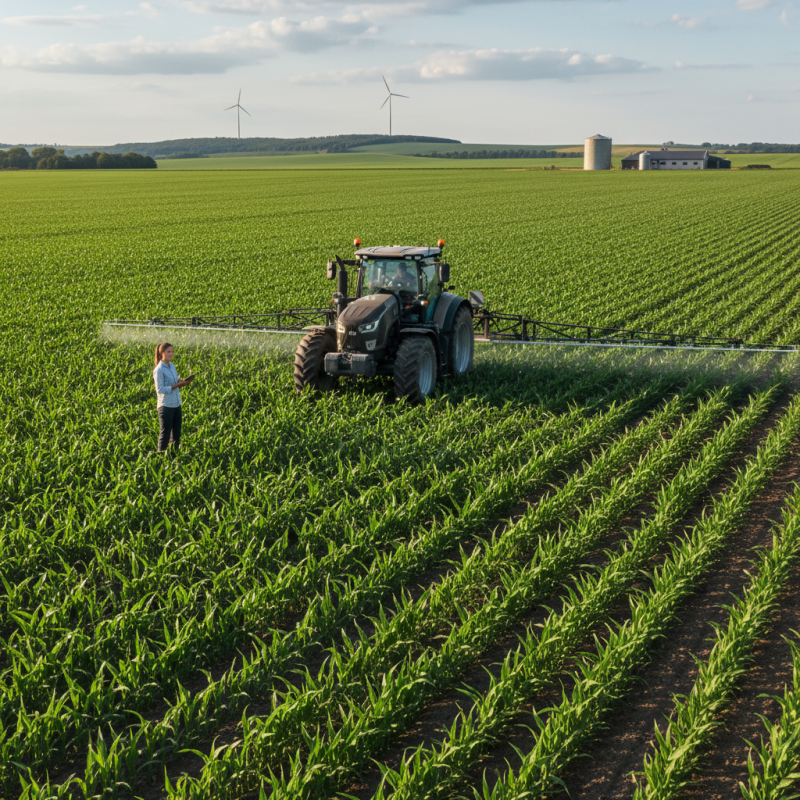
Nitrogen is crucial for plant growth and development. It plays a significant role in building amino acids, the building blocks of proteins. These proteins are essential for plant structure and function. Without adequate nitrogen, plants can become stunted, yellowed, and weak. This deficiency directly impacts crop yields and quality, affecting food security.
To improve nitrogen use, consider these tips. Test your soil regularly. Understanding your soil's nitrogen levels helps in applying the right amount of fertilizer. Remember, over-fertilization can harm the environment and waste resources. Applying nitrogen fertilizers during key growth stages can also maximize absorption and efficiency, ensuring plants thrive.
Additionally, observing plant symptoms can guide adjustments. If leaves appear pale or growth slows, it may signal a nitrogen deficiency. Reacting promptly can salvage a crop before losses escalate. Engaging with local agricultural experts can offer insights tailored to specific crops. This collaboration enhances both yield and sustainability, fostering healthier farming practices.
| Crop Type | Optimal Nitrogen Level (kg/ha) | Growth Stage | Nitrogen Deficiency Symptoms |
|---|---|---|---|
| Corn | 150 - 250 | Vegetative to Reproductive | Yellowing leaves, stunted growth |
| Wheat | 100 - 180 | Tillering to Grain Filling | Chlorosis in older leaves, reduced tillering |
| Soybean | 50 - 120 | Vegetative to Flowering | Intervenal chlorosis, poor pod fill |
| Rice | 120 - 200 | Early Growth to Flowering | Yellowing leaves, reduced height |
| Potatoes | 80 - 150 | Tuber Initiation to Bulking | Leaf yellowing, poor tuber development |
Nitrogen is a crucial nutrient in modern agriculture. High nitrogen fertilizers play an essential role in maximizing crop yields. Multiple types of high nitrogen fertilizers are widely used by farmers today. These include urea, ammonium nitrate, and calcium nitrate, each with distinct properties and applications.
Urea is the most common high nitrogen fertilizer. It contains about 46% nitrogen. This makes it very effective for various crops. Ammonium nitrate is another popular choice. It combines nitrogen in two forms: ammonium and nitrate. This dual-source approach supports quick absorption by plants. Calcium nitrate not only provides nitrogen but also calcium, helping strengthen crops.
Tips: When applying high nitrogen fertilizers, consider soil testing. This ensures the nutrient levels meet specific crop needs. Avoid excessive application, as it can harm the environment. Always follow guidelines for best practices to enhance soil health and maintain balance. Enjoy watching your crops flourish with the right fertilizer choices!
High nitrogen fertilizer plays a critical role in boosting crop yields. Farmers rely on its ability to enhance plant growth and maximize productivity. Nitrogen is a vital nutrient that promotes vigorous leaf and stem development. It fuels photosynthesis, leading to healthier plants. More nitrogen often means increased biomass. However, it's essential to apply it judiciously.
When using high nitrogen fertilizer, farmers should consider the timing and amount. Overapplication can lead to nutrient runoff, harming nearby ecosystems. It also can cause plants to grow too quickly, weakening their structure. Monitoring soil health is crucial. This ensures that plants receive balanced nutrients.
Tips for optimal use: Regularly test soil nitrogen levels. This guides fertilizer application. Use slow-release options whenever possible. This minimizes environmental impact and provides a steady nutrient supply. Remember, healthy soil leads to healthy crops.
The use of nitrogen fertilizers in agriculture has transformed food production. However, their impact on the environment demands careful consideration. Excess nitrogen can lead to soil degradation, water pollution, and biodiversity loss. Local ecosystems are particularly vulnerable, as nitrate runoff contaminates rivers and lakes. This creates dead zones where aquatic life cannot thrive.
Sustainable practices are essential to mitigate these issues. Farmers can adopt strategies like precision agriculture, which applies fertilizers more efficiently. Crop rotation is another effective method, enhancing soil health while minimizing nitrogen needs. The challenge lies in balancing productivity with environmental stewardship.
Reflections on nitrogen use highlight the complexity of modern agriculture. While nitrogen is vital for crop yields, its indiscriminate use must be addressed. Ongoing research is crucial to develop innovative solutions that protect both agricultural productivity and the planet. As we strive for sustainability, it's important to remain mindful of the consequences of our choices.
This bar chart displays the annual nitrogen fertilizer consumption in agriculture from 2010 to 2020. The data shows a steady increase in nitrogen fertilizer usage, highlighting its importance in modern agricultural practices.
Nitrogen fertilization has evolved significantly in modern agriculture. Innovations are transforming how farmers enhance soil fertility while minimizing environmental impact. According to the Food and Agriculture Organization (FAO), nitrogen fertilizer contributes to about half of the world's food production. This vital element helps in the growth of crops, ensuring they receive the nutrients necessary for robust yields.
One emerging practice is the use of precision agriculture technology. Tools like soil sensors and satellite imagery enable farmers to apply fertilizers more precisely. Studies show that precision fertilization can increase nitrogen use efficiency by up to 30%. This reduces waste and environmental runoff, making farming greener and more sustainable. Yet, many farmers still face challenges in adapting these technologies to their operations. Resistance to change can stem from a lack of knowledge or financial constraints.
Tips for farmers: Regularly test soil nutrients to tailor nitrogen applications. Explore local universities or agricultural extensions for workshops on precision agriculture. Staying informed can lead to better farming practices.
Nitrogen stabilizers are another innovative solution. These products slow down the conversion of nitrogen into forms that can wash away. Research indicates that using stabilizers can reduce nitrogen loss by 20-40%. However, the financial investment may deter some farmers from incorporating these practices. Addressing these concerns is crucial for widespread adoption.
: Nitrogen is vital for building amino acids and proteins, essential for plant structure and growth.
Symptoms include pale leaves, stunted growth, and weak plants. Reacting quickly can prevent crop losses.
Regular soil tests help determine nitrogen levels, guiding fertilizer application to avoid over-fertilization.
Over-fertilization can harm the environment, waste resources, and degrade soil quality.
Precision agriculture and applying fertilizers at key growth stages maximize nitrogen absorption in plants.
It can lead to soil degradation, water pollution, and create dead zones in aquatic ecosystems.
Crop rotation enhances soil health and reduces nitrogen needs, promoting sustainable farming practices.
It's challenging but essential to protect the planet while ensuring enough food production for everyone.
Farmers need to reflect on the consequences of nitrogen use, striving for solutions that support sustainability.
They provide tailored insights for specific crops, helping enhance yield and promote sustainable practices.
High Nitrogen Fertilizer plays a crucial role in modern agriculture by significantly enhancing plant growth and development. It is vital for the synthesis of proteins and chlorophyll, leading to increased crop yields. Various types of high nitrogen fertilizers, such as urea, ammonium nitrate, and calcium nitrate, are commonly used to meet the nitrogen needs of different crops effectively.
While the advantages of high nitrogen fertilizer are evident in boosting agricultural productivity, there are also important environmental considerations to ensure sustainable use. Over-application can lead to nitrogen runoff, harming water quality and ecosystems. Therefore, integrating innovative fertilization practices, such as precision agriculture and crop rotation, is essential for optimizing nitrogen use efficiency while minimizing environmental impacts. Ultimately, balancing the benefits of high nitrogen fertilizer with responsible management practices is critical for the sustainable advancement of agriculture.

Nitro Fertilizer