Food-Grade Sodium Nitrite plays a crucial role in the food industry. This compound is vital for meat preservation and safety. It inhibits bacterial growth, particularly Clostridium botulinum, which can cause botulism. Buyers around the globe seek this ingredient to ensure product quality.
Many food manufacturers rely on Food-Grade Sodium Nitrite to enhance flavor and appearance. It gives cured meats their signature pink color and develops a savory taste. However, with increasing scrutiny over food additives, the use of sodium nitrite sparks diverse opinions. Some consumers express concerns about health risks, highlighting the need for responsible usage.
While Food-Grade Sodium Nitrite is essential, it requires careful handling and awareness. The balance between safety and appeal is delicate. The food industry must prioritize transparency and communicate effectively with buyers. Global purchasers must be vigilant, ensuring they source from reliable suppliers committed to quality. This choice impacts both consumer health and industry reputation.
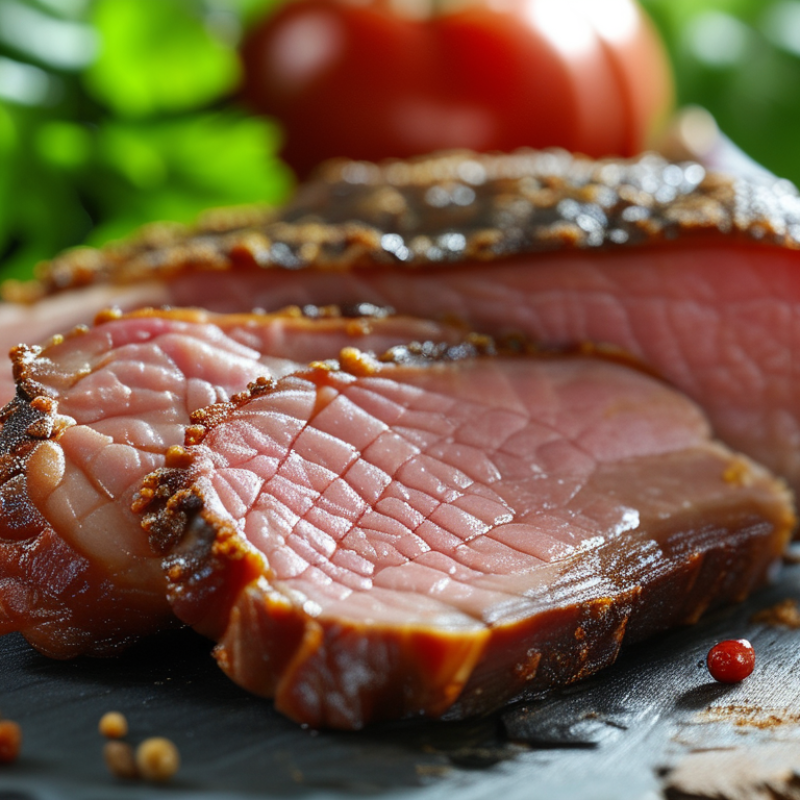
Food-grade sodium nitrite plays a key role in food preservation, especially in meat products. This compound helps inhibit bacterial growth, preventing foodborne illnesses. Its ability to maintain color and enhance flavor in cured meats is crucial for consumer appeal. Without sodium nitrite, shelf life decreases significantly, impacting food quality and safety.
The use of sodium nitrite is not without controversy. Some studies suggest potential health risks, prompting debates about its safety. It's essential for producers to balance these risks with the benefits it offers in food preservation. An informed approach is necessary. Food companies must consider diverse opinions and scientific research. Transparency can help build consumer trust.
Moreover, global regulations on sodium nitrite vary. Different countries have specific guidelines, which can lead to confusion for suppliers. Understanding these regulations is vital for businesses. A thorough knowledge of food safety standards can prevent costly mistakes. Continuous evaluation of preservation methods is also important for innovation in the food industry.
Sodium nitrite plays a crucial role in the meat industry. It is widely used as a preservative and color fixative in processed meats. This compound helps to maintain the appealing pink color of products like ham and bacon. Without it, these meats might appear dull and unappetizing. In addition, sodium nitrite inhibits the growth of harmful bacteria, particularly Clostridium botulinum. This is vital in preventing foodborne illnesses.
The application of sodium nitrite goes beyond preservation. It also enhances flavor profiles, adding a unique and savory taste. Consumers often associate this flavor with high-quality meats. However, the use of sodium nitrite does have its complexities. Some recent studies have raised concerns about potential health risks. This leads to ongoing debates about its safety and necessity.
Balancing its benefits and risks is essential. Trust in sodium nitrite’s applications requires ongoing research and open discussions. Meat producers need to stay informed about these developments. Precision in usage and adherence to guidelines can help mitigate potential concerns. Buyers must remain vigilant about sourcing and quality to ensure safety.
Sodium nitrite is a key ingredient in the food industry, especially for meat preservation. Its usage is heavily regulated due to health and safety concerns. Consumers should understand these regulations to make informed choices.
Health agencies monitor sodium nitrite levels in food products. Excessive intake can pose risks, such as methemoglobinemia, a serious condition affecting oxygen transport in the blood. Regulations are designed to keep levels safe while allowing its benefits in food preservation. In many countries, strict limits are in place.
Tips: Always check labels for sodium nitrite content. Opt for products with low levels. Choosing fresh, minimally processed foods can help reduce exposure.
Companies must abide by these regulations to ensure safety. Regular audits and testing are essential. They maintain transparency and build consumer trust. However, some producers may overlook guidelines, risking public health. Staying informed is crucial for consumers.
Tips: Stay updated on food safety regulations. Knowledge empowers smart purchasing decisions. Connecting with local health authorities can provide insights on safe practices.
Food-grade sodium nitrite is crucial in the global market. Its role in food preservation is well-known. This chemical helps inhibit bacterial growth, particularly in meats. However, the sourcing of this ingredient can be complex. Its demand fluctuates widely based on regional and seasonal factors.
Market dynamics show that suppliers face challenges in meeting the fluctuating demand. Seasonal changes often affect production capabilities. Buyers must stay vigilant about market trends. They should consider backup suppliers to ensure consistent availability. Quality assurance is also vital. Not all sodium nitrite is created equal, and buyers need to prioritize reliable sources.
There are ongoing debates around the safety and usage of food-grade sodium nitrite. Some advocate for its benefits in prolonging shelf life. Others raise concerns about its consumption. This discourse adds an extra layer of complexity for buyers. Understanding both sides of the argument is crucial for making informed decisions.
Sodium nitrite plays a crucial role in enhancing the flavor and color of processed foods. It is often used in curing meats, where it imparts a distinct pink hue, signaling freshness and quality. According to a report by the Food and Agriculture Organization (FAO), over 1.5 million tons of sodium nitrite are consumed globally each year in food processing. This compound not only preserves meat but also prevents bacterial growth, particularly against pathogens like Clostridium botulinum.
The impact of sodium nitrite on flavor is equally significant. It reacts with the meat’s myoglobin, forming nitrosomyoglobin, which contributes to the characteristic taste of cured meats. However, its usage is not without controversy. Studies have raised concerns about potential health risks associated with nitrite consumption. For instance, excessive intake may lead to the formation of nitrosamines, compounds linked to cancer. This has led to a call within the industry for better regulations and strategies for its safe use.
While sodium nitrite is essential, relying solely on it for color and flavor does not reflect a holistic approach to food processing. Exploring natural alternatives might provide a healthier option. Yet, the balance between taste, safety, and consumer expectations remains a challenging aspect for food manufacturers worldwide.
: It is primarily used for food preservation, especially in meat products.
It inhibits bacterial growth, reducing the risk of foodborne illnesses.
Yes, excessive intake may lead to conditions like methemoglobinemia and form nitrosamines linked to cancer.
Transparency helps build consumer trust and addresses health concerns related to sodium nitrite.
Different countries have specific guidelines, leading to confusion for suppliers and consumers.
Check product labels, choose fresh foods, and be aware of sodium nitrite levels.
No, relying solely on nitrite is not holistic. Exploring natural alternatives is vital.
It gives cured meats a distinct pink hue, indicating freshness and quality.
It encourages innovation and ensures safety standards are met in the food industry.
Connect with local health authorities and keep updated on regulations and practices.
Food-Grade Sodium Nitrite plays a crucial role in food preservation, particularly within the meat industry, where it is widely used for curing and enhancing the shelf life of processed meats. With its ability to inhibit bacterial growth, it helps ensure food safety while also contributing to the desirable flavor and color of these products. As health and safety regulations increasingly govern its usage, manufacturers must navigate compliance while balancing consumer demand for quality and safety.
The market dynamics surrounding Food-Grade Sodium Nitrite reflect its essentiality, with strong demand driven by its key applications in food processing. Understanding these dynamics is vital for global buyers, as they influence supply availability and pricing. Ultimately, Food-Grade Sodium Nitrite not only helps maintain the integrity and appeal of processed foods but also aligns with industry standards to promote safe consumption practices.

Nitro Fertilizer