How to Use Fertigation Fertilizer Effectively for Crops?

Time:2026-08-12 Author:Charlotte
0%

Fertigation fertilizer has become a vital tool for modern agriculture. According to Dr. Emily Johnson, an expert in agricultural practices, "Using fertigation effectively can transform crop yields." This statement reflects the growing consensus among agronomists about the importance of precise nutrient application.

The integration of fertigation introduces a transformative method for delivering fertilizers. By combining irrigation with fertilization, farmers can ensure that nutrients reach the plant roots more efficiently. This technique fits seamlessly into various crop management systems, enhancing productivity. However, farmers must employ it carefully. Over-application can lead to nutrient runoff and environmental concerns.

Understanding the nuances of fertigation is crucial. Farmers should monitor soil health and water quality. Tailoring fertilizer mixes to specific crop needs is essential for maximizing benefits. Thoughtful application not only boosts crop yields but also promotes sustainability in agriculture.
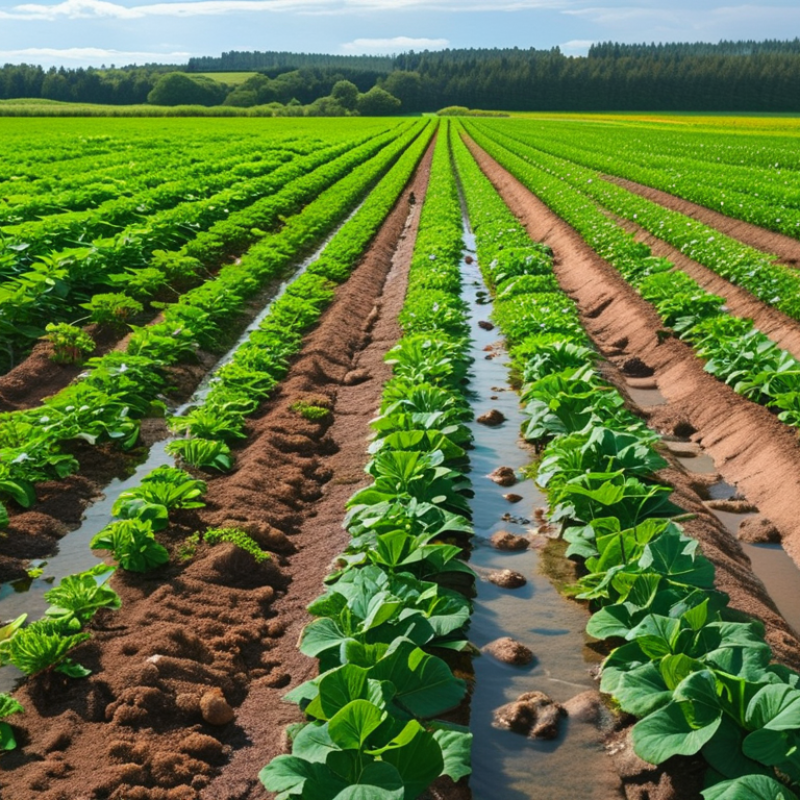
How to Use Fertigation Fertilizer Effectively for Crops?

Understanding Fertigation: Definition and Benefits for Crops

Fertigation combines fertilization and irrigation, delivering nutrients directly to the plant roots. This method has gained traction due to its efficiency. Research indicates that fertigation can improve nutrient uptake by up to 30% compared to traditional methods. This enhanced absorption can lead to healthier crops and increased yields.

Understanding the benefits of fertigation is essential. It allows for precise nutrient application, reducing waste. According to a report from the International Fertilizer Association, effective fertigation can lead to water savings of 20-30%. Moreover, treating the soil with nutrients using this method can prevent leaching and environmental pollution.

However, managing fertigation systems can be complex. Farmers must be vigilant to optimize nutrient delivery without over-fertilizing, which can harm both crops and ecosystems.

Knowledge of crop nutrient needs is crucial in the fertigation process. Regular soil tests can guide fertilizer adjustments. Yet, some farmers still underestimate the importance of monitoring their systems. This oversight can lead to imbalanced nutrient profiles, potentially stunting plant growth. Emphasizing education and training can help enhance the effectiveness of fertigation in modern agriculture.

Selecting the Right Fertilizer for Effective Fertigation Practices

Selecting the right fertilizer for effective fertigation practices is crucial for optimal crop growth. A well-chosen fertilizer provides essential nutrients directly to plant roots. This method allows for better nutrient absorption and minimizes wastage. To start, farmers must consider soil health and the specific needs of their crops. Analyzing soil composition can guide fertilizer selection.

Different crops require different nutrient mixes. For instance, leafy greens may need higher nitrogen levels. Root vegetables often thrive on potassium-rich fertilizers. Understanding these requirements enhances crop yield and quality. It’s essential to experiment with various formulations to identify what works best. Sometimes, trial and error leads to better outcomes.

Environmental conditions also play a role in fertilizer effectiveness. Temperature, humidity, and soil moisture affect nutrient availability. Timing of application is equally important; too early or too late can hinder growth. Observing crop responses to amendments will guide adjustments. Reflecting on these practices can improve future fertigation strategies.

How to Use Fertigation Fertilizer Effectively for Crops?

Crop Type Recommended Fertilizer Type Nutrient Composition (%) Application Rate (kg/ha) Best Application Timing
Tomatoes NPK 20-20-20 20 N, 20 P, 20 K 150-200 During flowering and fruit development
Cucumbers Calcium Nitrate 15.5 N, 19.0 Ca 100-150 At planting and bi-weekly
Lettuce NPK 10-10-10 10 N, 10 P, 10 K 80-120 Weekly during the growing season
Corn NPK 15-5-30 15 N, 5 P, 30 K 200-250 At planting and during drought periods
Potatoes NPK 12-12-12 12 N, 12 P, 12 K 150-180 Mid-season

Step-by-Step Guide to Setting Up a Fertigation System

Setting up a fertigation system requires careful planning and execution. Begin by assessing your crop needs and determining the appropriate nutrients. Every crop has specific requirements. Some may thrive on higher nitrogen levels, while others prefer potassium or phosphorus. Conducting soil tests can provide valuable insights into nutrient deficiencies.

Next, select a suitable water source. Clean and reliable water is vital. Contamination can lead to crop diseases. Once your water source is secured, install a mixing tank for your fertilizers. This allows for precise blending according to crop specifications. Keep in mind the solubility of the fertilizers you choose; poorly soluble options may cause blockages.

Finally, plan the distribution method. Drip lines are commonly used for precision. Ensure that they deliver nutrients efficiently to plant roots. Regular maintenance of the system is essential. Inspect hoses and filters to prevent clogs. A small issue can lead to larger crop failures. Reflect on your results after each season. What worked? What needs adjustment? Learning from your experiences can refine your approach for better yields.

Optimizing Fertigation Timing and Frequency for Maximum Crop Yield

Fertigation is a technique that combines fertilization with irrigation. Timing and frequency are crucial for maximizing crop yield. Knowing when to apply nutrients can significantly affect plant growth. Soil moisture levels, crop stage, and weather conditions all play roles in timing. Monitor these factors closely.

The frequency of fertigation depends on crop type and growth cycle. Some crops benefit from frequent, small applications. Others thrive on larger doses less often. Adjust your schedule based on crop response. Stressed plants may require more frequent feeding. Conversely, over-fertigating can lead to nutrient runoff. This can harm both the environment and crop health.

Data collection helps in decision-making. Use soil tests to guide nutrient needs. Observe growth patterns and adjust as necessary. Reflecting on past fertigation practices provides insight. Mistakes in timing or frequency can lead to suboptimal yields. Evaluation and adaptation are essential.

Monitoring and Adjusting Nutrient Levels in Fertigation Processes

Monitoring nutrient levels in fertigation is crucial for crop health. The right balance of nutrients can significantly impact crop yield and quality. Start by regularly testing the water and nutrient solution. This ensures that plants receive essential nutrients in optimal amounts. Using simple test kits can help assess key parameters like pH and electrical conductivity.

Adjustments may be necessary based on your crops' growth stages. Different crops require varying nutrient levels. For instance, young plants have different needs compared to those in flowering stages. Keep track of visual signs such as leaf color and growth rate. These indicators often reveal nutrient deficiencies or excesses.

It's not always easy to find the perfect balance. Sometimes, initial adjustments may lead to over-fertilization or under-fertilization. Observing and learning from these outcomes is essential. Documenting changes helps refine your approach over time. Patience and diligence are vital in creating a successful fertigation strategy.

Monitoring Nutrient Levels in Fertigation Processes

This chart illustrates the optimal nutrient levels for crops using fertigation over a growing season. The data represents the amounts of Nitrogen (N), Phosphorus (P), and Potassium (K) applied per hectare in kilograms.

FAQS

: What is fertigation?

: Fertigation combines fertilization with irrigation, delivering nutrients directly to plants' roots for better absorption.

How does fertigation improve nutrient uptake?

Research shows that fertigation can enhance nutrient absorption by up to 30% compared to traditional methods.

What are the benefits of using fertigation?

Benefits include precise nutrient application, reduced waste, and water savings of 20-30%.

Why is soil testing important in fertigation?

Regular soil tests guide fertilizer adjustments, helping avoid nutrient imbalances that can stunt growth.

Can over-fertilizing harm crops?

Yes, over-fertilizing can harm both crops and ecosystems, making management of fertigation systems complex.

How can environmental conditions affect fertigation?

Temperature, humidity, and soil moisture impact nutrient availability and application timing, affecting plant growth.

Why is fertilizer selection crucial?

Choosing the right fertilizer based on soil health and crop needs directly affects nutrient absorption and crop quality.

How often should fertigation be applied?

Frequency depends on crop type; some need small, frequent applications, while others respond better to larger doses less often.

How does data collection support fertigation practices?

Collecting data helps observe growth patterns and adjust nutrient needs for optimal crop response.

What can mistakes in fertigation lead to?

Mistakes in timing or frequency can lead to suboptimal yields, prompting the need for evaluation and adaptation.

Conclusion

Fertigation Fertilizer is a highly efficient method of delivering nutrients to crops through irrigation systems, enhancing plant growth and agricultural productivity. Understanding fertigation begins with recognizing its benefits, such as improved nutrient uptake and reduced fertilizer waste. Selecting the right Fertigation Fertilizer is crucial, as it ensures that crops receive appropriate nutrients tailored to their specific needs.

To set up a fertigation system effectively, a step-by-step guide can help growers establish the necessary infrastructure and equipment. Additionally, optimizing fertigation timing and frequency allows for maximum crop yield, aligning nutrient delivery with the plant's growth stages. Continuous monitoring and adjusting of nutrient levels in the fertigation process are essential to avoid deficiencies or excesses, ensuring that crops thrive and produce optimal yields. By mastering these practices, farmers can significantly enhance their crop production through efficient use of Fertigation Fertilizer.


Charlotte

Charlotte

Charlotte is a seasoned marketing professional with a deep understanding of the company's portfolio and a passion for elevating its presence in the market. With a keen eye for detail and a commitment to excellence, she ensures that our professional blog is regularly updated with insightful articles......