Why Choose Fertigation Fertilizer for Your Crops?

Time:2026-05-03 Author:Madeline
0%

In modern agriculture, the efficiency of nutrient delivery is paramount. Dr. John Smith, a leading expert in crop nutrition, emphasizes the importance of "Fertigation Fertilizer," stating, "Fertigation is not just nourishment; it's a pathway to sustainable farming." This innovative technique integrates fertilization with irrigation, ensuring that crops receive precise nutrients when they need them most.

Choosing the right fertilization method can significantly affect crop yield and quality. Traditional methods often lead to nutrient waste and uneven distribution. In contrast, "Fertigation Fertilizer" offers a tailored approach, where water and nutrients work synergistically. This method can enhance plant growth while minimizing environmental impact.

However, implementing fertigation is not without challenges. Farmers must maintain appropriate equipment and understand their crops' specific requirements. Ignoring these factors can result in inefficiencies. Yet, with careful planning, "Fertigation Fertilizer" can lead to remarkable improvements in agricultural productivity and sustainability.
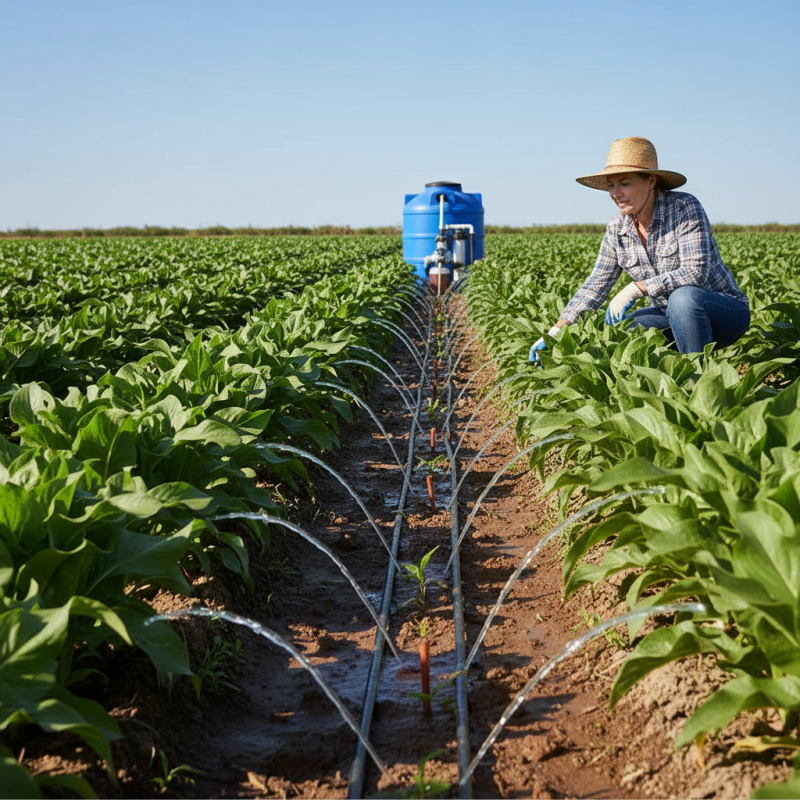
Why Choose Fertigation Fertilizer for Your Crops?

Understanding Fertigation: A Combination of Irrigation and Fertilization

Fertigation merges irrigation and fertilization, providing a streamlined method for nutrient application. This process allows crops to access vital nutrients directly through their irrigation systems. Research indicates that fertigation can enhance nutrient uptake by up to 80%, significantly improving crop yields. With precision in nutrient delivery, farmers can optimize their inputs and reduce waste.

The practical aspects of fertigation include timing and concentration of fertilizers. According to reports from agricultural studies, crops absorb nutrients more efficiently when combined with water. This method allows for frequent application, which can lead to stronger plants. However, the system can be complex. Farmers must carefully monitor nutrient levels and water quality. Miscalculations can lead to nutrient imbalance and potential crop damage.

Continuing education is essential in this field. Many farmers may not understand the intricacies of fertigation systems. They might overlook soil tests or neglect to adjust nutrient concentrations. Such oversights can diminish the advantages of fertigation. Precision agriculture tools provide valuable insights. However, adopting new technologies requires time and effort. The balance between efficiency and education remains a challenge for many.

The Benefits of Using Fertigation Fertilizer for Crop Growth

Fertigation fertilizer delivers key nutrients directly to crops through irrigation systems. This method ensures even distribution, enhancing nutrient uptake. Crops receive a steady supply of essential minerals, which supports robust growth. For farmers, this means healthier plants with potentially higher yields.

Using fertigation improves water efficiency. It reduces water waste by applying fertilizer during irrigation. However, over-fertilization can occur if not monitored properly. Excess nutrients may leach into groundwater, raising environmental concerns. Balancing the application is crucial and can be challenging.

Fertigation allows precise control over nutrient delivery. Farmers can adjust the mix based on crop needs at different growth stages. Regular soil testing can inform these adjustments, though not all farmers have easy access to lab services. Many rely on experience, which can lead to inconsistent application rates. Proper training and guidelines can help in overcoming these challenges.

Why Choose Fertigation Fertilizer for Your Crops? - The Benefits of Using Fertigation Fertilizer for Crop Growth

Benefit Description Impact on Crop Growth
Improved Nutrient Uptake Fertigation allows direct delivery of nutrients to the root zone. Promotes healthier and faster growth.
Water Efficiency Combines irrigation and fertilization, reducing water waste. Enhances crop yield with less water.
Customizable Nutrient Delivery Nutrient solutions can be tailored to specific crop needs. Maximizes crop potential based on growth stages.
Reduced Labor Costs Automated systems decrease the need for manual application. Saves time and resources.
Enhanced Soil Health Promotes beneficial microbial activity in the soil. Improves soil structure and fertility over time.

Key Components of Fertigation Systems and Their Functions

Fertigation systems offer a precise way to deliver nutrients and water directly to crops. A key component of these systems is the injector. This device mixes fertilizers with water before they enter the irrigation system. By ensuring consistent nutrient delivery, it helps plants absorb what they need more effectively.

Another important part is the fertigation controller. This device schedules and regulates the application of water and fertilizers. It allows for adjustments based on crop growth stages. Making these adjustments can significantly enhance crop yields. However, proper calibration is critical. An incorrect setting can lead to nutrient imbalances or even crop damage.

Finally, monitoring devices ensure that the system operates effectively. Sensors measure moisture levels, pH, and nutrient concentration. This data helps farmers make informed decisions. Yet, relying solely on technology can be risky. Regular manual checks are vital to maintain system integrity. Balancing technology with hands-on experience can lead to better crop outcomes.

How Fertigation Improves Nutrient Efficiency and Reduces Waste

Fertigation is a growing practice in modern agriculture. This method combines fertigation and irrigation, delivering nutrients directly to the plant's root zone. According to the USDA, fertigation can increase crop yields by up to 30%. This efficiency stems from its ability to target the nutrients plants need at critical growth stages.

The nutrient efficiency of fertigation is notable. Traditional methods often lead to significant nutrient runoff, with studies showing up to 50% of applied fertilizers lost. In contrast, fertigation minimizes this waste by providing a steady supply of nutrients. The result is healthier plants and improved soil quality. Research indicates that nutrient uptake can increase by as much as 40% with fertigation.

However, implementing fertigation requires careful planning and monitoring. Farmers need to assess their soil and crop needs regularly. Over-fertilization can harm plants and lead to environmental concerns. Balancing nutrient delivery is crucial. This method shows promise but demands responsible practices to avoid potential pitfalls. Adjustments may be necessary based on response data from crops, which helps refine efficiency over time.

Best Practices for Implementing Fertigation in Agricultural Fields

Fertigation combines fertilizers with irrigation, providing crops with precise nutrients. Implementing fertigation effectively can enhance crop yields significantly. Here are some best practices for farmers looking to adopt this method.

Soil testing is essential before starting fertigation. This helps in understanding nutrient levels. Farmers often overlook this step, leading to imbalanced nutrient application. Regular soil tests can guide adjustments based on crop needs and seasonal changes.

Monitor water quality, as it impacts nutrient availability. High salinity levels can hinder crop growth. Ensuring a clean water source helps avoid such issues. Also, maintaining the irrigation system is crucial. Check for leaks or clogs regularly to ensure consistent nutrient delivery.

Be mindful of weather conditions. Fertigation schedules should adapt to rain forecasts. Overwatering can lead to nutrient leaching. Implement a flexible plan that allows for quick adjustments based on environmental factors. Understanding how these elements interact improves overall efficiency in nutrient application.

Fertigation Fertilizer Effectiveness for Crop Yield

FAQS

: What is a fertigation system?

: A fertigation system delivers nutrients and water directly to crops.

What role does the injector play in fertigation?

The injector mixes fertilizers with water before they enter the irrigation system.

Why is proper calibration important in fertigation?

Incorrect settings can cause nutrient imbalances or crop damage.

How do monitoring devices assist farmers?

Sensors measure moisture, pH, and nutrient levels for informed decisions.

What should farmers do before starting fertigation?

Conduct soil tests to understand nutrient levels and avoid imbalances.

Why is water quality important in fertigation?

High salinity levels can hinder crop growth and nutrient availability.

How can weather conditions affect fertigation practices?

Schedules should adapt to rain forecasts to prevent overwatering.

What maintenance is required for a fertigation system?

Regular checks for leaks or clogs ensure consistent nutrient delivery.

Can technology replace manual checks in fertigation?

Relying solely on technology can be risky; manual checks are still needed.

How can farmers improve nutrient application efficiency?

Understanding weather and soil interactions leads to better fertigation practices.

Conclusion

Fertigation fertilizer is an innovative approach that combines the processes of irrigation and fertilization, allowing farmers to deliver nutrients directly to their crops through the irrigation system. This method significantly enhances nutrient efficiency, ensuring that plants absorb the necessary elements for optimal growth while minimizing waste.

By understanding the key components of fertigation systems, farmers can implement best practices that maximize the benefits of this technique. These systems not only improve crop yield but also contribute to sustainable agricultural practices by reducing environmental impact. Overall, adopting fertigation fertilizer can lead to healthier crops, better resource management, and increased agricultural productivity.


Madeline

Madeline

Madeline is a dedicated marketing professional with a wealth of expertise in our company's core offerings. With a keen understanding of the industry, she brings a unique perspective to her role, consistently delivering high-quality content that highlights the superior aspects of our products. As......