Choosing the China Best Calcium Nitrate Granule Supplier and Price requires more than comparing online quotations. Product quality, nutrient consistency, packaging, delivery reliability, and technical support all influence the real purchase value. Calcium Nitrate Granule usually supplies soluble nitrogen and calcium for greenhouse crops, fertigation systems, and open-field production. However, its performance depends on water quality, application timing, crop demand, and soil conditions.
Dr. Patrick Brown, a plant nutrition specialist at the University of California, Davis, has said, “Nutrient decisions should follow crop demand, soil conditions, and field evidence.” This principle matters when evaluating every Calcium Nitrate Granule supplier. A dependable manufacturer should provide a clear specification sheet, batch testing records, solubility data, and transparent calcium and nitrogen percentages. Buyers should also inspect granule appearance, moisture control, bag strength, and loading practices. Small details matter.
Price is only one part of the decision. A lower quotation may hide weaker packaging, inconsistent granule size, or higher transportation costs. A higher price may include better quality control and more stable delivery. It is easy to overstate certainty here. Market prices change with raw material costs, seasonal demand, order volume, and shipping conditions. Therefore, this guide compares supplier capability, product standards, minimum order quantities, trade terms, and after-sales communication. The best choice should fit the farm, distributor, or industrial buyer’s actual needs. Not the cheapest invoice. Reliable evidence remains essential.
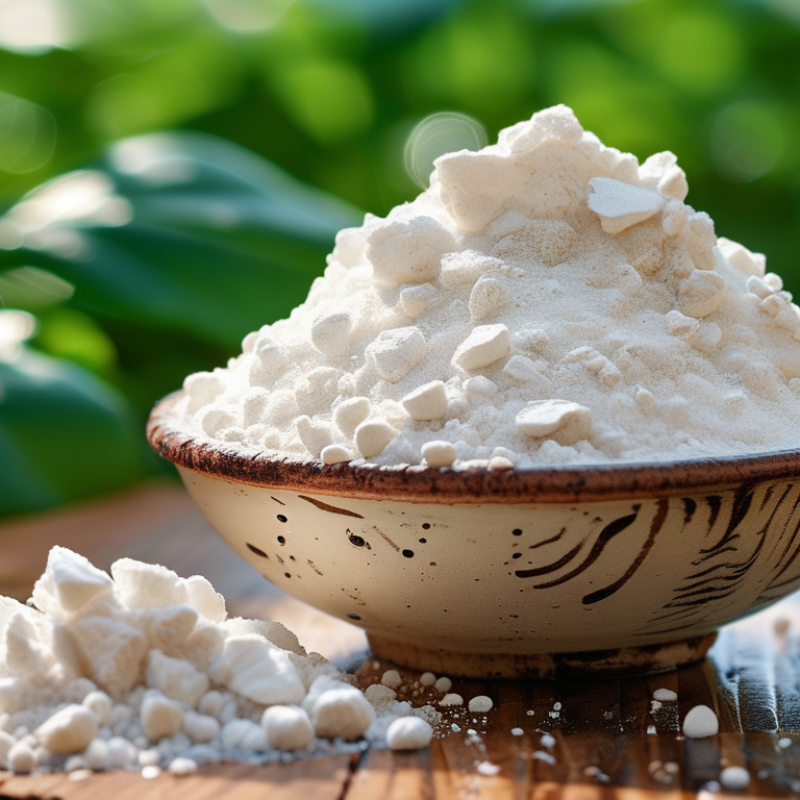
Calcium nitrate granules are made from calcium nitrate, commonly represented as Ca(NO3)2. Many commercial grades contain water of crystallization, so their exact formula may vary. The granules provide two essential nutrients: readily available nitrate nitrogen and soluble calcium. They are usually white to pale grey, free-flowing, and highly soluble in water. Handle them carefully. Their hygroscopic nature means they can absorb moisture during storage, causing caking and reduced flow.
In practical farming, these granules support leafy vegetables, fruit crops, greenhouse plants, and hydroponic systems. Nitrate nitrogen encourages steady vegetative growth, while calcium strengthens cell walls and supports fruit quality. Dissolved granules can be applied through fertigation or prepared as a soil treatment. I have found that accurate weighing matters, especially in small irrigation tanks. Excess application may increase salinity and waste nutrients. Not every crop needs the same calcium-to-nitrogen balance.
Quality assessment should include nutrient analysis, moisture level, granule size, solubility, and packaging condition. Uniform particles are easier to meter and distribute across a field. A reliable supplier should provide a current certificate of analysis and clear storage guidance. Price is affected by purity, production method, packaging, order volume, and freight distance. The cheapest offer may not be the most economical choice. A damp shipment can create hidden labor costs. Testing a small batch first is a sensible step, although it may slow purchasing decisions.
When evaluating calcium nitrate granules, begin with measurable specifications, not a bright appearance. Check total nitrogen, calcium content, moisture, and water solubility on the certificate of analysis. A reliable specification should also state granule size, typically by percentage within a defined mesh range. Uniform particles flow better through spreaders and reduce segregation during transport.
Inspect a physical sample in daylight. The granules should feel dry, remain separate, and show limited dust. Try dissolving a measured amount in clean water. The solution should become clear without heavy sediment or oily residue. Check the production batch, sampling date, packaging condition, and storage instructions.
Packaging matters. Moisture exposure can cause caking before the material reaches a farm or blending facility.
Price comparisons become meaningful only after specifications match. A cheaper offer may contain more fines, higher moisture, or weaker batch consistency. Ask for recent test reports, not only a general product sheet. Independent laboratory verification adds confidence, especially for large purchases.
I have seen good-looking samples fail simple dissolution checks. My own inspection is not perfect, either. Temperature, sampling method, and storage history can distort results. For that reason, compare several sealed samples and record observations carefully. A dependable supplier should explain test methods, tolerances, delivery conditions, and any difference between quoted and tested values. Reliability is shown through repeatable quality, not one attractive batch.
China Best Calcium Nitrate Granule Supplier and Price?
Key Factors for Choosing a Reliable Calcium Nitrate Supplier
A reliable calcium nitrate supplier should provide more than an attractive price. Product consistency matters in greenhouse crops, open-field farming, and fertigation systems. Check the calcium nitrate content, nitrogen level, moisture, and granule size before comparing offers. A clear certificate of analysis should support every batch. Vague specifications create problems later.
Request a recent sample and inspect its appearance, flowability, and dissolution. Granules should remain uniform during handling and dissolve without excessive residue. Ask how the supplier controls production records and batch traceability. An experienced supplier can explain packaging options, storage conditions, and expected shelf life. Practical answers matter. Sales promises alone do not.
Price should include packaging, inspection, transport, and possible handling charges. A very low quotation may reflect inconsistent quality or weak after-sales support. That assumption is not always correct, but it deserves checking. Review the safety data sheet and relevant quality documents before placing a regular order. Confirm whether the supplier can maintain the same specification during seasonal demand. Small details, such as moisture inside a damaged bag, can affect warehouse performance. I would also test a limited shipment before committing to larger volumes. No supplier is perfect, and even strong systems need regular review.
The benchmark reflects commonly marketed fertilizer-grade calcium nitrate specifications: approximately 15.5% total nitrogen and 26.5% calcium oxide (CaO). When comparing suppliers, verify the certificate of analysis, particle size, moisture, packaging, minimum order quantity, delivery terms, and the quoted price per metric ton.
Calcium nitrate granule prices depend on more than factory quotations. Nitric acid, limestone, natural gas, electricity, and packaging form the main cost base. Energy matters greatly. Production requires controlled neutralization, evaporation, and granulation. Higher moisture limits can increase drying costs. Smaller particles may also require additional screening.
The International Fertilizer Association’s 2024 medium-term outlook projects global fertilizer demand above 200 million tonnes of nutrients in 2024/25. This supports steady demand, but calcium nitrate follows different regional patterns. Greenhouse production, fertigation, and soil calcium requirements can lift orders in specific seasons. The World Bank’s commodity market reports also highlight continuing fertilizer price sensitivity to energy costs, shipping disruption, and trade restrictions. Freight is not a minor detail.
A practical China sourcing comparison should separate EXW, FOB, and CIF prices. It should also check nitrogen and calcium content, granule size distribution, water solubility, certificates, and batch consistency. Larger orders usually reduce packaging and loading costs, while urgent delivery can reverse that advantage. A low quotation may exclude inland transport or testing fees. This is where estimates can fail. Buyers should request recent laboratory results and a clear specification sheet before comparing suppliers. Prices change quickly, so a quotation without validity dates has limited value.
China Best Calcium Nitrate Granule Supplier and Price?
When ordering calcium nitrate granules from China, define the product before discussing price. Specify nitrogen content, calcium content, granule size, moisture limit, and intended application. Request a current certificate of analysis and safety data sheet. These documents help confirm consistency, handling needs, and transport classification. A low quotation can be misleading. Packaging, inspection, and freight may change the final landed cost. Ask for a formal quotation with Incoterms, minimum order quantity, lead time, payment terms, and port details.
Packaging should protect the granules from humidity and physical damage. Common options include sealed inner liners inside woven bags, or moisture-resistant bulk bags for larger orders. Check the net weight, batch number, production date, and handling marks before shipment. Pallets should remain clean and stable. Torn bags are not a minor issue.
Store the material in a cool, dry, and well-ventilated warehouse. Keep it away from heat, direct sunlight, combustible materials, acids, and incompatible chemicals. Do not place bags directly on a damp floor. Use pallets, maintain clear aisles, and inspect older stock regularly. Keep containers closed after partial use. It sounds simple.
In practice, storage records are often neglected. That weakness can affect product quality and traceability. I would verify warehouse conditions before approving a large purchase, even when the supplier appears reliable. Pricing matters, but dependable documentation and careful storage matter more.
: Calcium nitrate granules are commonly represented as Ca(NO₃)₂. Commercial grades may contain water of crystallization, so their exact formula can vary. They supply nitrate nitrogen and soluble calcium.
They are usually white to pale grey. The particles should remain dry, separate, and free-flowing. Excess dust may indicate poor handling or inconsistent granulation.
They support leafy vegetables, fruit crops, greenhouse plants, and hydroponic systems. Nitrate nitrogen encourages steady vegetative growth. Calcium supports cell walls and fruit quality.
Dissolve a measured amount in clean water for fertigation or soil treatment. Accurate weighing matters, especially in small irrigation tanks. Measure carefully.
Store them in sealed, moisture-resistant packaging. Keep bags away from rain, damp floors, and humid air. Moisture can cause caking and reduce flowability.
Review nitrogen, calcium, moisture, solubility, and granule-size results. Inspect a sample in daylight for dust, dampness, and uniform particles. Then dissolve a measured quantity in clean water.
The granules should dissolve readily and produce a clear solution. Heavy sediment or oily residue deserves further investigation. One test is not perfect. Temperature and sampling methods can affect results.
Request a recent certificate of analysis and clear storage instructions. Also check batch identification, sampling date, packaging condition, and test methods. A safety data sheet may provide useful handling information.
Packaging, inspection, transport, and handling charges can change the real cost. A low quotation may involve higher moisture or more fine particles. That assumption can be wrong, so compare sealed samples carefully.
A small trial shipment can reveal caking, dissolution, or batch consistency problems. It may slow purchasing decisions, but it reduces larger supply risks. No inspection is flawless.
This guide explains how Calcium Nitrate Granule is made up of readily available calcium and nitrate nutrients, making it suitable for agricultural fertilization, water-soluble nutrient programs, and selected industrial applications. It outlines key quality indicators, including nutrient content, granule size, moisture level, solubility, appearance, and impurity control, helping buyers compare product specifications objectively.
The article also discusses how to choose a reliable supplier by reviewing production consistency, documentation, testing procedures, delivery capability, and customer support. It examines pricing factors such as raw material costs, production processes, packaging, order volume, transportation, and market conditions. Finally, it provides practical guidance on ordering, moisture-resistant packaging, safe handling, dry storage, inventory rotation, and compliance with applicable transportation and storage requirements.

Nitro Fertilizer