The 2026 market for Concentrated Nitric Acid is becoming more demanding, more technical, and less forgiving. Buyers now assess purity, packaging, traceability, delivery reliability, and emergency support together. A low quoted price may hide weak documentation or inconsistent concentration.
Industry reports show continuing demand from fertilizers, explosives-free industrial applications, metal treatment, electronics, and specialty chemicals. Grand View Research’s Nitric Acid Market report identifies fertilizer production and chemical manufacturing as major demand sectors. Fortune Business Insights also projects sustained market growth through the early 2030s. However, these reports usually address nitric acid broadly, not every concentrated-grade segment. That distinction matters.
Supplier quality can vary by region.
The best 2026 suppliers should provide current certificates of analysis, batch records, safety data sheets, and transport documentation. Buyers should also examine production capacity, storage standards, supply continuity, and technical response times. A bright drum label is not proof of operational reliability.
Process-safety expert Trevor Kletz wrote, “Safety is not a gadget but a state of mind.” His principle remains highly relevant to Concentrated Nitric Acid purchasing. Safe handling depends on trained teams, compatible materials, controlled storage, and disciplined procedures. It is not simply a compliance checkbox.
This guide compares leading suppliers through a practical buyer’s lens. It considers product consistency, responsible operations, technical service, regional reach, and transparent evidence. Some supplier information remains difficult to verify publicly. That limitation should be acknowledged. Careful buyers may need direct audits, reference checks, and updated documentation before signing long-term agreements.
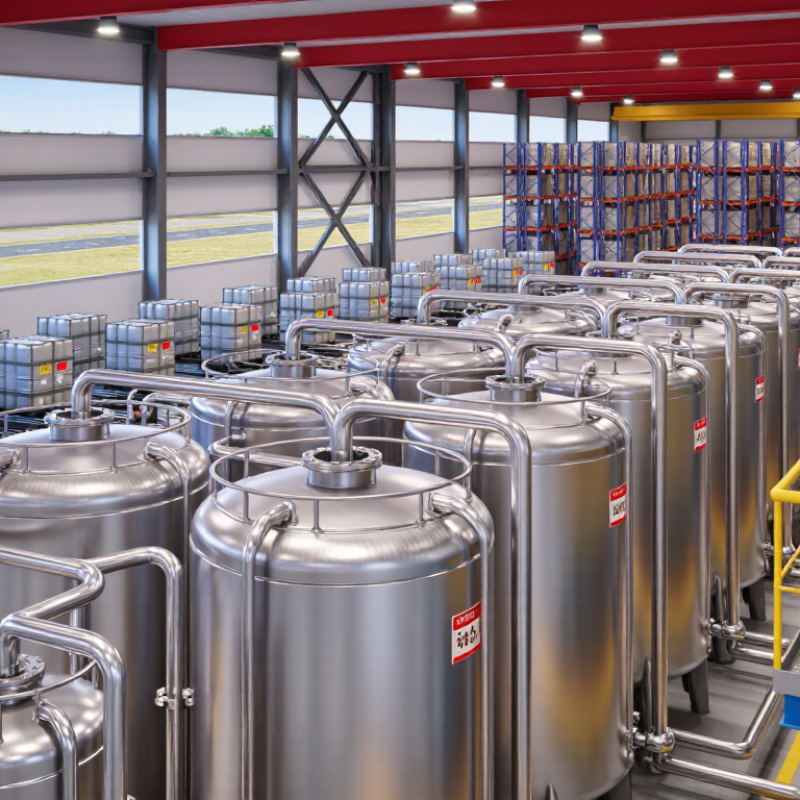
Concentrated nitric acid is a high-strength aqueous solution of nitric acid, commonly measured by weight percentage. Commercial material often contains about 68% nitric acid, close to the water–nitric acid azeotrope. Higher-strength grades can approach 98–99%. The European Commission’s 2017 Best Available Techniques Reference Document identifies concentration control as a major factor in nitric acid production, storage, and emissions management.
The number matters.
Classification is not based on concentration alone. Under the Globally Harmonized System, nitric acid may be classified as corrosive, oxidizing, or both, depending on its composition and test data. Safety Data Sheets should state the exact concentration, physical form, impurities, and applicable hazard categories. The United Nations Recommendations on the Transport of Dangerous Goods also separate nitric acid entries by concentration ranges. A buyer should never rely on the phrase “concentrated” without requesting current documentation.
In procurement practice, three descriptions are useful: industrial grade, reagent grade, and high-purity grade.
These labels are not perfectly standardized worldwide.
Reagent specifications may emphasize assay and trace metals, while industrial specifications may focus on strength, color, chlorides, and packaging compatibility. Data from the International Fertilizer Association shows nitric acid remains closely linked to ammonia-based fertilizer production, supporting continued industrial demand. Still, demand does not guarantee uniform quality.
I would verify titration results, recent batch records, container materials, and transport classification before comparing suppliers. An overlooked impurity can change performance.
Selecting a concentrated nitric acid supplier requires more than comparing prices. Buyers should verify concentration ranges, assay methods, impurity limits, and batch consistency. A clear certificate of analysis should identify the batch, test date, and laboratory method. Vague documents create avoidable uncertainty.
Supplier experience matters in practical ways. Ask how they manage corrosion-resistant packaging, storage conditions, labeling, and shipment documentation. Reliable suppliers provide current safety data sheets and suitable transport records. They should also explain lead times, minimum order quantities, and contingency plans during supply interruptions. Capacity must match your actual demand. A supplier promising everything may understand little.
Check traceability before signing a contract. Each container should connect to a production batch and inspection record. Independent quality audits can reveal weaknesses that sales calls hide. Communication speed is another useful measure. Can the supplier answer a technical question clearly? Can they report a damaged package without delay? These details often predict long-term performance.
No supplier is perfect. Even strong systems can miss a delivery window or issue a confusing document. What matters is honest correction, documented investigation, and preventive action. Cost still matters, but a low quotation may become expensive after delays, rejected batches, or disposal concerns. Choose evidence over polished claims.
2026 Best Concentrated Nitric Acid Suppliers for Buyers
In 2026, buyers should compare supplier types before comparing prices. Licensed chemical manufacturers often provide stable concentration, batch records, and technical support. Authorized industrial distributors can offer smaller volumes, regional stock, and consolidated shipping. Specialty laboratory suppliers may suit controlled research needs, but their packaging and pricing differ considerably. Every supplier should provide a current safety data sheet, certificate of analysis, and compliant transport documentation.
Regional purchasing options depend on end use, volume, and delivery controls. North American buyers often choose domestic manufacturers or certified distributors to reduce transit time. European purchasers may prefer suppliers with established hazardous-goods networks and clear regulatory documentation. In Asia-Pacific, local production hubs can support larger industrial orders, while port access affects delivery reliability. Buyers in Latin America, the Middle East, and Africa should confirm import permits, storage rules, and inland transport capacity before placing orders.
Details matter. Ask about concentration tolerance, container material, shelf-life guidance, and emergency support. A properly sealed container should arrive with intact labeling and visible batch identification. Do not rely on a marketplace listing alone. One practical mistake is treating “high purity” as a complete specification; it is not. Contaminant limits, delivery conditions, and handling responsibilities may still remain unclear. A written quotation should define all three.
| Regional Market | Leading Supplier Type | Common Commercial Grade | Typical Purchasing Route | Typical Packaging or Delivery Format | Key Compliance and Logistics Checks | Best Fit for Buyers |
|---|---|---|---|---|---|---|
| North America | Industrial chemical producers and authorized hazardous-chemical distributors | Approximately 67–70% nitric acid for industrial use; higher-strength fuming grades are available only through specialized channels | Direct industrial contract, regional distributor account, or approved import route | Small corrosion-resistant containers, drums, or bulk tanker delivery, subject to supplier approval and site capability | U.S. DOT or Canadian TDG classification, OSHA HazCom or WHMIS documentation, oxidizer and corrosive handling controls, compatible unloading equipment | Large-volume manufacturing, metal treatment, fertilizer-related processing, and established industrial sites |
| European Union and EEA | Regional chemical distributors, industrial producers, and specialty laboratory suppliers | Commercial concentrated grade is commonly around 68%; laboratory grades may be specified by assay and impurity limits | Local distributor, framework agreement, or cross-border supply within the European chemicals market | Approved small containers, drums, or bulk delivery using equipment compatible with strong oxidizing acid | REACH status, CLP labeling, Safety Data Sheet in the required language, ADR transport documentation, storage authorization, and site risk assessment | Buyers requiring documented regulatory traceability, multilingual paperwork, and dependable regional delivery |
| United Kingdom | Domestic industrial suppliers, specialty distributors, and laboratory reagent channels | Usually 65–70% for concentrated industrial or laboratory applications; exact assay should be confirmed before ordering | UK-based distributor account or approved import arrangement | Containerized delivery for small orders and dedicated hazardous-goods transport for larger orders | UK REACH, GB CLP, Carriage of Dangerous Goods requirements, site storage controls, and emergency-response information | UK laboratories, metal-processing operations, and manufacturers seeking domestic documentation and delivery support |
| China | Large-scale domestic chemical producers, regional distributors, and qualified export traders | Industrial concentrated nitric acid is commonly specified near 68%; technical specifications should include assay, color, chloride, sulfate, and metal limits where relevant | Direct factory purchase, regional chemical market, or export shipment through a licensed hazardous-goods forwarder | Approved plastic-lined or corrosion-resistant containers, drums, or dedicated bulk transport | Chinese hazardous-chemical registration and labeling, applicable GB/GHS requirements, dangerous-goods transport permits, and export customs documentation | High-volume industrial buyers and international purchasers able to manage hazardous export logistics |
| Japan and South Korea | Domestic industrial producers, electronics-chemical distributors, and high-purity reagent suppliers | Industrial grades around 68–70%; high-purity grades are purchased against tighter trace-metal and particle specifications | Qualified local distributor, approved direct account, or controlled import channel | Small containers for laboratories and controlled drums or bulk delivery for industrial facilities | Local chemical inventory and workplace-safety rules, GHS-compliant SDS, port and inland dangerous-goods requirements, and contamination-control procedures | Electronics, surface treatment, analytical laboratories, and buyers requiring tighter impurity control |
| India | Domestic industrial manufacturers, regional hazardous-chemical distributors, and authorized importers | Concentrated industrial grades are generally ordered near 68–70%, with laboratory grades specified by certificate of analysis | Direct industrial contract, local distributor, or licensed import arrangement | Approved small packs, drums, or tanker delivery depending on order volume and receiving-site approval | SDS and GHS labeling, hazardous-goods transport, importer or storage permissions where applicable, and compatibility of tanks, valves, and transfer lines | Industrial processors seeking local delivery, flexible order sizes, and regional technical support |
| Middle East | Regional chemical distributors, industrial producers, and importers serving port-based markets | Typically 65–70% concentrated nitric acid; availability of higher-strength grades depends on local licensing and transport controls | Local stockist, port-based importer, or direct industrial supply contract | Containerized import, drums, or bulk road tanker delivery after site and route approval | Import permits, GHS SDS and labels, IMDG or local road-transport rules, heat management, secure storage, and emergency response planning | Oilfield support, metal processing, industrial manufacturing, and buyers located near major ports or chemical hubs |
| Latin America | Domestic distributors, regional chemical producers, and licensed importers | Industrial concentrated grade commonly near 68%; specification and stock position vary by country and port access | Local distributor, national importer, or direct contract with a qualified industrial supplier | Small containers, drums, or bulk road delivery where licensed infrastructure is available | Country-specific hazardous-chemical permits, GHS labeling, port and inland transport rules, customs classification, and receiving-site authorization | Buyers prioritizing local inventory, reduced import lead time, and distributor-managed compliance |
| Laboratory and Small-Quantity Buyers Worldwide | Laboratory reagent suppliers and specialty chemical distributors | Reagent-grade concentrated nitric acid, commonly specified around 65–70%, with assay and impurity limits shown on the certificate of analysis | Approved institutional account or laboratory procurement platform | Small certified containers with tamper-evident packaging and dangerous-goods labeling | Institutional chemical-hygiene rules, local transport restrictions, segregated storage, secondary containment, and documented user training | Universities, analytical laboratories, research facilities, and quality-control departments |
A reliable supplier should provide consistent concentration, clear batch records, and a current certificate of analysis. Buyers should verify assay results, impurity limits, appearance, and traceability before accepting delivery. Concentrated nitric acid is strongly corrosive and oxidizing. Quality control cannot depend on a label alone. Ask for recent test data and a safety data sheet in the destination country’s language. Small details matter. A missing revision date may reveal weak document control.
Packaging must match the acid concentration, volume, and transport route. The supplier should use tested, compatible containers with secure closures and suitable protective packaging. Containers need visible labels, hazard information, batch numbers, and handling instructions.
Storage areas should be cool, dry, shaded, and well ventilated. Keep the material away from organic substances, reducing agents, combustible materials, and incompatible metals. Use corrosion-resistant shelving and inspect containers for staining, swelling, or damaged seals. Secondary containment adds protection, but it is not a substitute for proper packaging.
During transportation, buyers should confirm approved dangerous-goods packaging and trained carriers. Loads must remain upright, secured, and protected from heat, impact, and contamination. Delivery records should include quantity, batch identity, inspection status, and emergency contact details. I would also request photographs before dispatch, although photographs cannot replace physical inspection. Suppliers sometimes offer convenient packaging that is unsuitable for long-distance movement. A careful buyer checks the full chain, from production records to warehouse conditions and final receipt.
For 2026 buyers, concentrated nitric acid supplier checks should begin with safety records, not attractive quotations. The NIOSH Pocket Guide lists a 2 ppm exposure limit and a 25 ppm IDLH value for nitric acid. ECHA classification data also identifies severe corrosivity and oxidizing hazards at applicable concentrations. Ask for a current SDS, concentration range, impurity profile, and batch-specific certificate of analysis. Check whether drums, tanks, and valves are compatible with strong oxidizing acids. Small details matter. A stained label is not a minor issue.
Compliance verification should cover manufacturing permits, transport documentation, emergency procedures, and traceability from production to delivery. Request recent audit evidence, insurance confirmation, and documented recall procedures. For international shipments, compare the supplier’s UN classification, packaging instructions, and destination-country requirements. Pricing deserves equal discipline. ICIS chemical market assessments distinguish regional contract and spot pricing, so one global quote can mislead buyers. Compare delivered cost, minimum order quantity, payment terms, freight surcharges, and storage fees. Keep the quotation date visible.
A practical buyer file should include three recent COAs, SDS revision history, sample approval records, and named technical contacts. Verify the legal entity independently through registration databases and bank information. Do not rely on a polished website. I would also request a small, controlled trial order before committing to annual volume. That approach may slow purchasing. It can expose inconsistent concentration, weak packaging, or poor response times early. Some suppliers may resist detailed questions; that resistance itself deserves review.
Reference density values at approximately 20°C are shown for commonly traded nitric acid concentrations. Density generally increases with concentration, while concentrated nitric acid is a highly corrosive oxidizer regulated for storage, handling, and transport. Buyers should verify the supplier’s current SDS, certificate of analysis, concentration tolerance, packaging compliance, UN transport classification, and applicable REACH or CLP documentation before purchase.
Licensed manufacturers usually provide stable concentration, batch records, and technical support. Authorized distributors may offer smaller volumes and regional stock. Specialty laboratory suppliers serve controlled research needs. Compare documentation, packaging, delivery controls, and support—not price alone.
Request a current safety data sheet and batch-specific certificate of analysis. The file should include concentration, impurity limits, batch identity, and revision dates. Transport documents must match the destination country. Missing dates suggest weak document control.
Check assay results, appearance, impurity limits, and traceability records. Ask for recent test data before delivery. Inspect labels, seals, and batch numbers when the container arrives. A high-purity claim is incomplete without contaminant limits.
Packaging must suit the concentration, volume, and transport route. Containers need secure closures and compatible materials. Labels should show hazards, batch numbers, and handling instructions. Convenient packaging may fail during long-distance movement.
Use a cool, dry, shaded, and well-ventilated storage area. Keep it away from organic substances, reducing agents, combustible materials, and incompatible metals. Use corrosion-resistant shelving and secondary containment. Inspect for swelling, stains, or damaged seals. Small details matter.
Confirm approved dangerous-goods packaging and trained carriers. Containers should remain upright, secured, and protected from heat and impact. Delivery records should include quantity, batch identity, and emergency contacts. Photographs before dispatch can help, but they cannot replace inspection.
North American buyers often prefer domestic supply or certified regional distribution. European buyers may prioritize established hazardous-goods networks. Asia-Pacific industrial orders can benefit from local production hubs and port access. Other regions should confirm import permits, storage rules, and inland transport capacity.
Compare delivered cost, minimum order quantity, payment terms, freight surcharges, and storage fees. Regional contract and spot prices may differ significantly. Keep the quotation date visible. A cheaper quote can hide weak packaging or extra transport costs.
Verify the supplier’s legal entity through independent registration records. Request three recent certificates, SDS revision history, and sample approval records. Consider a small, controlled trial order first. It may slow purchasing. That delay can reveal inconsistent concentration, poor packaging, or slow support.
This guide explains what Concentrated Nitric Acid is, how it is commonly classified by concentration, grade, and intended industrial use, and what buyers should evaluate when selecting a reliable supplier in 2026. Key considerations include product consistency, documented specifications, manufacturing quality systems, technical support, regional availability, and the supplier’s ability to provide accurate certificates of analysis and traceability.
It also reviews purchasing options across different supplier types and regions, together with essential requirements for compatible packaging, secure storage, and compliant transportation. Buyers should assess pricing based on concentration, grade, order volume, packaging, and logistics rather than cost alone. Before placing an order, they should verify business credentials, regulatory documentation, hazard communication, insurance, delivery capabilities, and emergency procedures. Safe handling, staff training, environmental responsibility, and full compliance with applicable laws should remain central to every purchasing decision.

Nitro Fertilizer